Get Your Free Quote…!
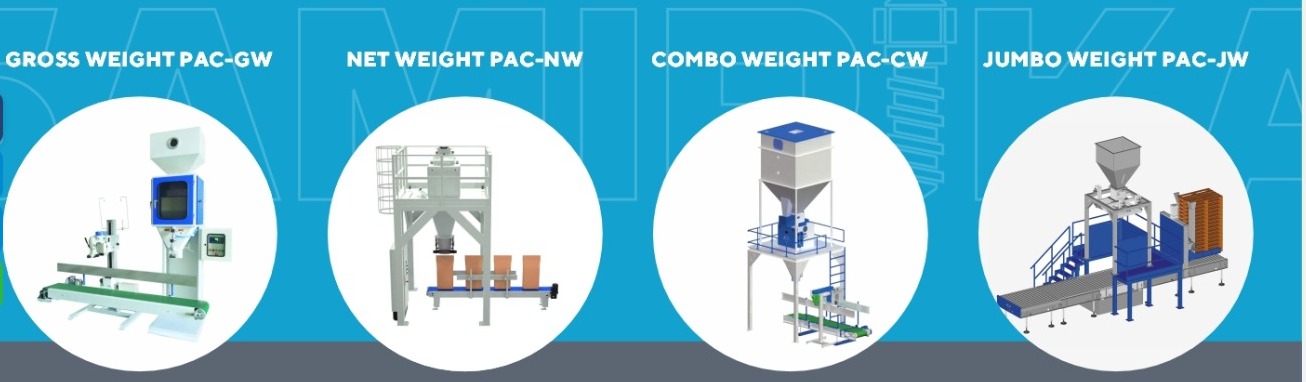
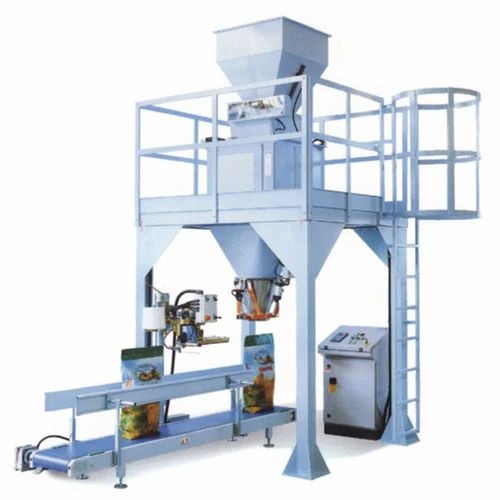
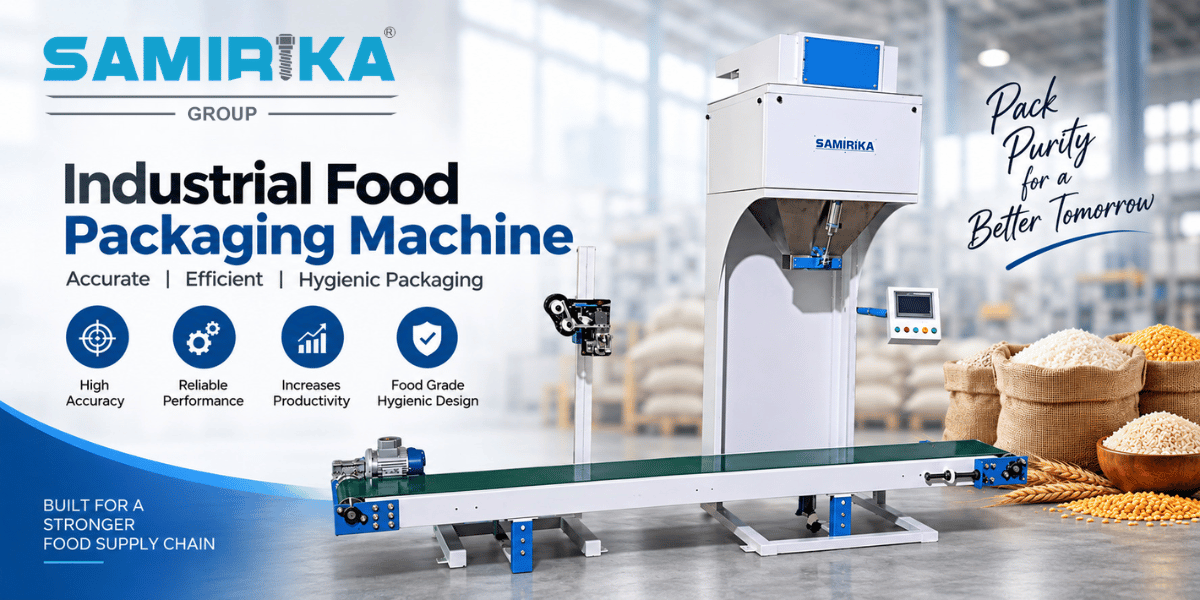
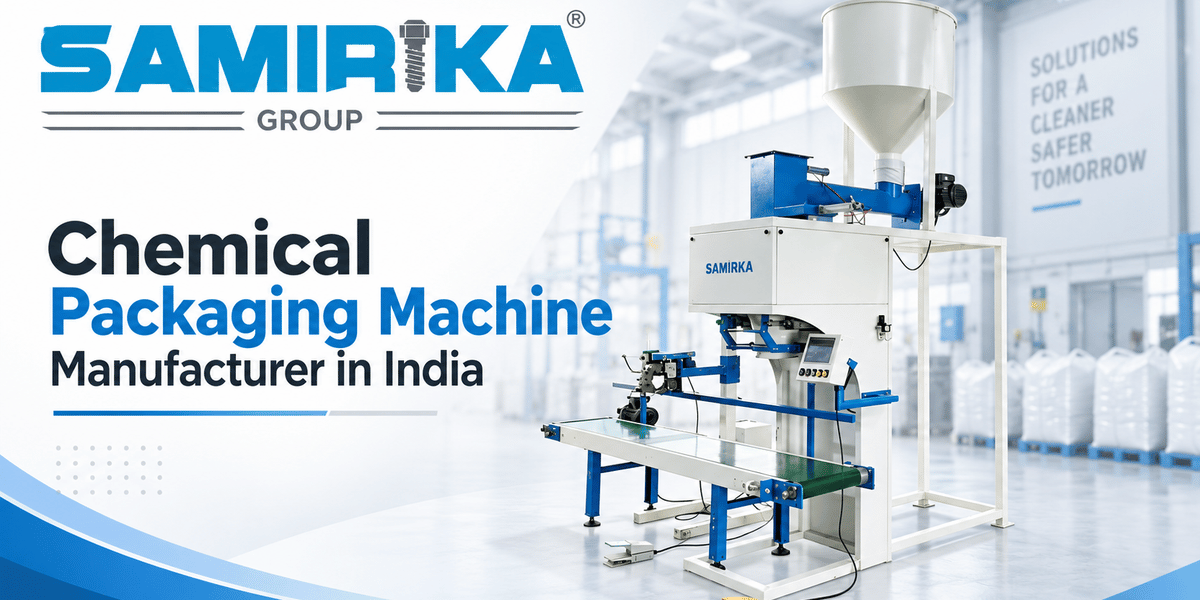
A packing machine, also known as a packaging machine, is a device used to automate the process of packaging products or materials into containers, bags, boxes, or other forms of packaging. These machines are commonly used in various industries, including food and beverage, pharmaceuticals, cosmetics, electronics, and more. Let's explore the description and advantages of packing machines:
Description of Packing Machine:
Packing machines come in various types and configurations, each designed to handle specific packaging tasks. Some common types of packing machines include:
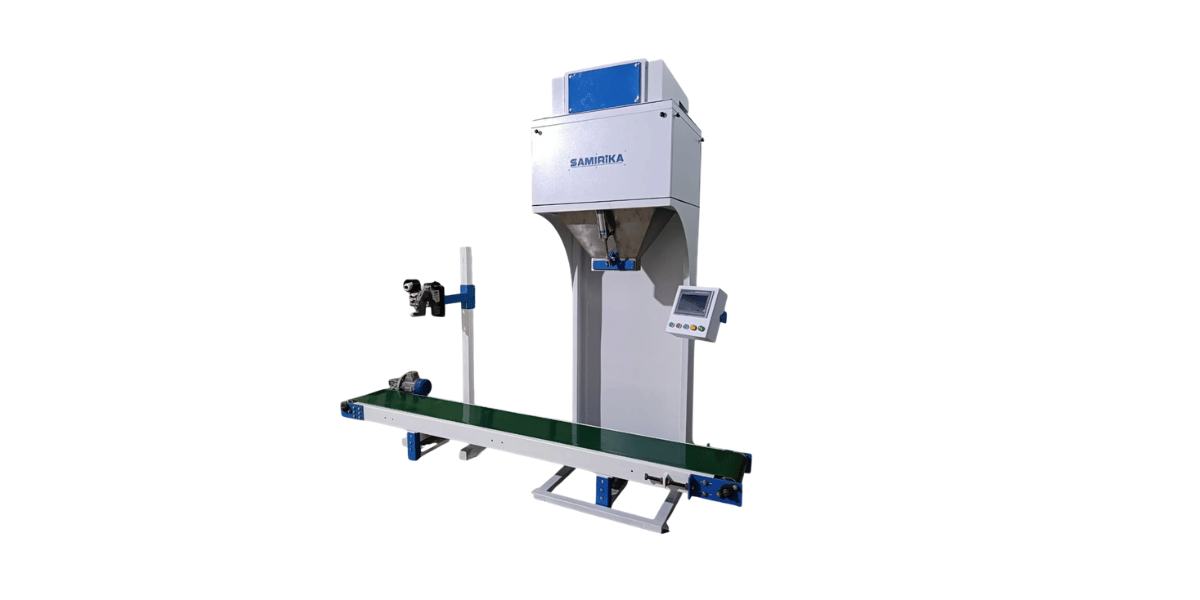
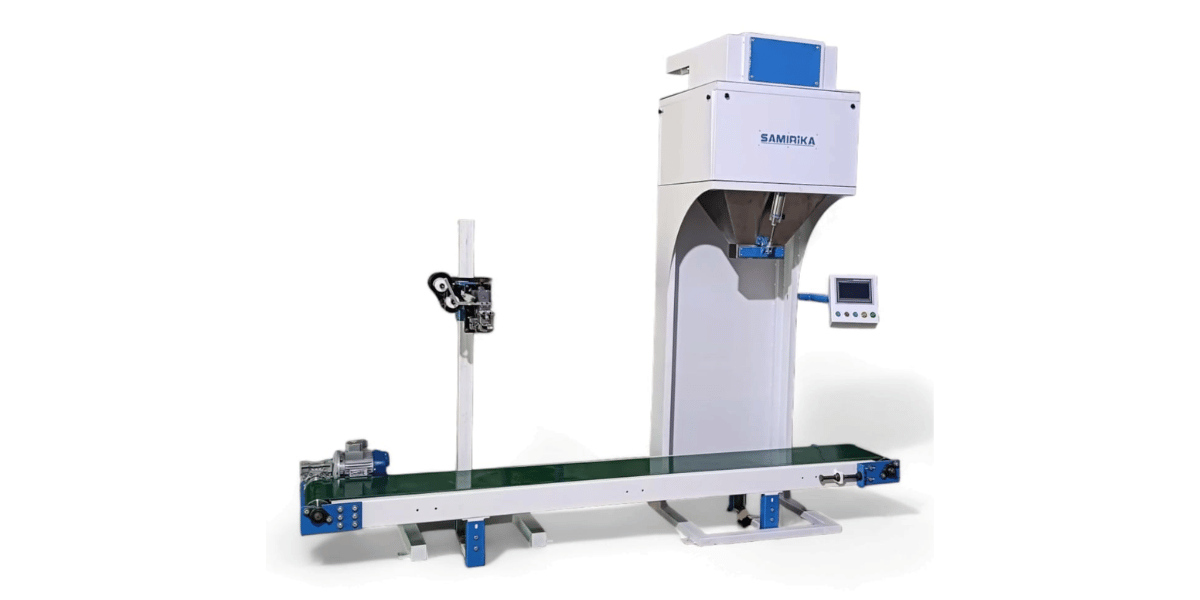
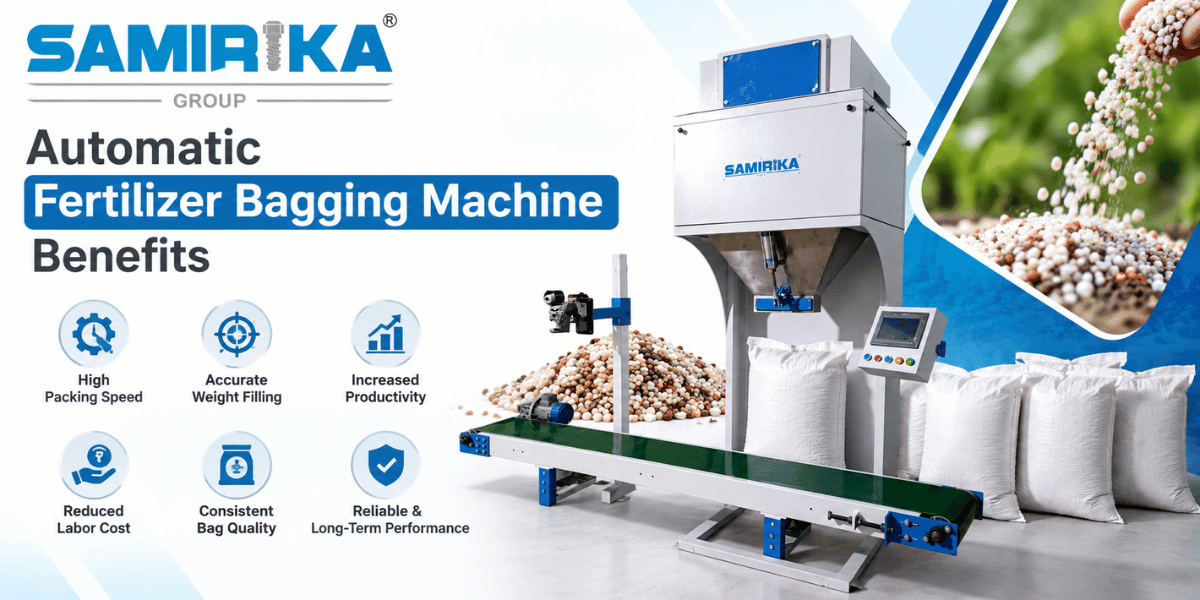
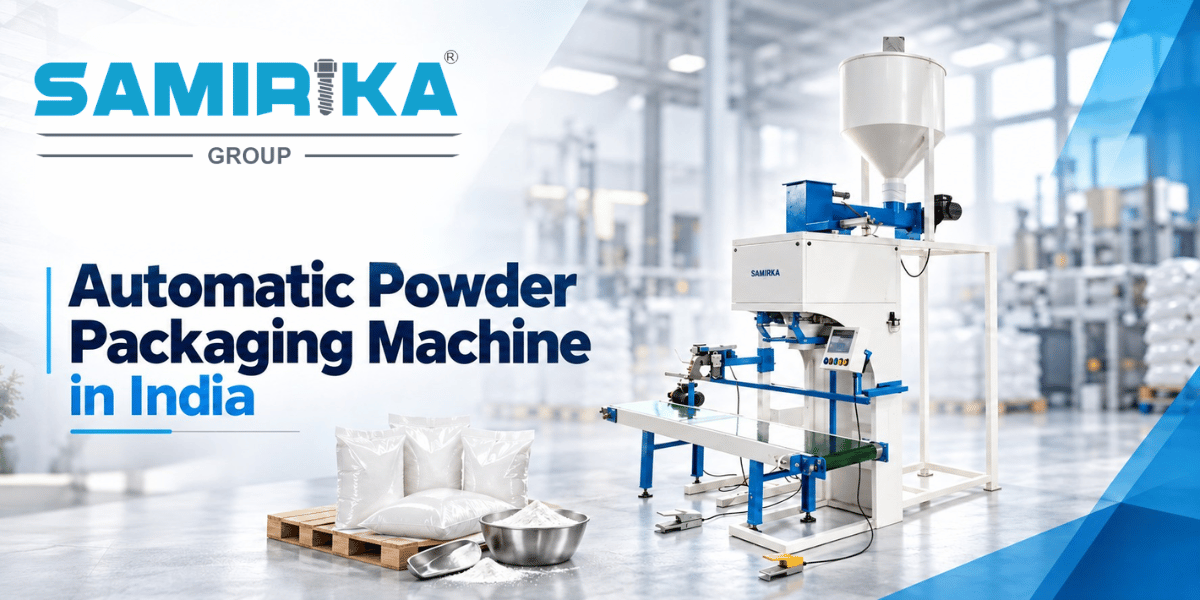
1. Filling Machines: These machines are used to accurately fill products, liquids, powders, or granules, into containers such as bottles, jars, or pouches.
2. Sealing Machines: Sealing machines are used to create a secure seal on packaging, ensuring the contents are protected from external elements like moisture, air, or contaminants.
3. Wrapping Machines: Wrapping machines are used to wrap products or packages in protective films or foils, providing a layer of protection and enhancing the visual appeal.
4. Labeling Machines: Labeling machines apply labels with product information, barcodes, or branding onto the packaging, enabling easy identification and tracking.
5. Cartoning Machines: Cartoning machines automate the process of forming cartons or boxes and filling them with products, streamlining the packaging process for mass production.
Advantages of Packing Machines:
1. Efficiency: Packing machines significantly improve the packaging process's efficiency, reducing the time and labor required for manual packaging. They can handle high volumes of products, leading to increased productivity.
2. Accuracy: These machines offer precise and consistent packaging, ensuring that each unit is uniformly packaged, reducing the risk of errors and product waste.
3. Cost-Effectiveness: Although there is an initial investment in acquiring packing machines, they can lead to cost savings in the long run by reducing labor costs and minimizing packaging material waste.
4. Hygiene and Safety: Packing machines help maintain hygiene standards by minimizing human contact with the products during the packaging process, making them particularly valuable in industries like food and pharmaceuticals.
5. Versatility: Many packing machines can be easily adjusted or reconfigured to handle different product sizes and types of packaging, providing flexibility to meet various packaging requirements.
6. Product Protection: Packing machines ensure that products are adequately sealed and protected during packaging, preventing contamination, spoilage, or damage during storage and transportation.
7. Consistency and Branding: With automated packaging, the appearance of the products remains consistent, reinforcing brand identity and aesthetics for consumer goods.
8. Regulatory Compliance: In industries with strict regulations, packing machines can help meet packaging standards and compliance requirements, ensuring that products are packaged correctly and in accordance with regulations.
In summary, packing machines offer various advantages, including improved efficiency, accuracy, cost-effectiveness, and product protection. They are essential tools in modern industries, enabling streamlined packaging processes, ensuring product quality, and enhancing overall productivity.
Filter Using Product Tags