Get Your Free Quote…!

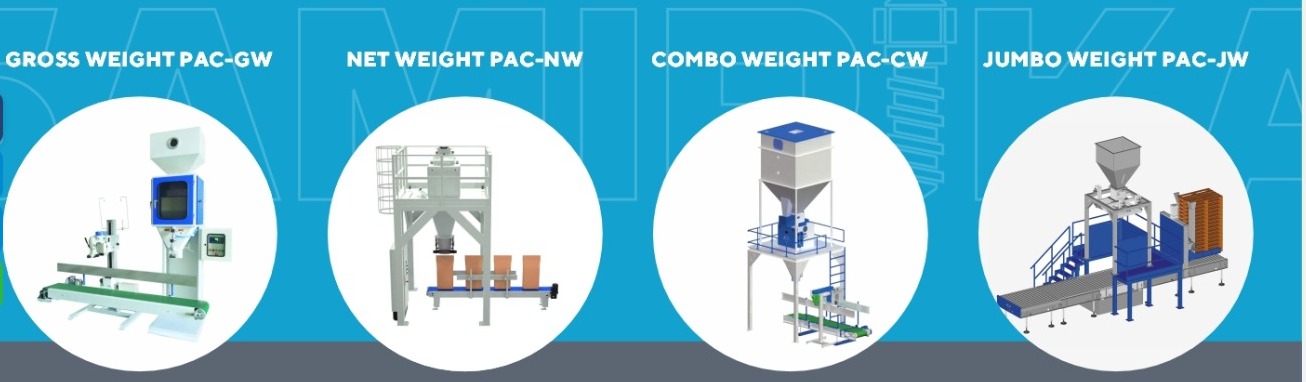
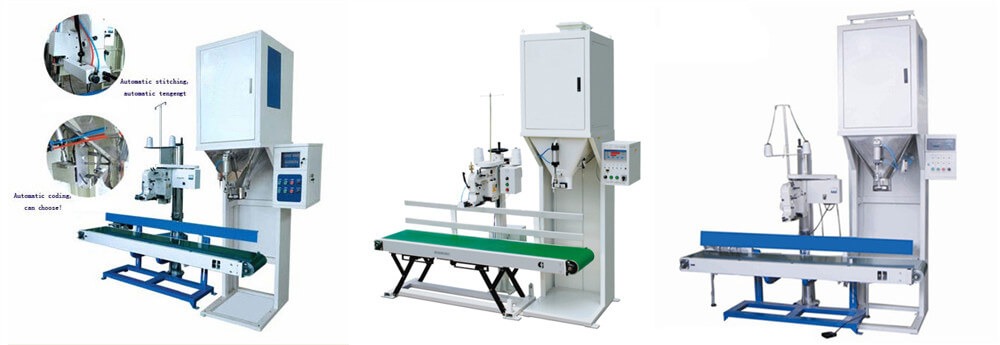
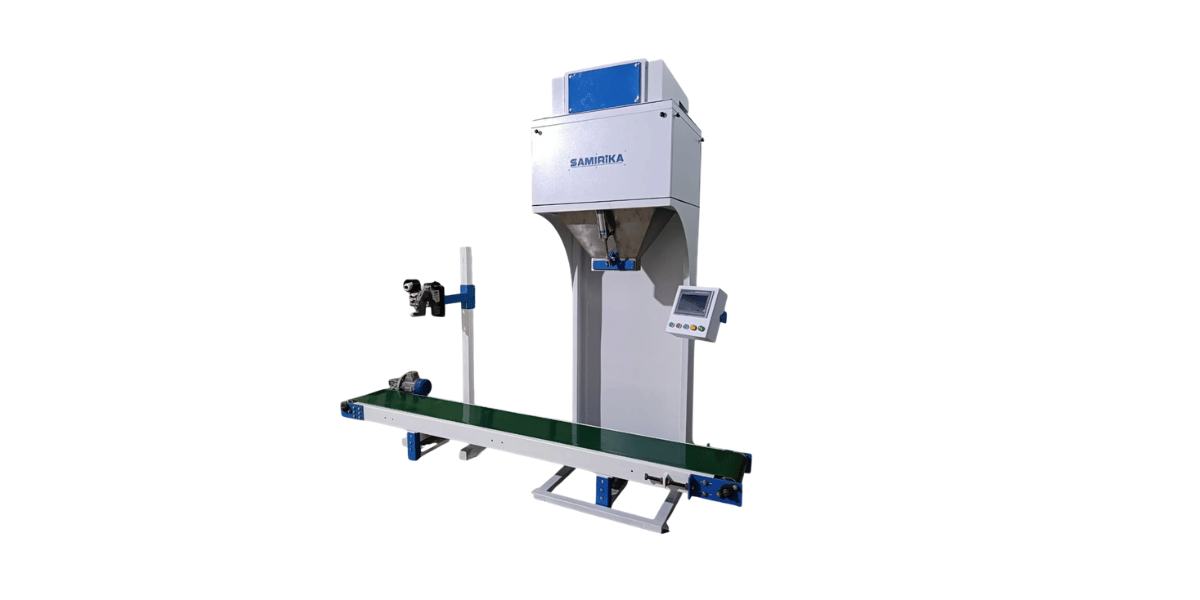
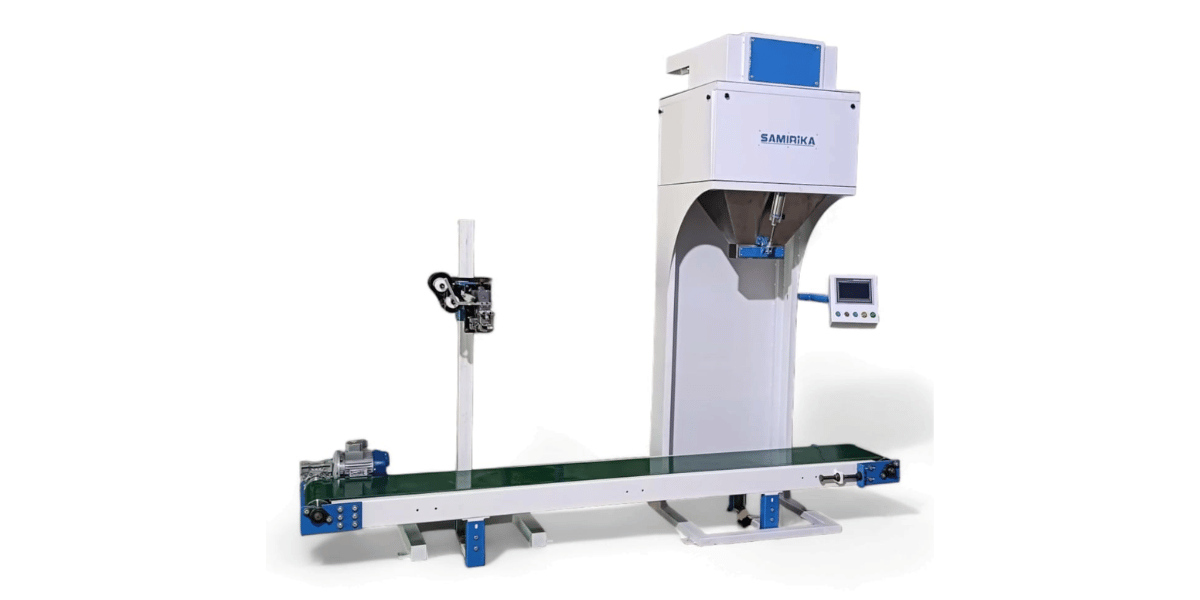
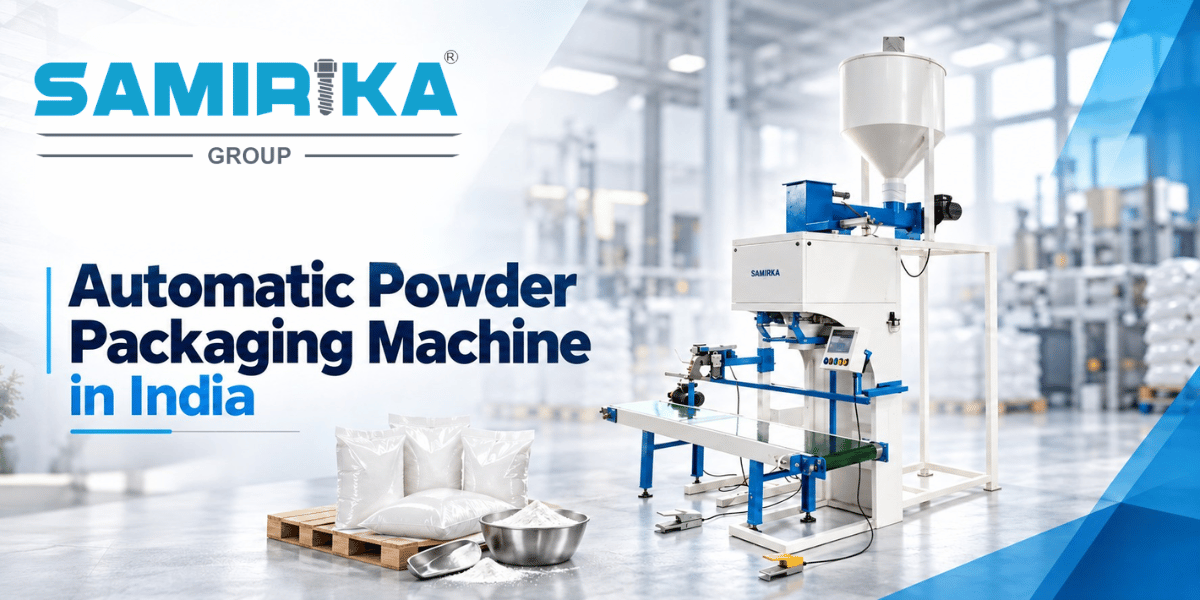
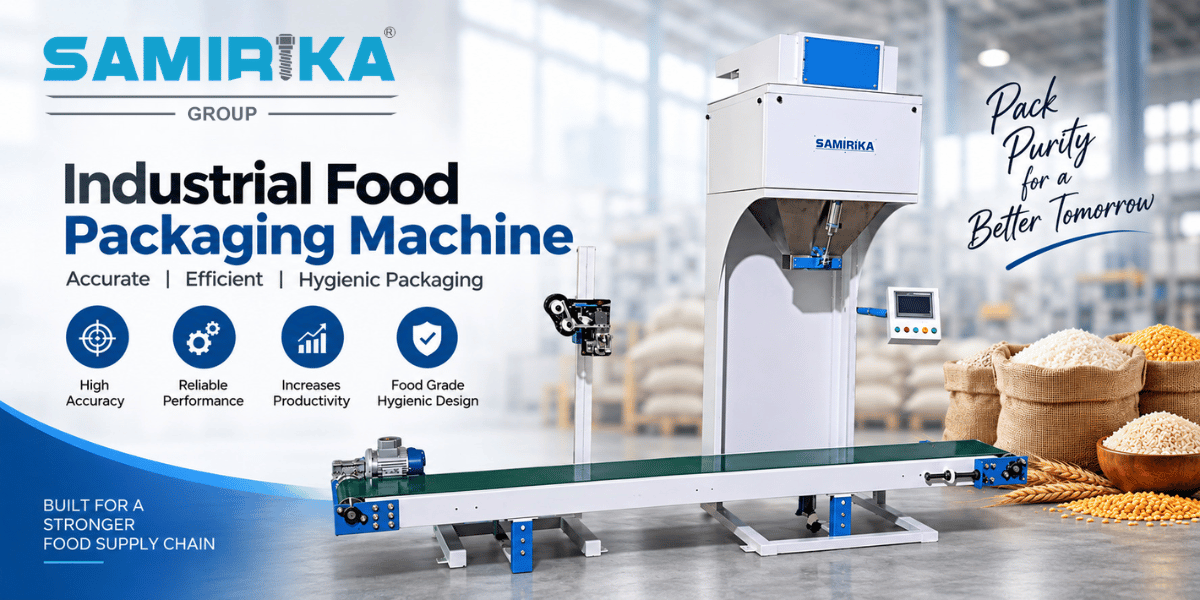
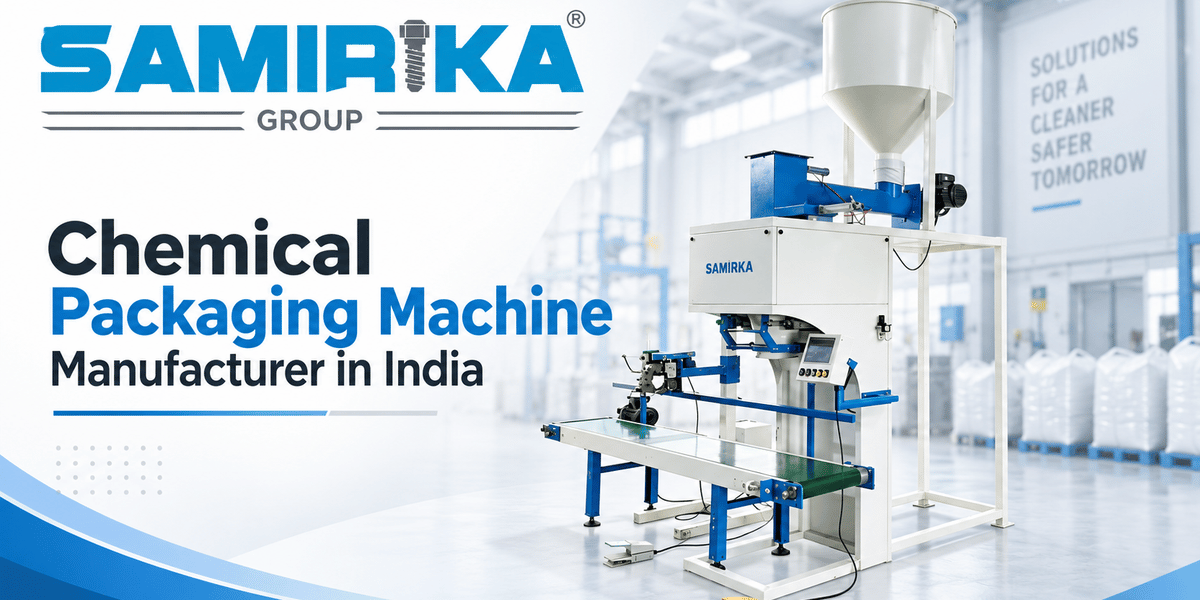
A gross weigh bagging machine is a type of packaging machine that uses a gross weighing mechanism to accurately measure and fill bags with a predetermined weight of material. Here is a description of the machine and its benefits:
Description:
A gross weigh bagging machine typically consists of the following components:
1. Weighing System: The machine is equipped with a weighing scale or load cells that measure the total weight of the bag and its contents. This can be achieved by suspending the bag on a weighing platform or using a conveyor belt weighing system.
2. Bag Placing and Filling: The bagging machine positions the bag under the filling spout or nozzle. The material is then discharged into the bag until the desired weight is reached. The filling mechanism can be adjusted to control the flow rate and ensure precise filling.
3. Bag Sealing: After the bag is filled, it is sealed using various methods such as heat sealing, sewing, or adhesive sealing. This ensures the bag is securely closed, maintaining the integrity of the packaged material.
4. Control System and HMI: Gross weigh bagging machines are equipped with a control system and a Human-Machine Interface (HMI) that allows operators to monitor and control the bagging process. It provides options for setting the desired weight, adjusting filling parameters, and managing production data.
Benefits:
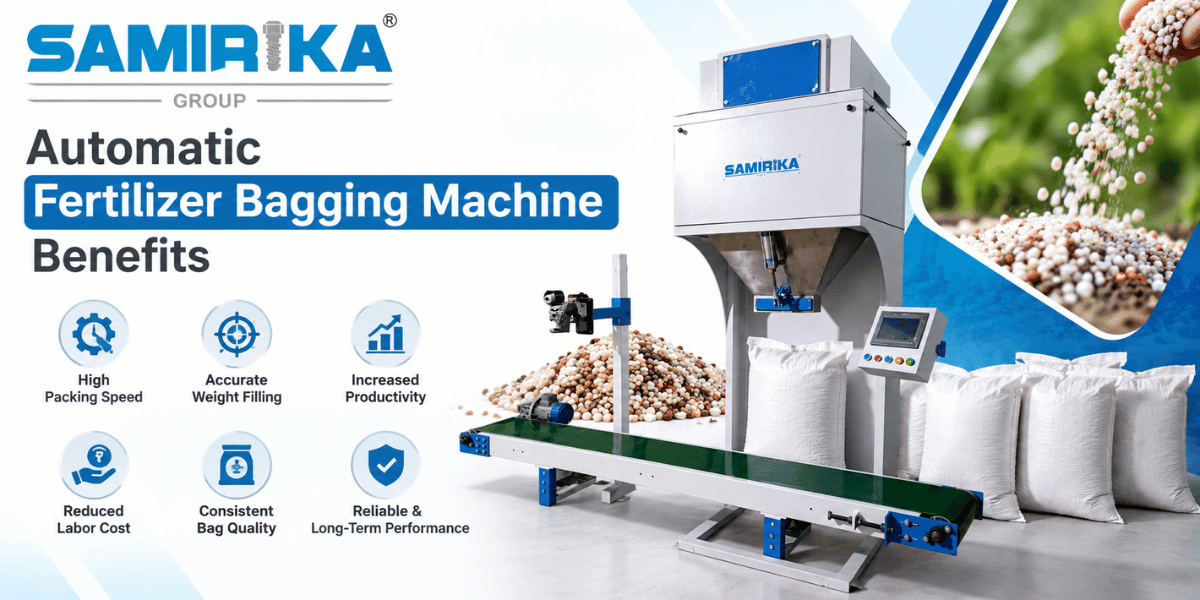
Gross weigh bagging machines offer several benefits for bagging operations:
1. Accurate Weighing: The gross weigh mechanism measures the total weight of the bag and its contents. This ensures precise filling, minimizing variations in bag weight and optimizing material usage. It helps maintain consistency and accuracy in bagged product weights, meeting quality standards and customer expectations.
2. Versatility: Gross weigh bagging machines can handle a wide range of materials, including polymers, granules, powders, or other free-flowing products. They can be adjusted to accommodate different bag sizes and types, providing flexibility for various packaging requirements.
3. High Speed and Efficiency: These bagging machines are designed for high-speed operations, allowing for rapid bag filling and sealing. This improves production efficiency, reduces processing time, and increases overall output rates.
4. Cost Savings: The accurate weighing mechanism of gross weigh bagging machines reduces material waste by ensuring each bag is filled with the intended weight. This optimization helps minimize costs associated with overfilling or underfilling bags, resulting in cost savings over time.
5. Flexibility in Bag Sizes: Gross weigh bagging machines can handle a range of bag sizes, from small pouches to larger bags. This versatility makes them suitable for packaging polymer materials in various quantities, accommodating different market demands.
6. Customization and Integration: These machines can be customized to meet specific bagging requirements, such as integrating with existing conveyor systems, palletizers, or labeling machines. Customization options ensure seamless integration into the overall packaging line, improving workflow and productivity.
7. Traceability and Quality Control: Many gross weigh bagging machines feature data logging capabilities, allowing for batch tracking, recording bagging parameters, and ensuring traceability. This facilitates quality control measures, regulatory compliance, and product traceability.
8. Safety and Ergonomics: The automation of bag placement, weighing, and filling in gross weigh bagging machines reduces manual handling and promotes operator safety. It minimizes the risk of injuries associated with heavy lifting and repetitive motions, enhancing workplace ergonomics.
In summary, gross weigh bagging machines offer accurate weighing, versatility, high-speed operations, cost savings, and customization options. They improve efficiency, reduce material waste, ensure product consistency, and enhance worker safety. These benefits make them valuable assets in polymer bagging operations.
Filter Using Product Tags