Get Your Free Quote…!

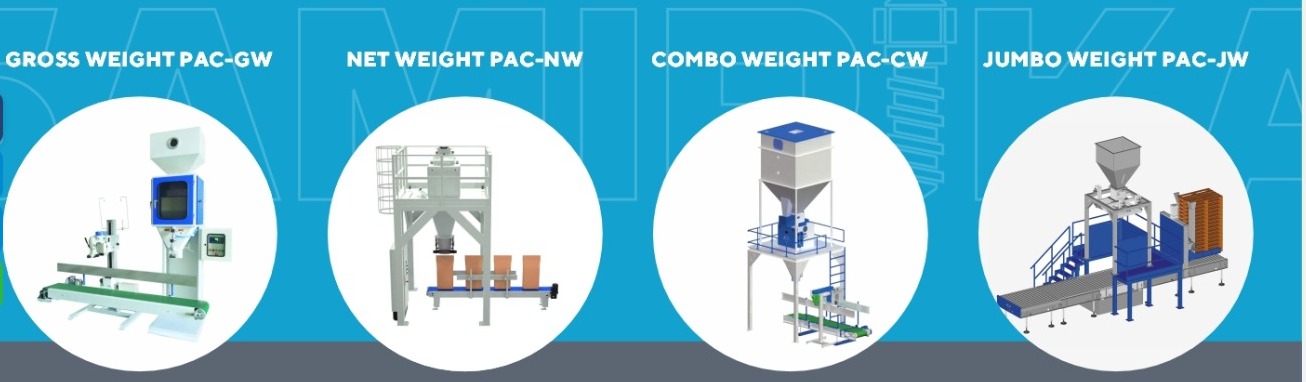

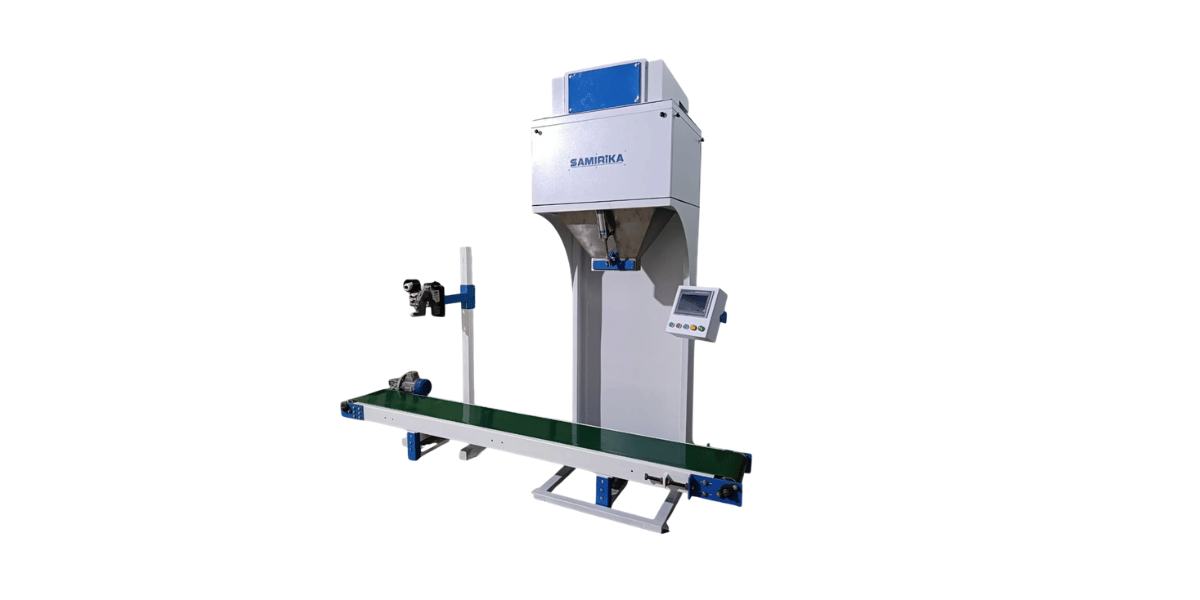
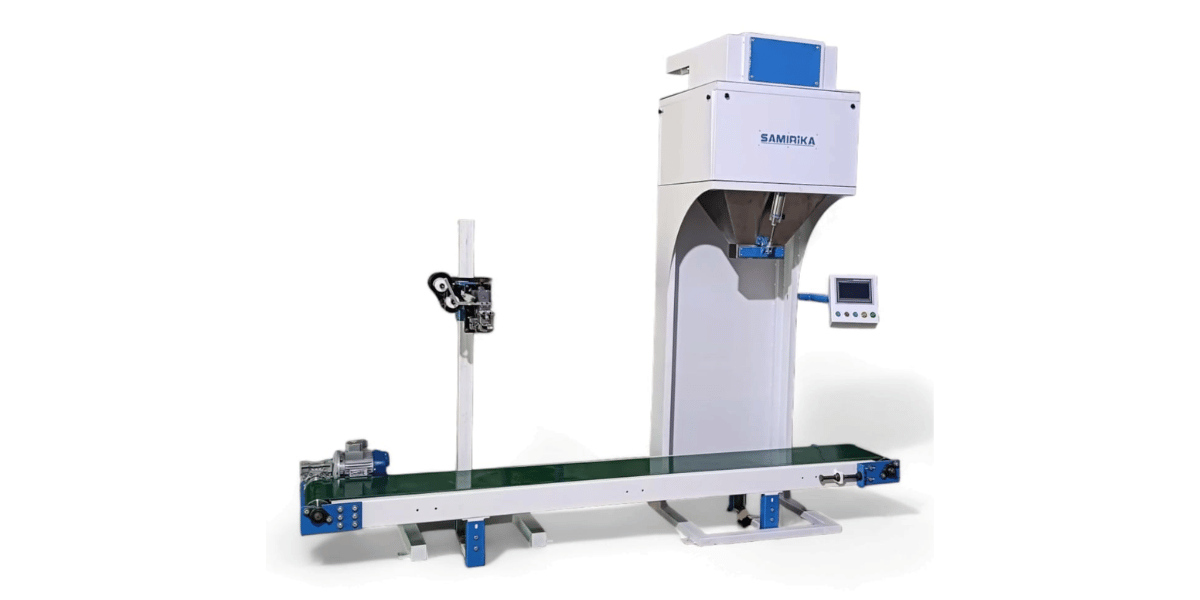
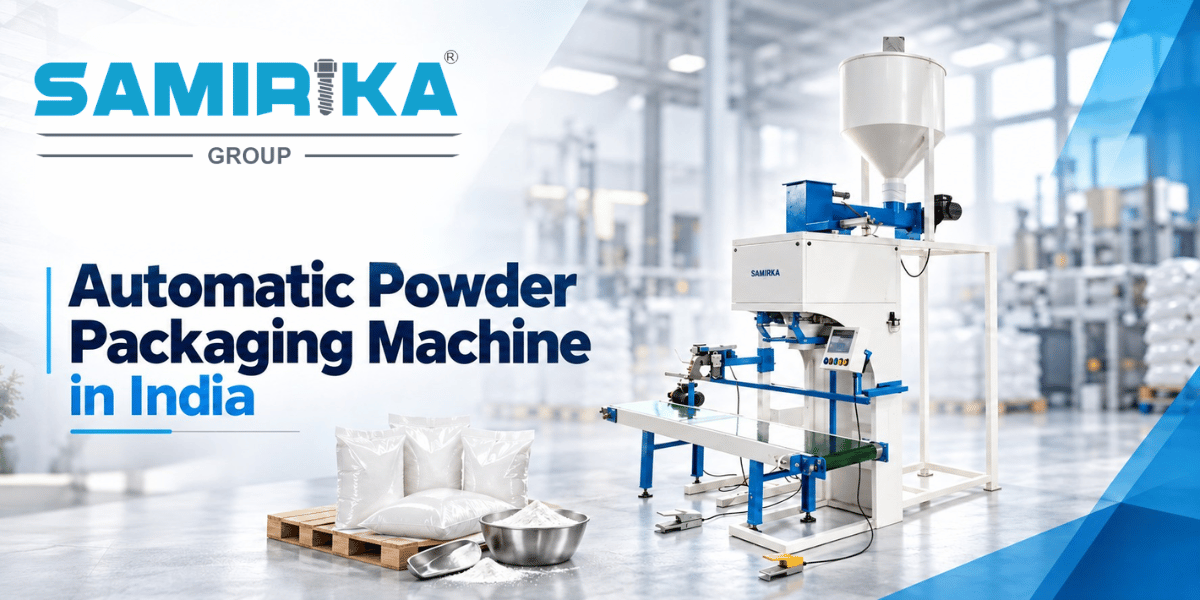
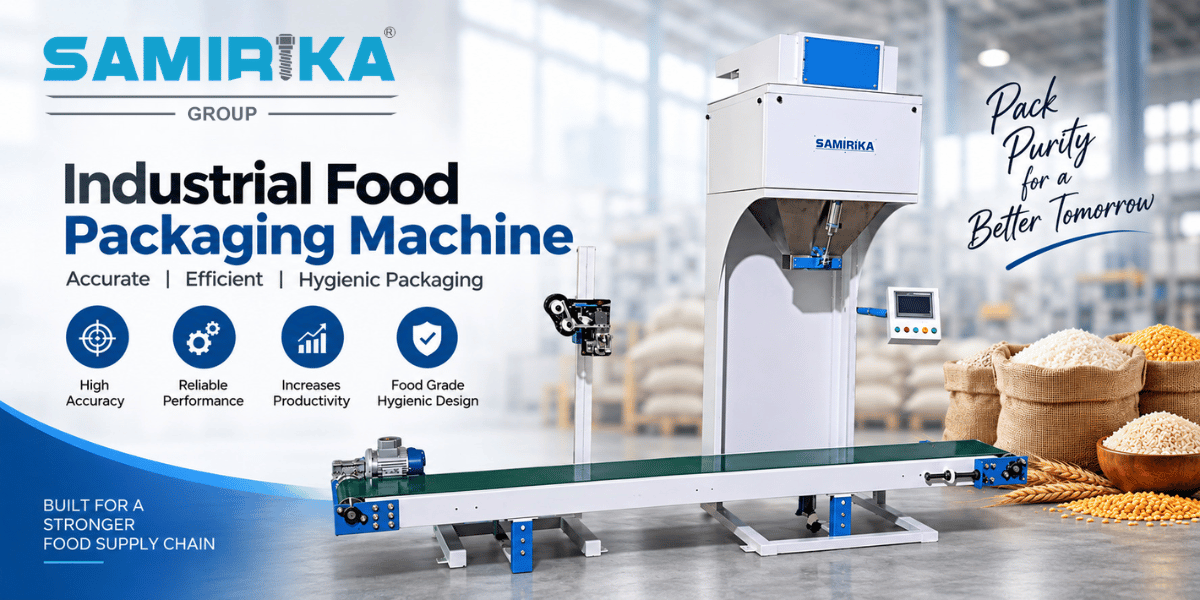
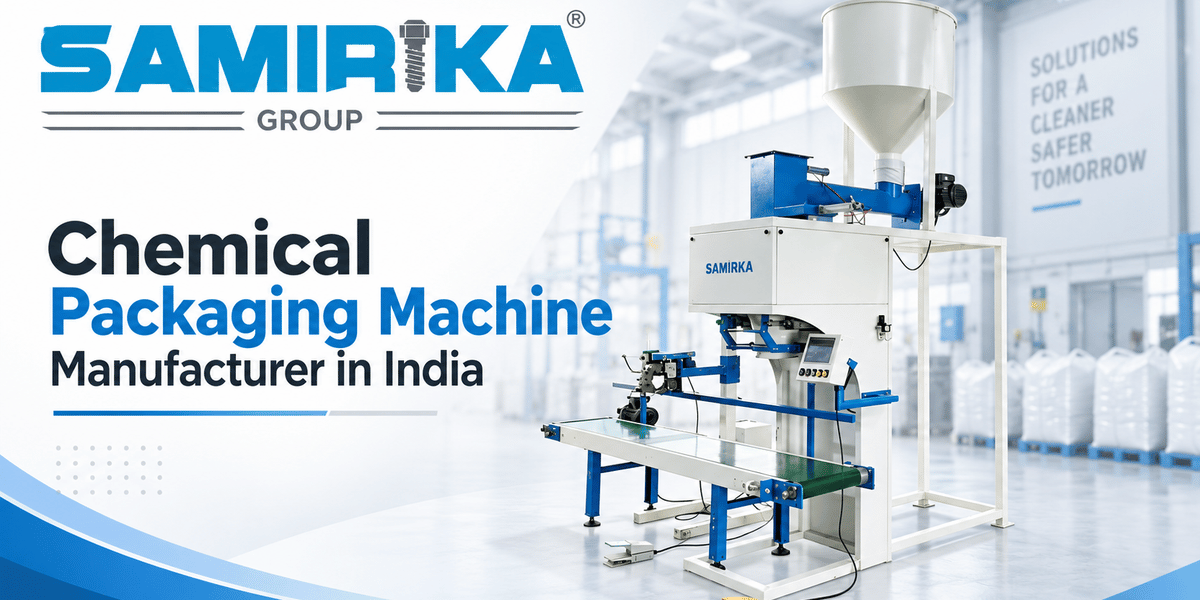
A bagging system for 25 kg bags is specifically designed to efficiently and accurately package products in bags weighing approximately 25 kilograms. It typically includes various machines and components that work together to handle the bagging process. Here are the key components commonly found in a bagging system for 25 kg bags:
1. Bag Feeding System: This system automatically supplies empty bags to the packaging line, ensuring a continuous flow of bags for filling. It may include a bag magazine or a bag stack feeder to provide a steady supply of bags.
2. Bag Opening and Holding: Machines in this stage open and hold the bags in place, preparing them for filling. They can employ mechanisms such as vacuum suction or mechanical arms to reliably open and hold the bags during the filling process.
3. Weighing and Filling Station: This station is responsible for accurately measuring and filling the 25 kg bags with the desired product. It can include weighing scales or load cells to ensure precise filling of each bag.
4. Bag Sealing and Closure: After the bags are filled, sealing and closure machines are employed to securely close the bags. This can involve methods such as heat sealing, sewing, or adhesive sealing, depending on the bag type and requirements.
5. Bag Conveying System: Conveyor belts or systems transport the filled and sealed 25 kg bags from one station to another within the packaging line. They ensure smooth movement and efficient transfer of bags between different stages.
6. Quality Control and Inspection: Bagging systems for 25 kg bags often incorporate inspection mechanisms to check for proper filling, sealing, and bag integrity. This helps identify any issues or defects, ensuring the quality of the packaged products.
7. Labeling and Coding: Machines in this stage apply labels or codes onto the bags, providing important information such as product details, batch numbers, or barcodes. This facilitates traceability, inventory management, and product identification.
8. Palletizing and Packaging: In some bagging systems, palletizers are integrated to stack and arrange the filled bags onto pallets for easy handling and transportation. Packaging machines may also be included to bundle or wrap multiple bags together, providing added protection during transit.
9. Control System and Automation: Bagging systems are controlled by a central control system that manages the operations, monitors production parameters, and coordinates the different machines and components. Automation features ensure efficient and synchronized functioning of the system.
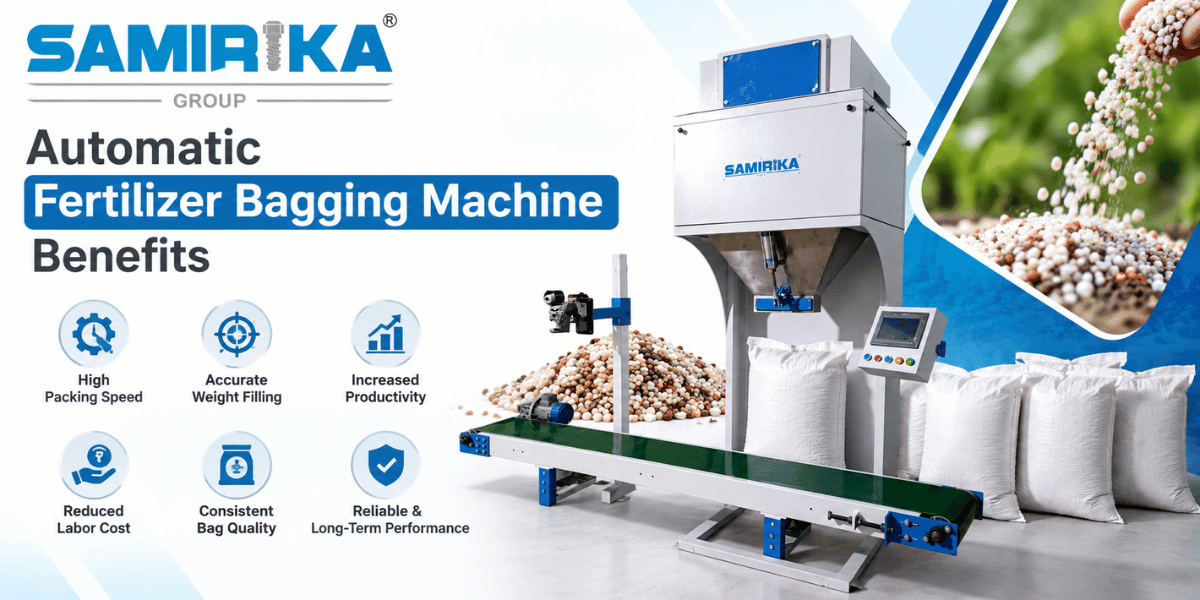
The benefits of a bagging system for 25 kg bags include increased efficiency, accurate filling, improved product quality, reduced labor requirements, optimized material usage, and streamlined packaging processes. These systems enhance productivity, reduce costs, ensure consistency, and facilitate compliance with packaging standards and regulations for 25 kg bags.
Filter Using Product Tags