Get Your Free Quote…!

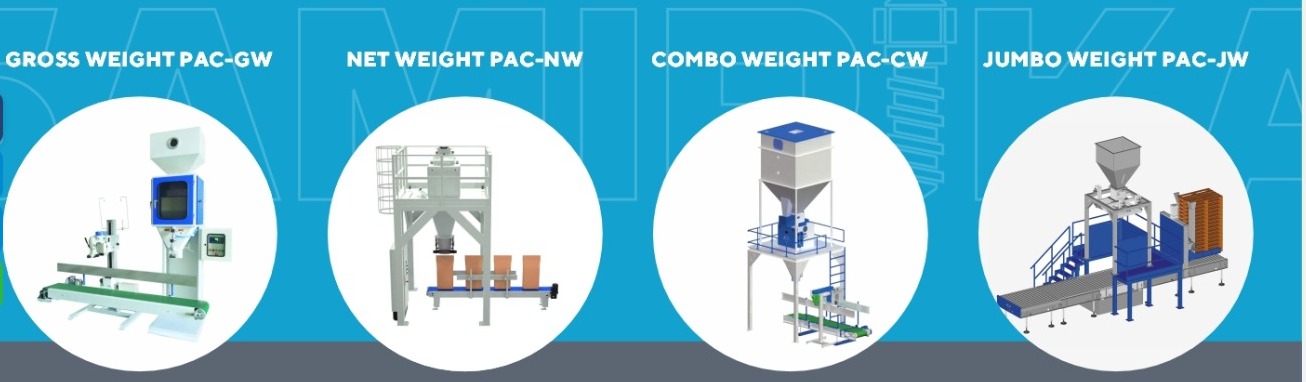

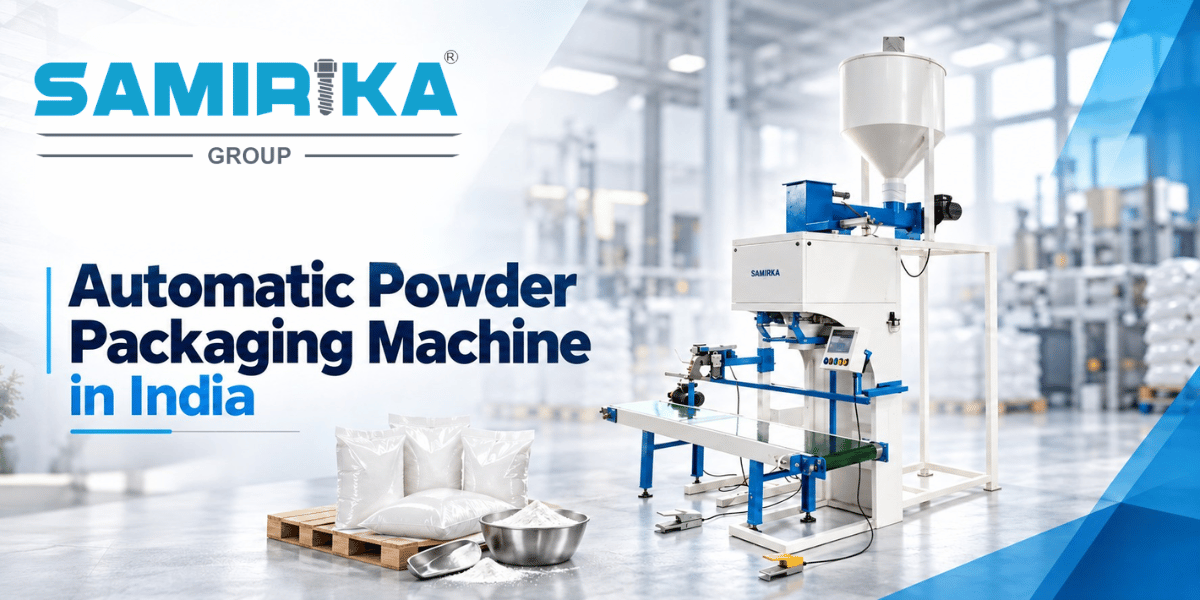
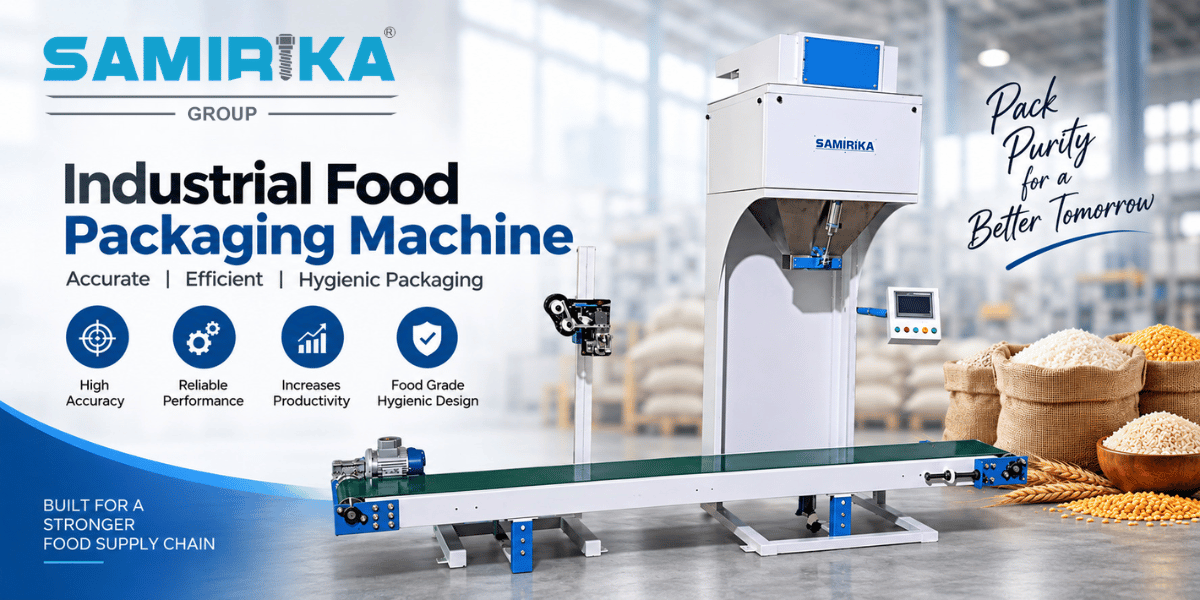
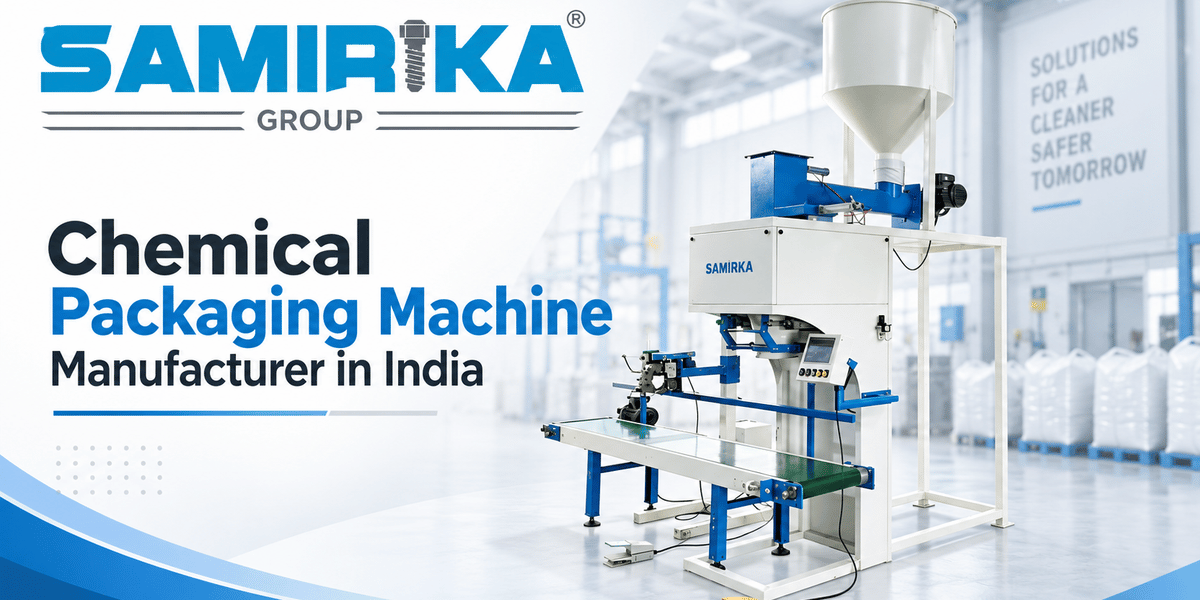
A bagging and weighing machine is a device used for packaging bulk materials into bags of specific weights. It automates the process of measuring, filling, and sealing bags, increasing efficiency and accuracy in various industries.
Uses:
- Commonly used in industries such as agriculture, food, chemicals, and construction to package products like grains, flour, cement, fertilizer, etc.
- Ideal for streamlining packaging processes and reducing manual labor.
Benefits:
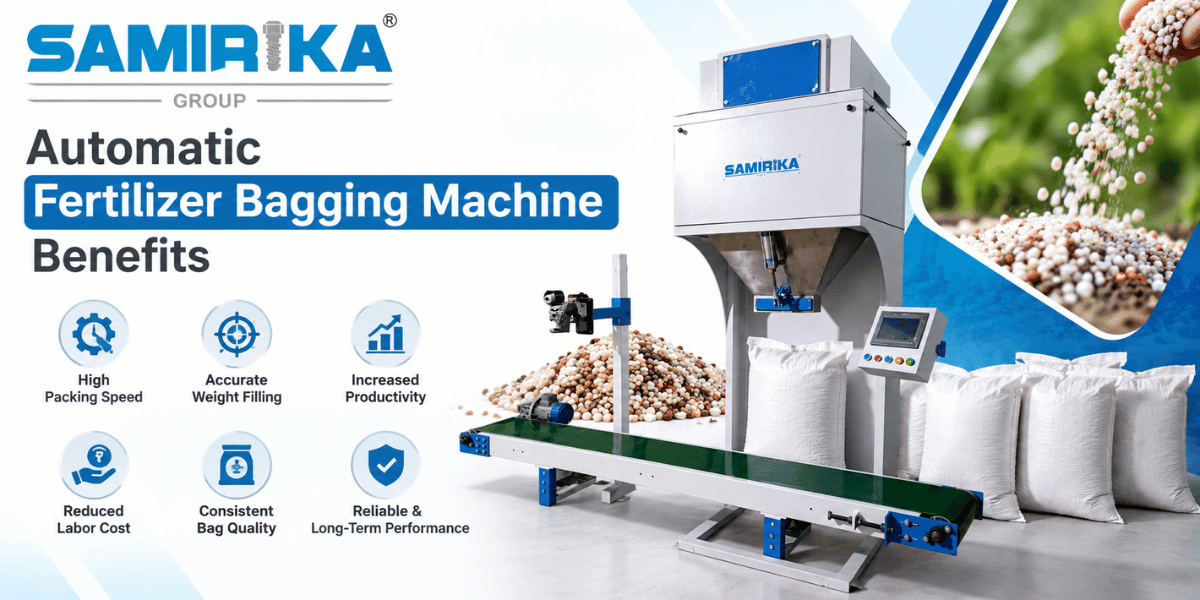
- Improved efficiency: Automates weighing and bagging, leading to faster production.
- Accuracy: Ensures precise measurement and consistent bag weights, reducing product giveaway.
- Labor savings: Reduces the need for manual bagging, minimizing labor costs.
- Reduced errors: Minimizes human error in the weighing and packaging process.
- Cost-effective: Increases productivity while maintaining quality, resulting in cost savings over time.
Features:
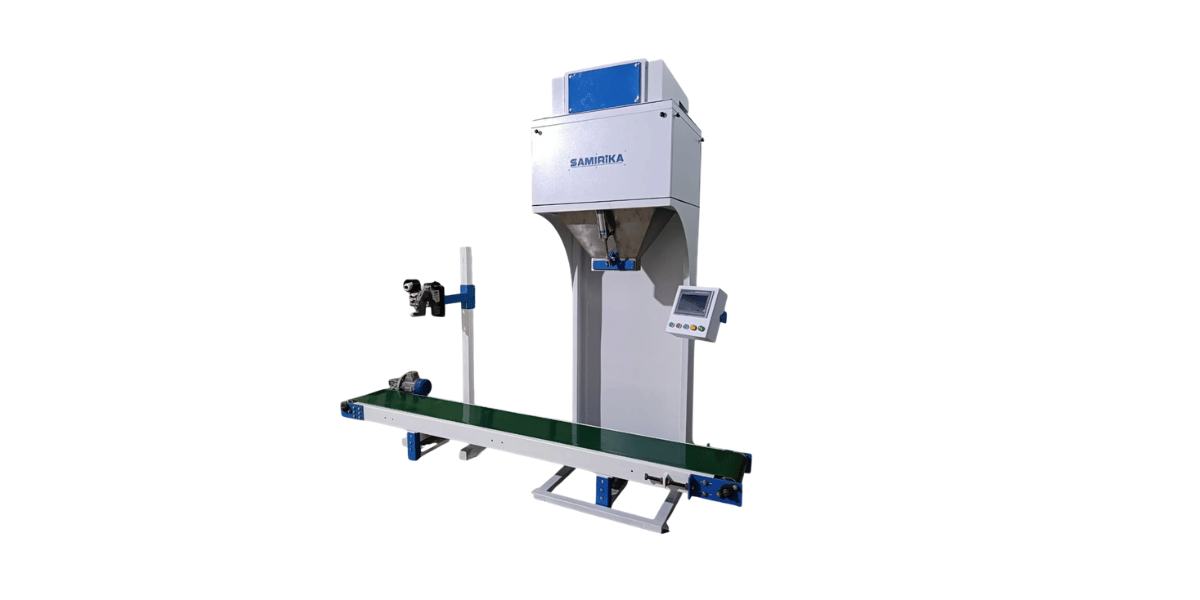
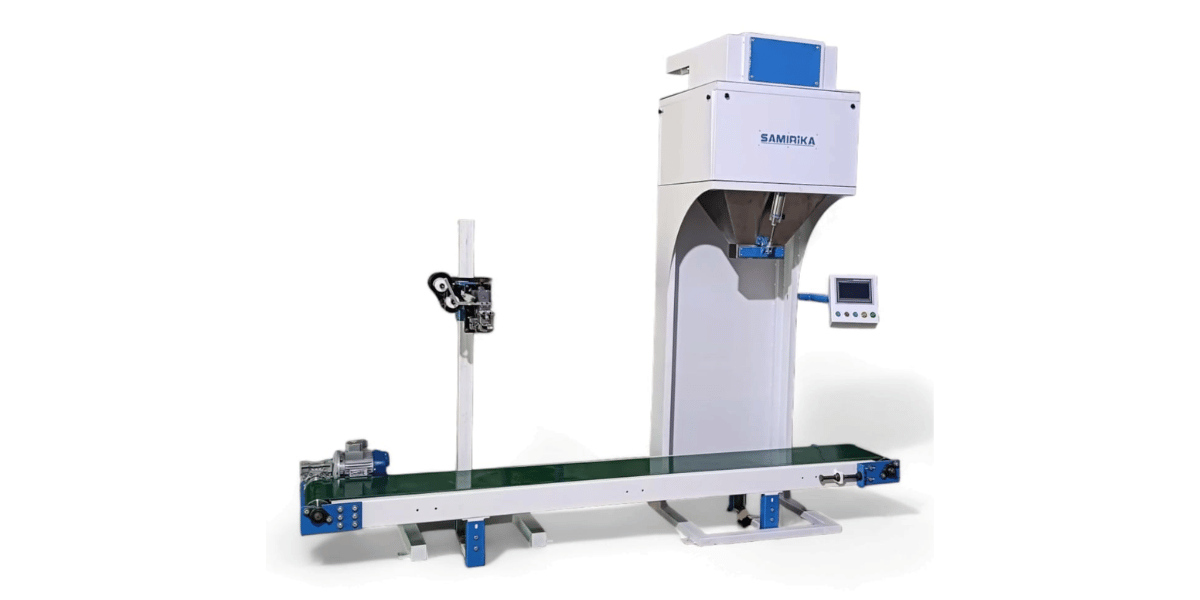
- Weighing mechanism: Incorporates accurate weighing systems to measure the correct amount of material for each bag.
- Bagging system: Automatically fills and seals bags, maintaining uniform bag weights.
- Hopper: Holds bulk material, allowing controlled release into bags.
- Conveyor belts: Transport bags through the packaging process.
- Control panel: Provides operators with settings for bag weight, speed, and other parameters.
- Safety features: Incorporates sensors and emergency stops to ensure worker safety.
Overall, a bagging and weighing machine offers a convenient and efficient solution for packaging bulk materials, enhancing productivity and maintaining quality control in various industries.
Filter Using Product Tags