Use Of Fertilizer Packing Machine
In the demanding landscape of modern agriculture, efficiency and precision in handling vital inputs like fertilizers are paramount. The use of fertilizer packing machines stands at the forefront of optimizing these processes. These sophisticated systems are designed to accurately fill and seal bags with various types of fertilizers, ensuring product integrity, streamlining operations, and ultimately contributing to better crop yields. From granular compounds to powdered mixes, the right packaging machinery is indispensable for both large-scale agricultural enterprises and smaller operations aiming for enhanced productivity.
Understanding Fertilizer Packing Machines
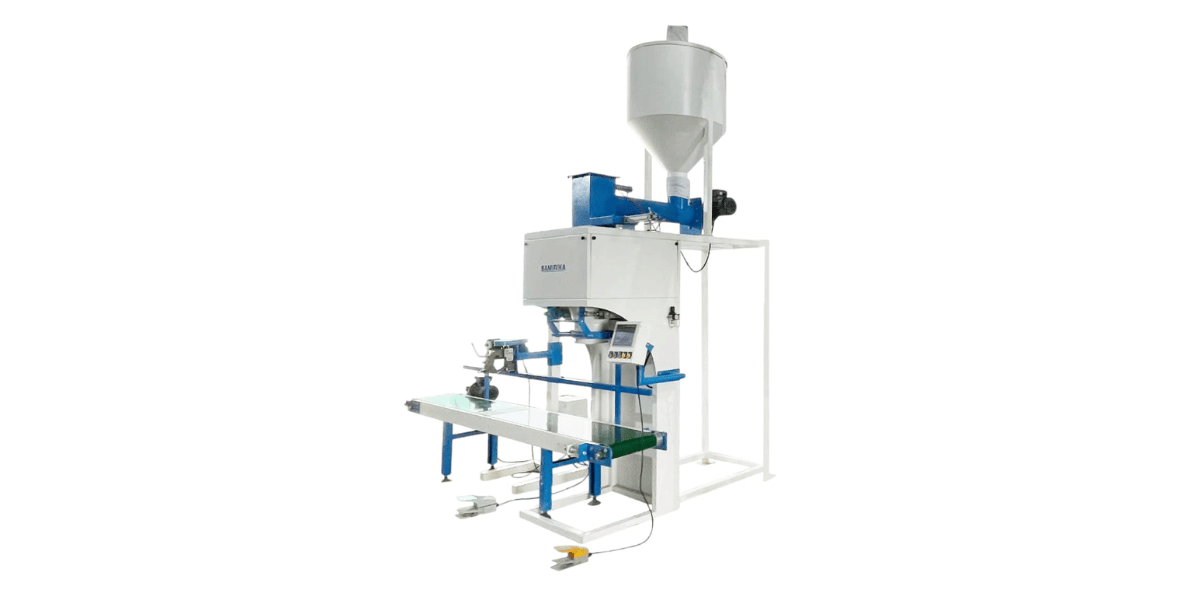
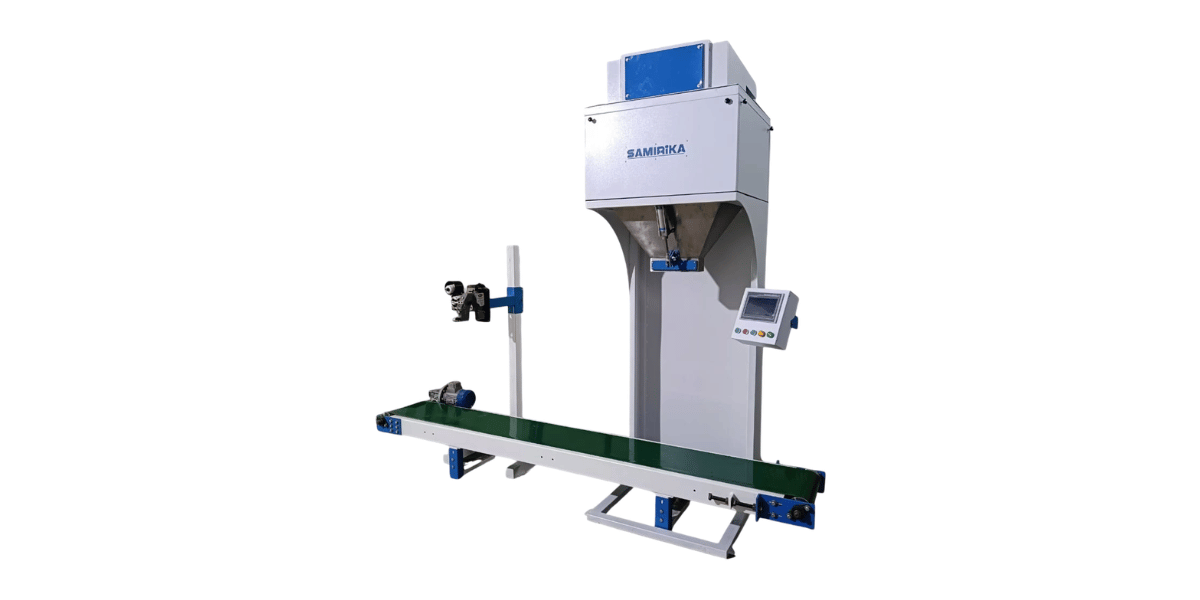
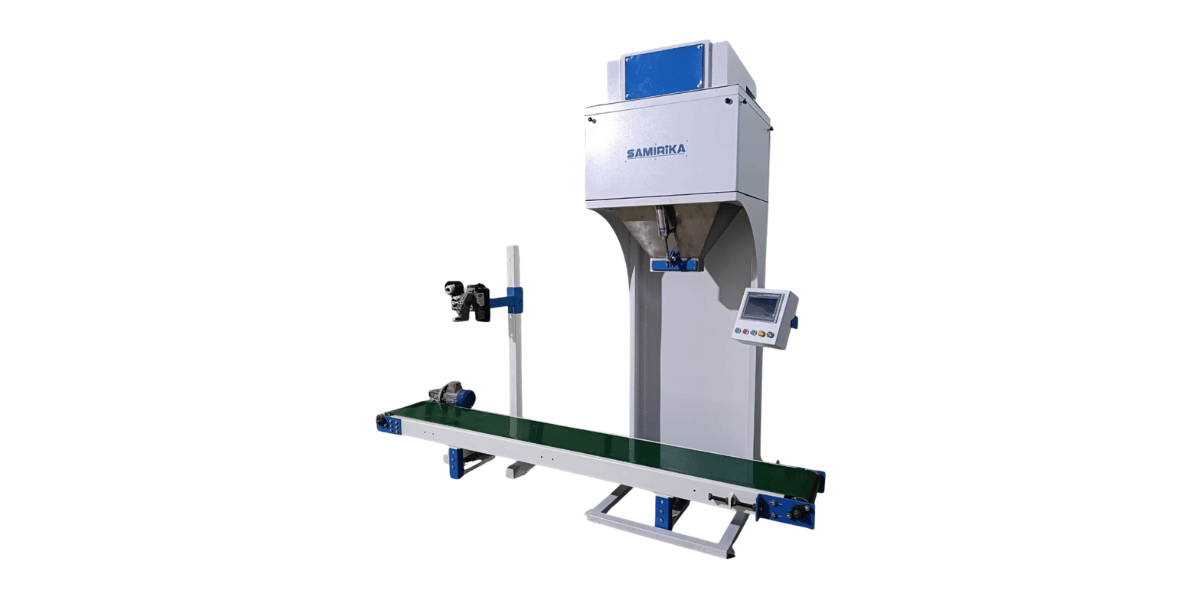
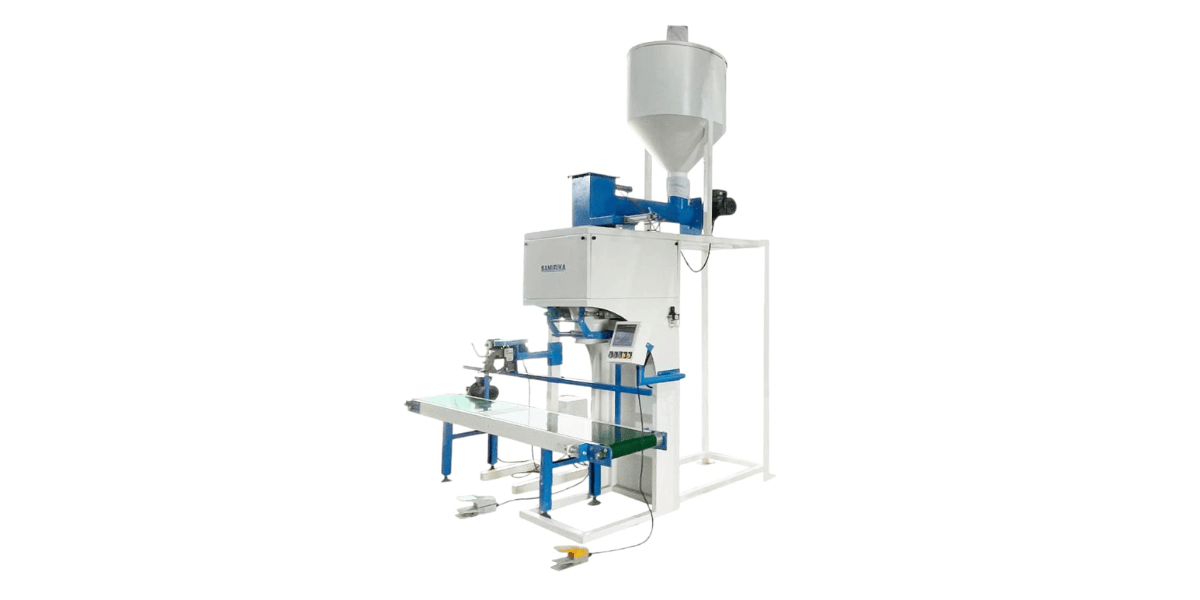
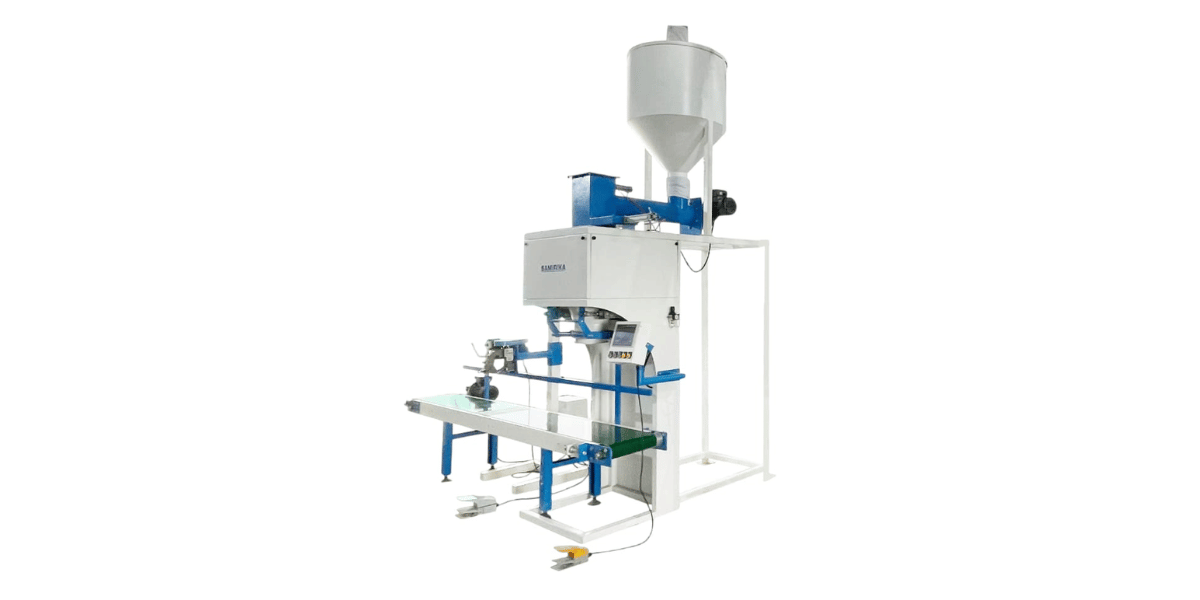
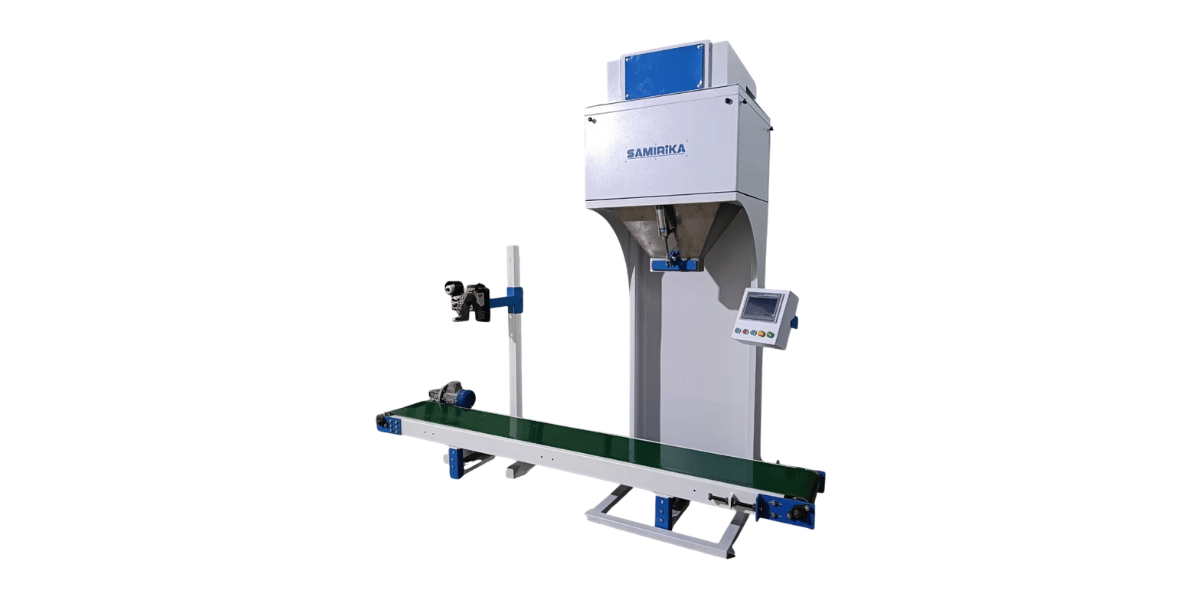
A fertilizer packing machine is an automated or semi-automated industrial equipment specifically engineered for the weighing, filling, and sealing of bags containing fertilizer products. The primary objective is to transfer a precise quantity of fertilizer from a bulk source into individual retail or industrial bags, followed by secure sealing to protect the product from moisture, contamination, and spillage during storage and transportation.
These machines are a vital component in the supply chain, bridging the gap between bulk fertilizer production and the end-user. They integrate various functions, often including:
- Weighing: Precisely measuring the correct amount of fertilizer for each bag. This can be achieved through volumetric or gravimetric (weight-based) systems, with gravimetric systems typically offering higher accuracy.
- Filling: Transferring the weighed fertilizer into the bag. Different machine designs cater to various bag types and product characteristics (e.g., granular, powder, prilled).
- Bag Handling: This can include automatic bag placing, positioning, and sometimes even bag mouth sealing or closing preparation.
- Sealing: Securing the bag closure through methods like heat sealing, stitching, or clamping, depending on the bag material and type.
The evolution of these machines has seen a significant shift towards greater automation, driven by the need for increased throughput, reduced labor dependency, and enhanced accuracy. Modern systems often incorporate microprocessor-based controllers for sophisticated operation and integration with other material handling equipment.
Key Applications and Use Cases
The versatility of fertilizer packing machines allows them to be employed across a wide spectrum of agricultural and industrial settings:
Agricultural Fertilizers
The most common application is packaging various types of agricultural fertilizers, including nitrogen, phosphorus, potassium (NPK) compounds, urea, ammonium sulfate, and organic fertilizers, for distribution to farms and garden centers.
Specialty Crop Nutrients
Packaging specialized nutrient blends for high-value crops, hydroponics, or specific soil enrichment programs, often requiring very precise dosing and bag integrity.
Powdered and Granular Products
Adaptable to different physical forms of fertilizers, whether fine powders, uniform granules, or irregularly shaped prills, with appropriate machine configurations.
Bulk Bag (FIBC) Packaging
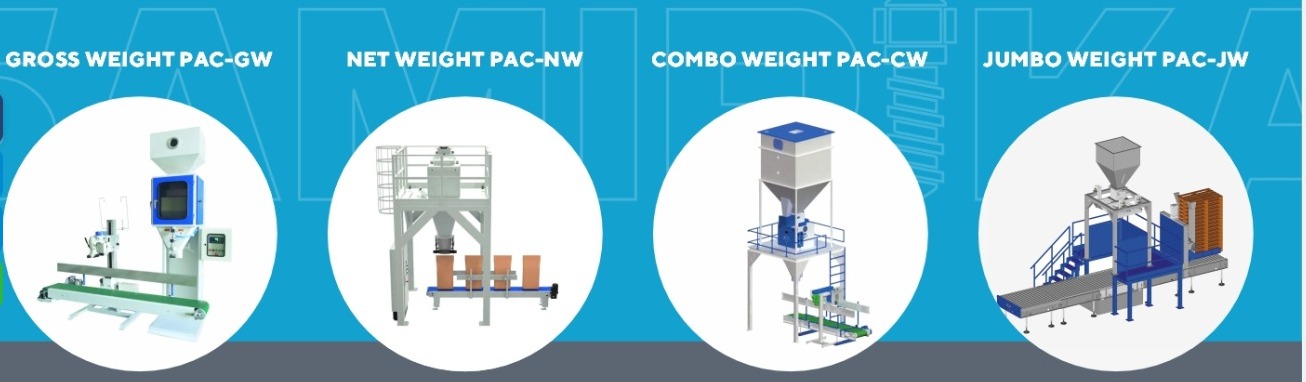
For larger agricultural operations or bulk distribution, machines designed to fill Flexible Intermediate Bulk Containers (FIBCs), also known as jumbo bags, offer efficient handling of larger quantities.
Industrial Chemical Handling
Beyond agriculture, similar machines can be used for packaging other industrial chemicals and raw materials that share characteristics with fertilizers.
Tangible Benefits of Automation
Implementing an automated fertilizer packing machine offers significant advantages that directly impact operational efficiency and profitability:
- Increased Speed and Throughput: Automated systems operate at speeds far exceeding manual labor, allowing for higher production volumes in shorter timeframes.
- Reduced Labor Costs: Automation minimizes the need for manual intervention in filling and sealing, leading to substantial savings on labor expenses and reducing risks associated with repetitive manual tasks.
- Enhanced Accuracy and Consistency: Precision weighing and filling mechanisms ensure that each bag contains the exact specified amount of product, reducing waste and ensuring customer satisfaction through consistent product delivery.
- Improved Product Integrity: Secure and reliable sealing prevents contamination, moisture ingress, and leakage, preserving the quality of the fertilizer and extending its shelf life.
- Better Product Presentation: Uniformly filled and neatly sealed bags present a professional image, enhancing brand perception and marketability.
- Operational Safety: Automating the handling of materials can reduce worker exposure to dust and repetitive strain injuries, contributing to a safer work environment.
Selecting the Right Fertilizer Packaging Machine
Choosing the appropriate fertilizer packing machine requires careful consideration of several factors to ensure it meets specific operational needs. Samirika Group, with its comprehensive range of material handling and automation solutions, offers expertise in guiding clients toward the optimal choice.
Essential Features to Consider:
- Type of Fertilizer: Is it granular, powdered, prilled, or a blend? The physical characteristics will dictate the filling mechanism required.
- Bag Type and Size: Compatibility with the specific bags you intend to use – paper, plastic, woven polypropylene – and the range of sizes (e.g., 1kg to 50kg, or jumbo bags).
- Weighing Accuracy: The required level of precision. Gravimetric weighers generally offer superior accuracy for sensitive applications.
- Automation Level: Determine the desired degree of automation, from semi-automatic systems requiring operator assistance to fully automatic lines.
- Throughput Requirements: How many bags per minute or hour do you need to process?
- Integration Capabilities: Consider if the machine needs to integrate with existing conveyor systems, palletizers, or other material handling equipment.
- Durability and Reliability: Look for robust construction designed for the demanding environment of fertilizer handling.
Buyer Insight:
When evaluating options, pay close attention to the machine's ability to handle variations in product density and flow characteristics, as these can significantly impact filling accuracy and speed. Also, consider the ease of maintenance and access to spare parts.
Quality Checks and Verification:
Before finalizing a purchase, it's crucial to verify the machine's performance. This may involve requesting demonstrations, checking references, and understanding the manufacturer's quality control processes. Look for machines built with robust components and reliable control systems.
Questions to Ask Before Buying:
- What is the typical accuracy rate for the weighing system with my type of fertilizer?
- How easily can the machine be adjusted for different bag sizes or weights?
- What are the maintenance requirements and recommended service intervals?
- Can the system be integrated with my existing material handling infrastructure?
- What support and training are provided post-installation?
Samirika Group: Your Partner in Packaging Automation
Samirika Group specializes in providing comprehensive material handling systems integrated with advanced automation. Their expertise extends to offering robust solutions for the agricultural sector, including dedicated fertilizer packaging machines. Whether you require precise weighing and bagging systems, solutions for jumbo bags, or integrated conveying and sealing machines, Samirika Group provides equipment designed for efficiency and reliability.
Their product portfolio encompasses automatic microprocessor-based controller operated weighing and bagging systems, polymer packaging machines, and automatic bag placers, ensuring a cohesive approach to your packaging line requirements. By focusing on automation and tailored solutions, Samirika Group helps businesses optimize their fertilizer packaging processes, reduce operational costs, and enhance product quality and market presence.
Request a Tailored Solution
Understand your specific needs regarding fertilizer type, bag size, and desired throughput. Contact Samirika Group to discuss your requirements and explore how their advanced packaging automation can optimize your operations.
Explore Solutions at Samirika GroupFrequently Asked Questions
What is the primary function of a fertilizer packing machine?
The primary function is to automatically weigh and fill bags with fertilizers and then securely seal them, ensuring accuracy, efficiency, and product protection.
Can these machines handle different types of fertilizers?
Yes, modern fertilizer packing machines can be configured to handle various forms such as granular, powder, and prilled fertilizers, though specific configurations might be better suited for certain types.
What are the benefits of using an automated packing system?
Key benefits include increased packaging speed, reduced labor costs, improved weighing accuracy, consistent bag filling, enhanced product integrity, and better overall operational efficiency.
What is a jumbo bag or FIBC?
A FIBC (Flexible Intermediate Bulk Container), commonly known as a jumbo bag, is a large, flexible bag designed for storing and transporting bulk materials like fertilizers, capable of holding several hundred to over a thousand kilograms.
Conclusion
The use of fertilizer packing machines is fundamental to the efficiency, accuracy, and competitiveness of businesses within the agricultural and related industries. By automating the crucial steps of weighing and filling, these machines not only drive down operational costs but also ensure that products are packaged with the utmost precision and integrity. Investing in the right fertilizer packaging solution, supported by reliable manufacturers like Samirika Group, empowers operations to meet market demands effectively, maintain product quality, and achieve greater overall productivity.