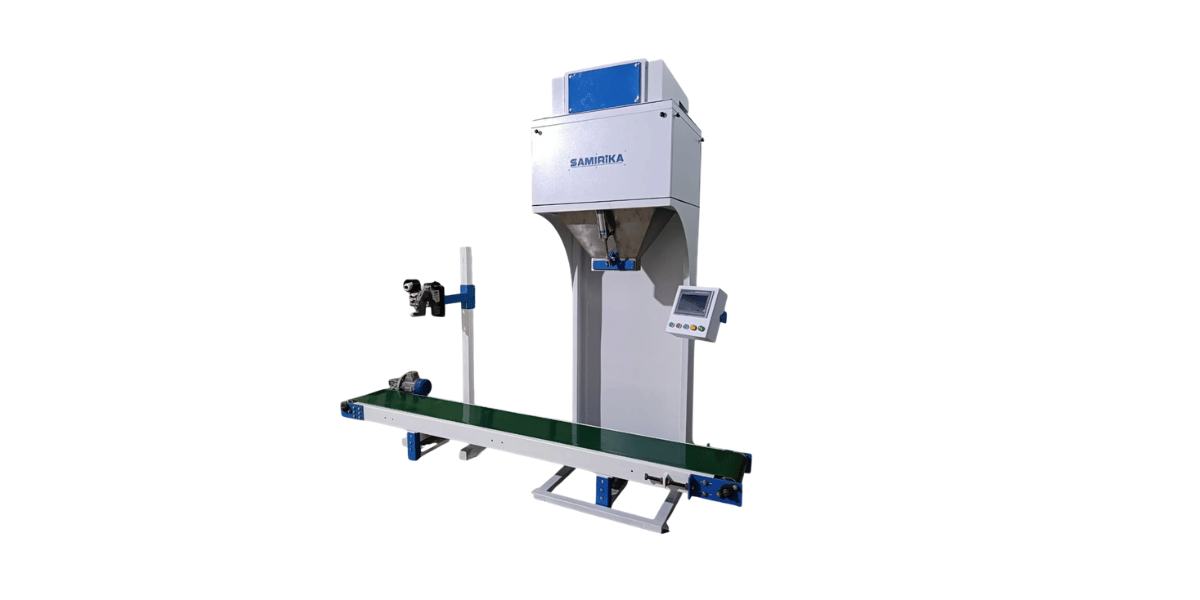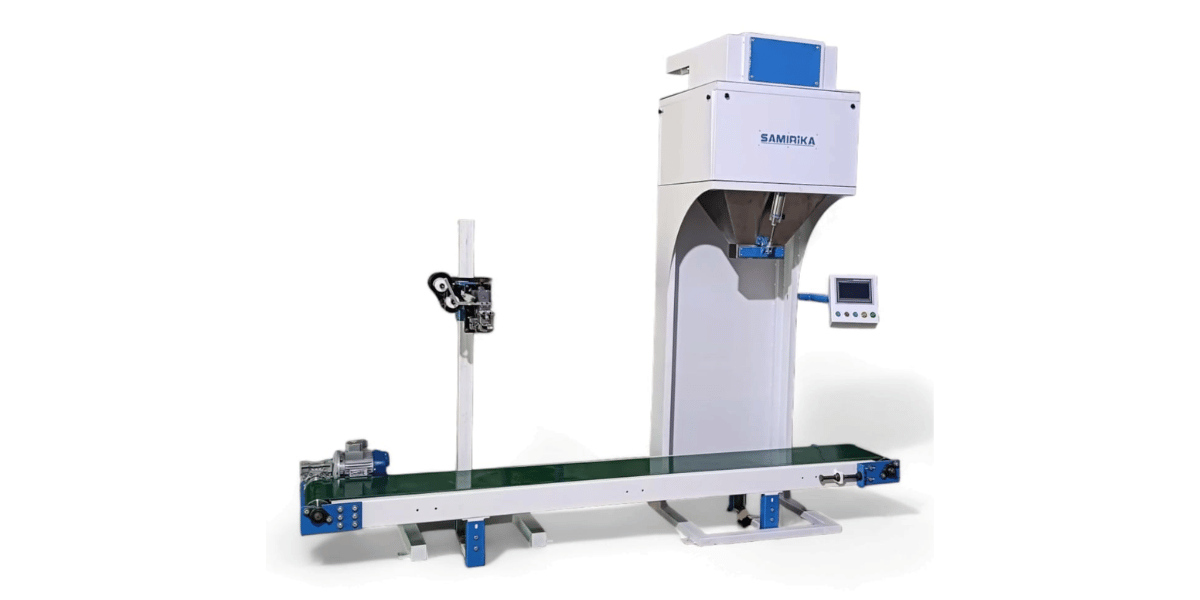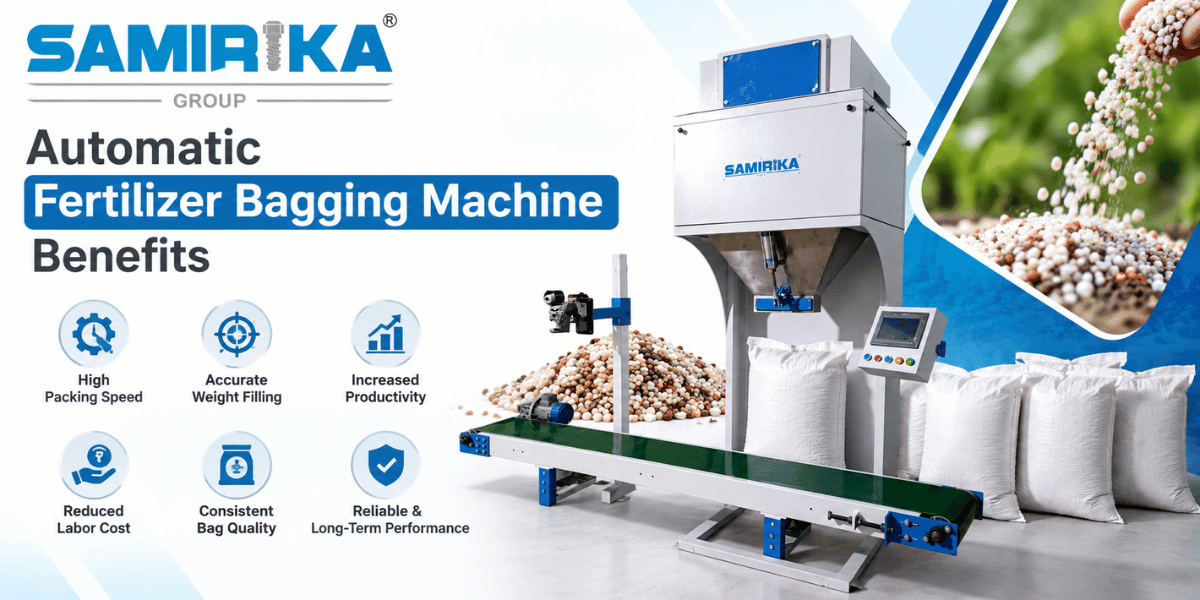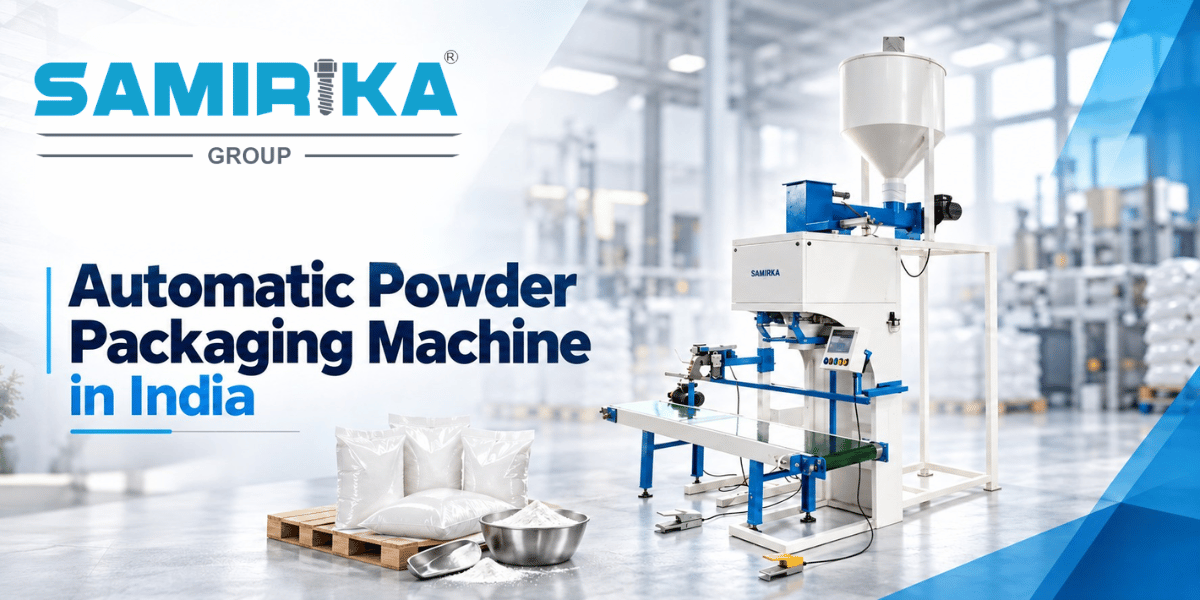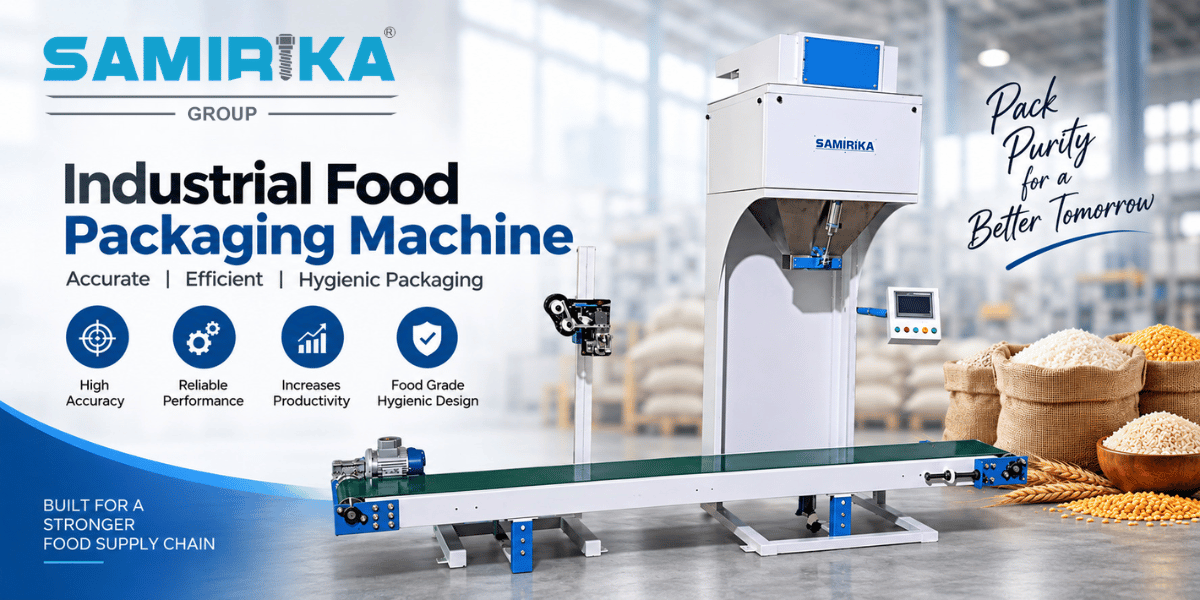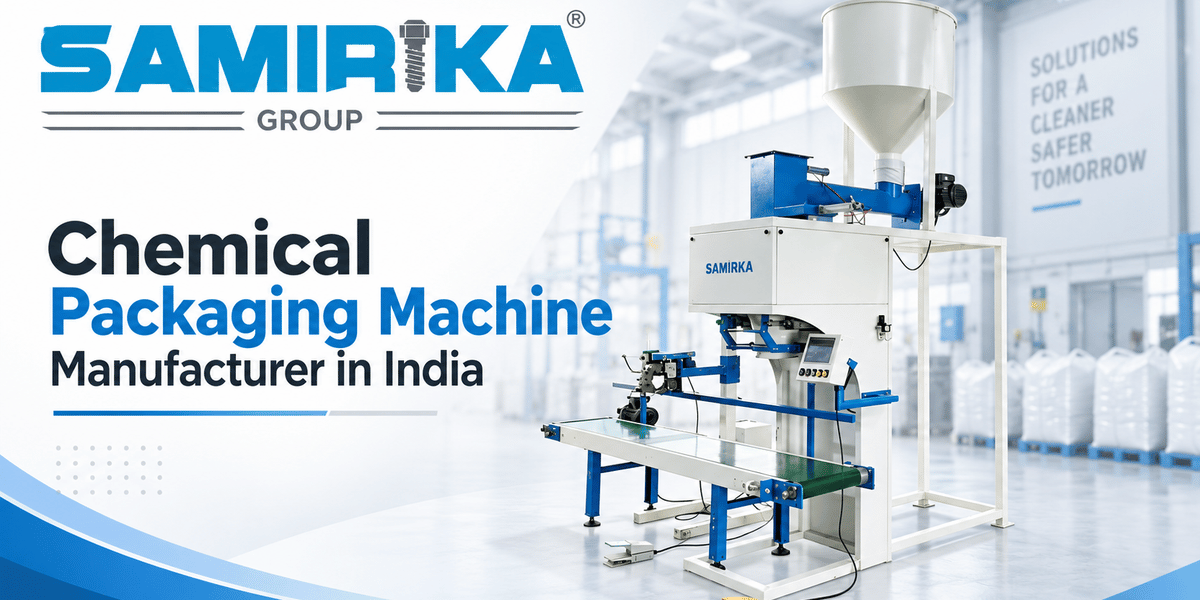
Overview of Polymer Bag Filling Machine
A Polymer Bag Filling Machine is a critical asset in the plastic processing industry, designed to package raw materials like plastic granules, pellets, and resin powders. These machines ensure that the high-value polymer product is weighed accurately and sealed securely to prevent contamination or moisture ingress. Samirika Group offers versatile filling machines that cater to the specific flow characteristics of polymers, from free-flowing chips to sticky or static-charged granules, ensuring smooth and uninterrupted packaging operations.
How the Machine Works
The operation of a polymer bag filling machine centers on precision and hygiene. Material is conveyed from a silo to the machine's surge hopper. A feeding system (gravity, belt, or screw) moves the polymer into a weigh bucket. The electronic controller continuously measures the weight. Upon reaching the set target (e.g., 25kg or 50kg), the feed stops instantly. The weighed batch is then discharged into a bag clamped below. The bag is subsequently released and moved to a sealing station, which is crucial for polymers to maintain their properties during storage and transport.
Common Types of Polymer Bag Fillers
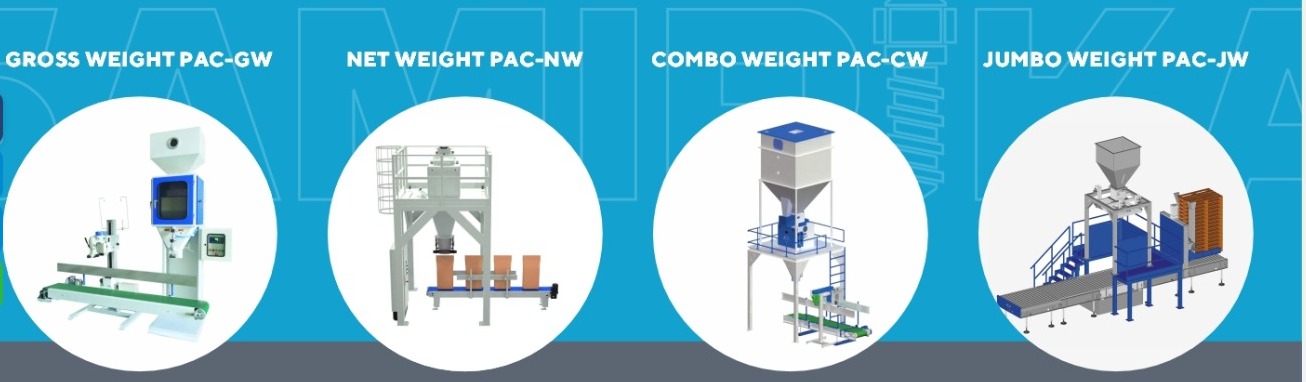
- Net Weighing Systems – The most common type for polymers, weighing the product in a bucket before bagging for maximum speed.
- Gross Weighing Systems – Weighs the product directly in the bag; suitable for lower speed lines or limited height areas.
- Form-Fill-Seal (FFS) – Uses a roll of tubular film to form bags, fill them with granules, and seal them, offering a fully automated solution.
- Big Bag Fillers – Designed for filling Flexible Intermediate Bulk Containers (FIBCs) or Jumbo bags for bulk transport.
- Valve Bag Packers – Used for fine polymer powders to ensure a clean, brick-shaped pack without the need for sewing.
Technical Features
- Stainless Steel Construction – Essential to prevent rust and contamination of the pure polymer product.
- Anti-Static Components – Special liners and grounding to handle static build-up common in plastic granules.
- Dust-Tight Operation – Enclosed filling spouts and dust collection ports to keep the workspace clean.
- Easy Clean Design – Quick-release clamps and access doors allow for fast cleaning during product changeovers.
- Heat Sealing Integration – Compatible with various heat sealing systems for heavy-duty plastic bags.
Key Applications
- Petrochemical Complexes – For high-speed bagging of virgin plastic granules (PE, PP, PVC) directly from the reactor line.
- Recycling Facilities – Efficiently packaging recycled plastic flakes and chips for resale to molders.
- Masterbatch Manufacturers – Accurate weighing of color concentrates and additives where precision is vital.
- Compounding Units – Handling glass-filled or mineral-filled polymer compounds that can be abrasive.
Why Use a Dedicated Polymer Filler?
- Product Purity – Dedicated machines prevent cross-contamination between different grades of plastic.
- Moisture Protection – Proper filling and sealing protect hygroscopic polymers from absorbing moisture.
- Cost Savings – High accuracy weighing reduces material giveaway, which is significant for expensive engineering plastics.
- Improved Presentation – Produces neat, uniform bags that stack well on pallets for export and transport.
Choosing the Right Machine
Selecting the correct Polymer Bag Filling Machine depends on your specific material (granule size, shape, flowability) and required output. For free-flowing pellets, a gravity-fed net weigher is efficient. For powders or irregular regrinds, a belt or screw feeder provides better control. Samirika Group helps you analyze your product characteristics to recommend the most effective filling technology, ensuring your packaging line runs at peak efficiency.
Operational Tips
- Regularly check the static grounding cables to prevent static shocks and material bridging.
- Clean the sealing bars frequently to ensure a strong, air-tight seal on every bag.
- Calibrate the load cells periodically to maintain weighing accuracy within the desired tolerance.
- Inspect the bag clamps for wear to ensure they hold the bag firmly during the filling cycle.
- Keep the area around the machine free of loose granules to prevent slipping hazards.
FAQs – Polymer Filling Machines
Contact Details
Talk to our specialists today for tailored solutions and fast assistance.