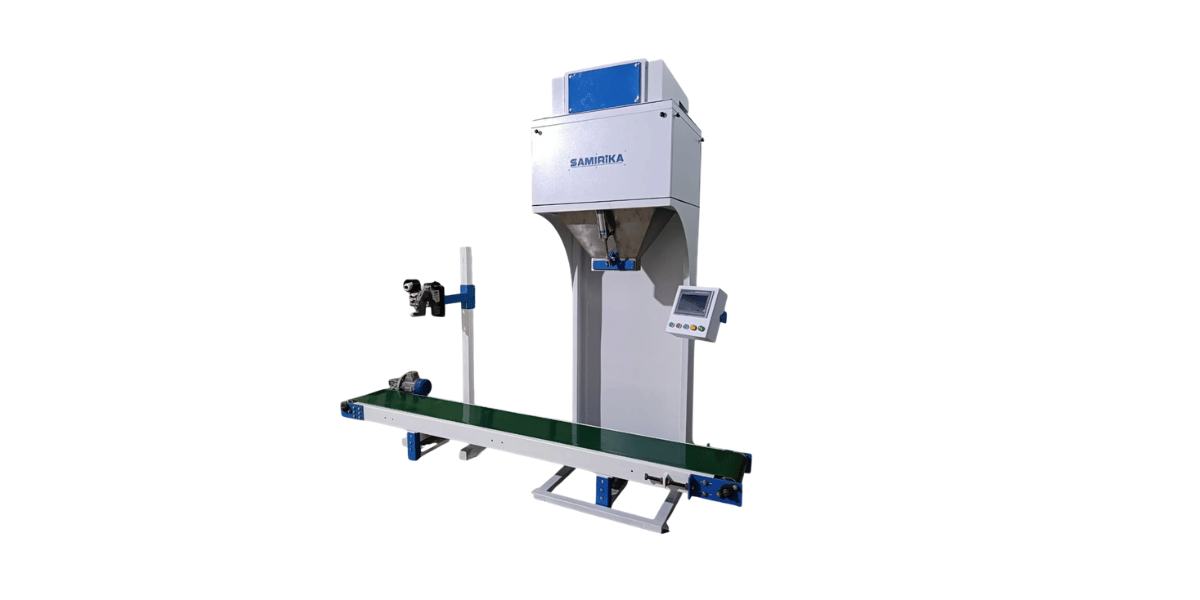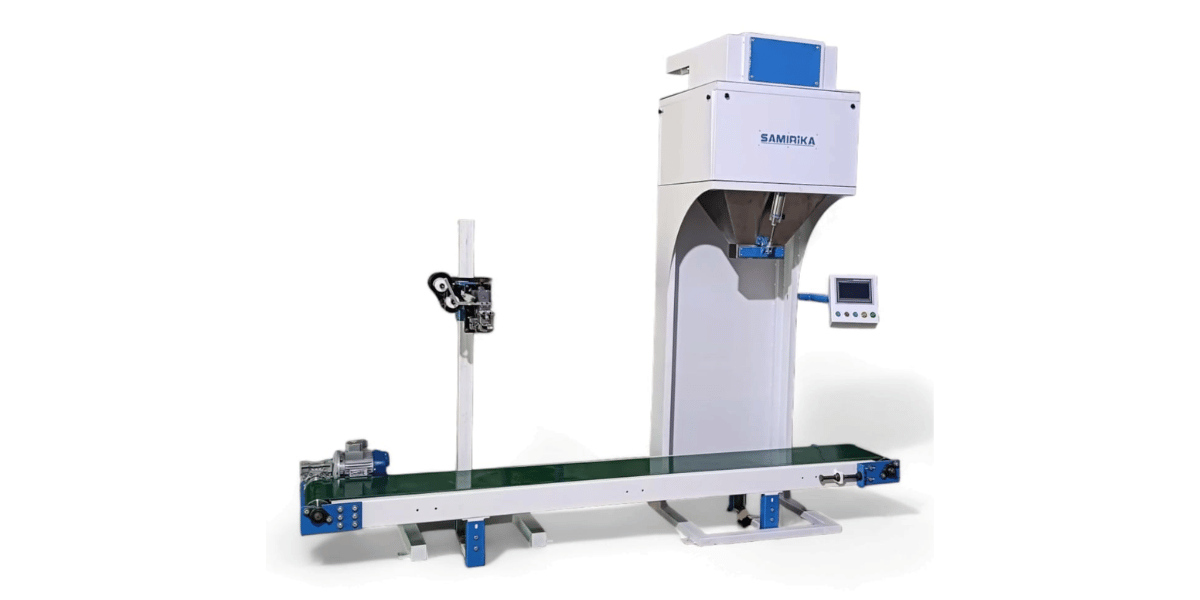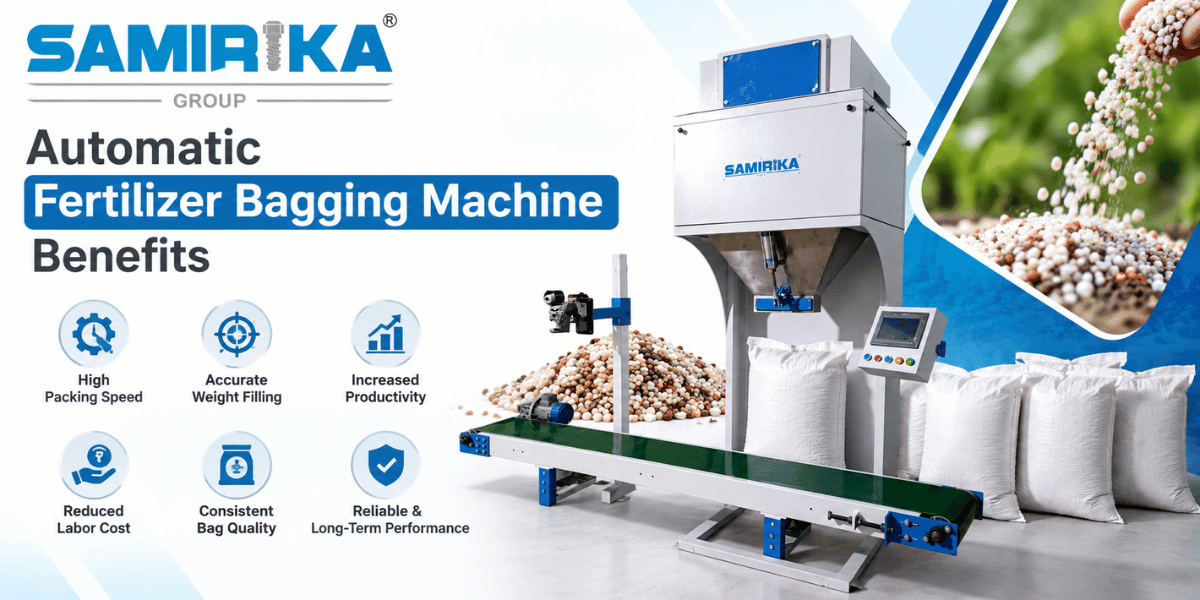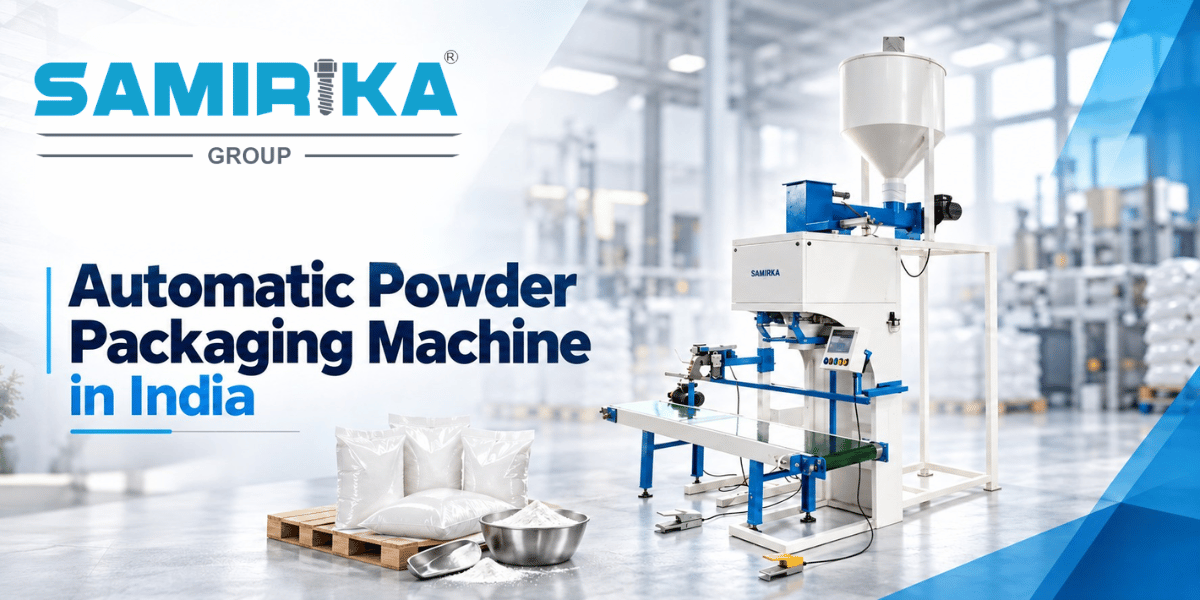

Introduction to Masterbatch Industrial Bag Filling Machine
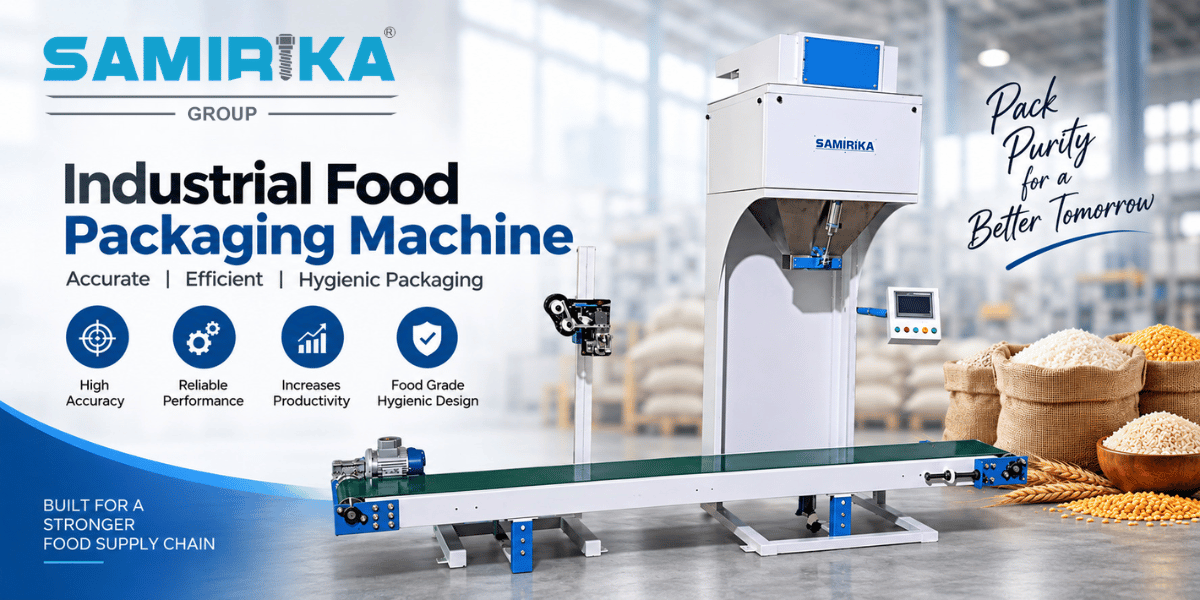
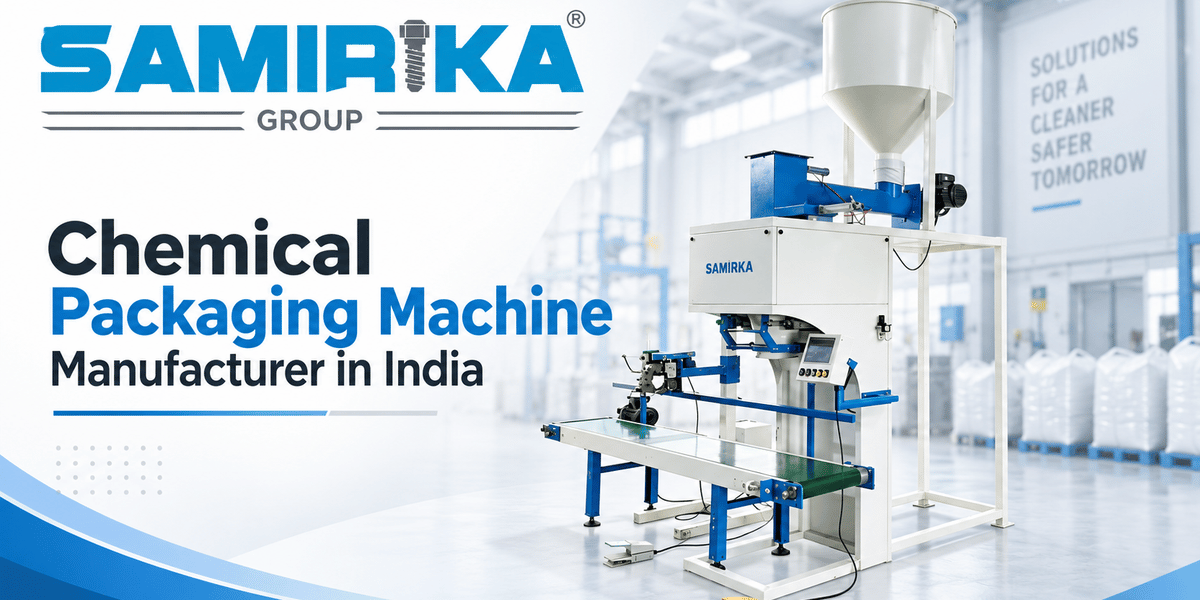
A masterbatch industrial bag filling machine is engineered to pack polymer additives, color masterbatches, and compound pellets into bags with consistent weight accuracy and clean handling. Masterbatch products are typically granular, free-flowing, and sensitive to contamination, so modern bag filling systems focus on stable feeding, fast weighing, and dust-controlled discharge. Samirika Group manufactures robust bag filling machines designed to support continuous production lines, reduce product giveaway, and maintain neat, export-ready bag presentation. These systems are commonly configured for 25 kg and 50 kg bagging, while remaining flexible for different bag types, material flow behavior, and plant layouts.
Working Principle and Process Flow of Masterbatch Bag Filling
The bag filling cycle begins as pellets are fed from a surge hopper or silo into a weighing unit using a gravity, belt, or vibratory feeder based on material behavior. The controller performs coarse and fine feeding to reach the target weight quickly while maintaining precision. Once the set weight is achieved, the discharge gate opens and transfers the measured batch into the bag through a filling spout. A bag clamp holds the bag mouth firmly to reduce spillage, and optional de-aeration or dust extraction improves cleanliness. After filling, the bag is released for stitching, sealing, or conveyor transfer, ensuring smooth output and stable productivity for masterbatch packaging lines.
Types of Masterbatch Industrial Bag Filling Machines
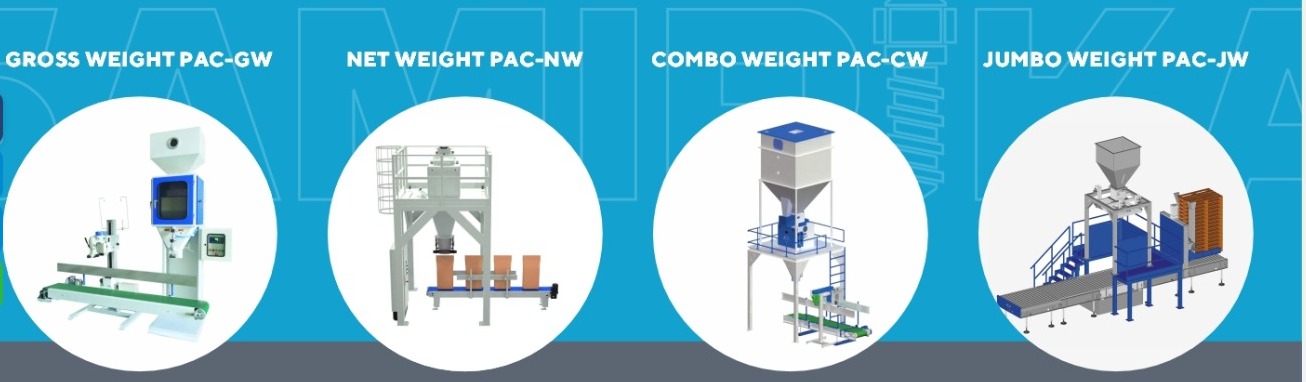
- Net Weigh Bag Filling Systems – Pre-weigh pellets in a hopper for high accuracy and repeatable bag weights.
- Gross Weigh Bag Filling Systems – Weigh the bag during filling, suitable for simple installations and straightforward products.
- Gravity Feed Bag Fillers – Best for free-flowing masterbatch granules with stable discharge and minimal shear.
- Vibratory Feed Bag Fillers – Provide controlled flow for mixed granules and reduce surges for consistent filling.
- High-Speed Duplex Bagging Units – Dual weigh hoppers for continuous production and higher output requirements.
Key Features and Specifications of Masterbatch Bag Filling Machine
- Accurate weighing with load cells and smart controller logic for stable bag weights.
- Coarse and fine feed control to reduce overfill and maintain high throughput.
- Dust-controlled filling spout options with bag clamping for clean operation.
- Rugged structure and long-life components designed for industrial pellet handling.
- Easy integration with conveyors, silos, de-dusting units, and stitching or sealing machines.
Applications of Masterbatch Industrial Bag Filling Machine
- Color Masterbatch Packaging – Efficient filling of pigment masterbatch pellets into standard industrial bags with consistent weight control and clean spout discharge.
- Additive Masterbatch Lines – Reliable bagging of UV, anti-block, anti-slip, flame retardant, and processing-aid masterbatches for bulk supply and distribution.
- Plastic Compounding Plants – Accurate bag filling for compounded pellets and blends, supporting downstream warehousing and shipment handling.
- Polymer Processing Support Units – Bagging systems for regrind pellets and granules used in internal consumption or external supply chains.
Benefits of Using Masterbatch Industrial Bag Filling Machine
- Consistent Bag Weights – Stable weighing reduces variations and improves customer confidence in bulk deliveries.
- Clean and Controlled Operation – Bag clamping and optional dust extraction minimize spillage and housekeeping issues.
- Higher Output with Lower Effort – Automated cycles reduce operator dependency and improve production efficiency.
- Better Material Utilization – Accurate coarse-fine feeding lowers product giveaway and supports cost control.
How to Choose the Right Masterbatch Bag Filling System
Selecting a masterbatch bag filling machine depends on required bag capacity, target output rate, material flow characteristics, and the level of dust control needed at the spout. Free-flowing pellets often work best with gravity or vibratory feeding, while higher speed demands may require duplex weighing configurations. Plants focusing on cleaner packaging should consider bag clamps, dust extraction ports, and stable discharge geometries. A well-matched weighing and feeding setup helps maintain accuracy at speed, reduces downtime, and ensures smooth integration with upstream silos and downstream conveyors, stitching, or sealing stations.
Maintenance and Safety Tips
- Calibrate load cells and controller settings periodically to maintain consistent bag weight accuracy.
- Inspect feeder components for wear and ensure smooth pellet flow without bridging or surging.
- Keep spout area clean and verify bag clamp operation to reduce spillage and dust leakage.
- Check pneumatic lines, valves, and sensors to avoid cycle interruptions during continuous runs.
- Train operators on safe bag handling, emergency stops, and basic troubleshooting procedures.
FAQs – Masterbatch Industrial Bag Filling Machine
Contact Details
Talk to our specialists today for tailored solutions and fast assistance.