What Is Fertilizer Packaging Machine
Discover what a fertilizer packaging machine is, its key features, and how it streamlines operations for agricultural businesses. Learn how to choose the right
What Is Fertilizer Packaging Machine: A Comprehensive Guide for Agricultural Operations
The efficient and accurate packaging of fertilizers is crucial for the agricultural sector, directly impacting product integrity, distribution logistics, and ultimately, crop yields. For businesses in Gujarat and across India, ensuring fertilizers are packaged correctly means protecting them from moisture, contamination, and spillage while meeting market demands for standardized bag sizes. This process requires specialized equipment designed to handle the unique properties of granular and powdered fertilizers. Understanding what a fertilizer packaging machine is and how it functions is the first step towards optimizing your packaging operations.
Why Fertilizer Packaging Matters in Gujarat
Gujarat's robust agricultural landscape, with its diverse crops and significant fertilizer consumption, makes efficient packaging operations a necessity. The state's agricultural sector relies heavily on timely and secure delivery of fertilizers to farmers. Proper packaging prevents product degradation due to humidity, a common challenge in coastal regions, and ensures that the precise nutrient composition reaches the soil. Furthermore, standardized packaging facilitates easier handling, storage, and transportation, supporting the efficient supply chain that underpins Gujarat's agricultural productivity and economic growth.
What Is a Fertilizer Packaging Machine? An Overview
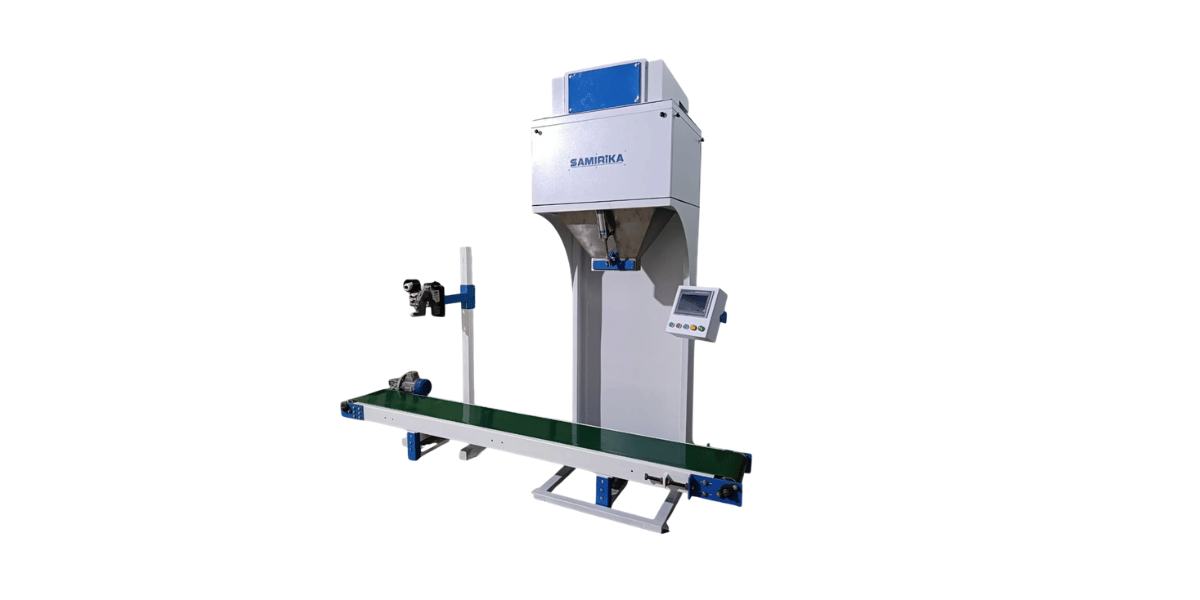
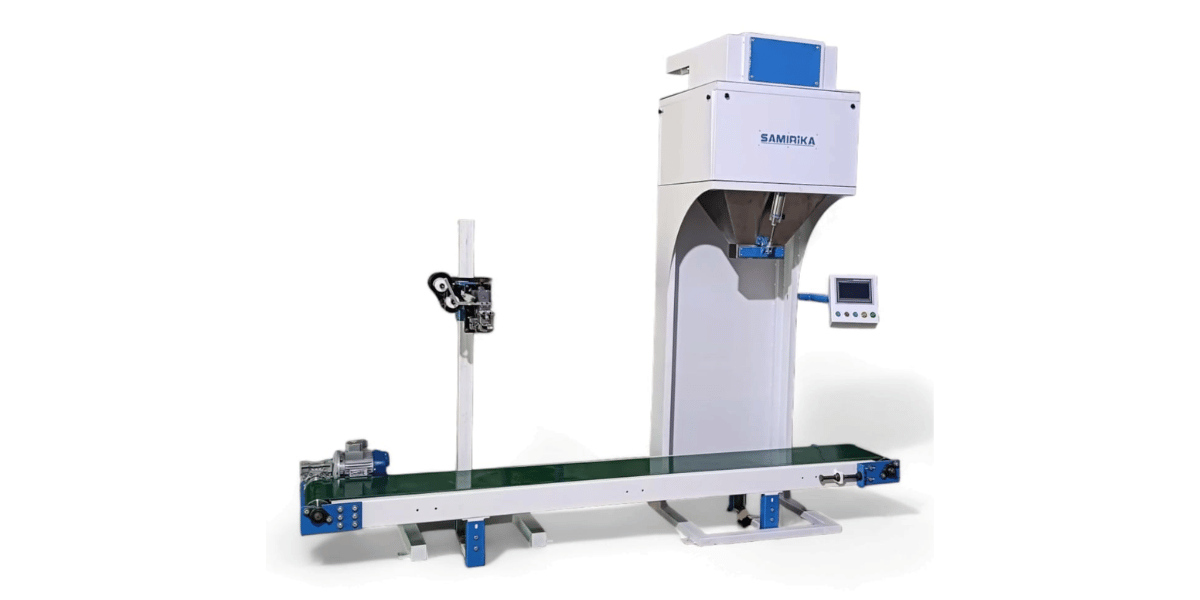
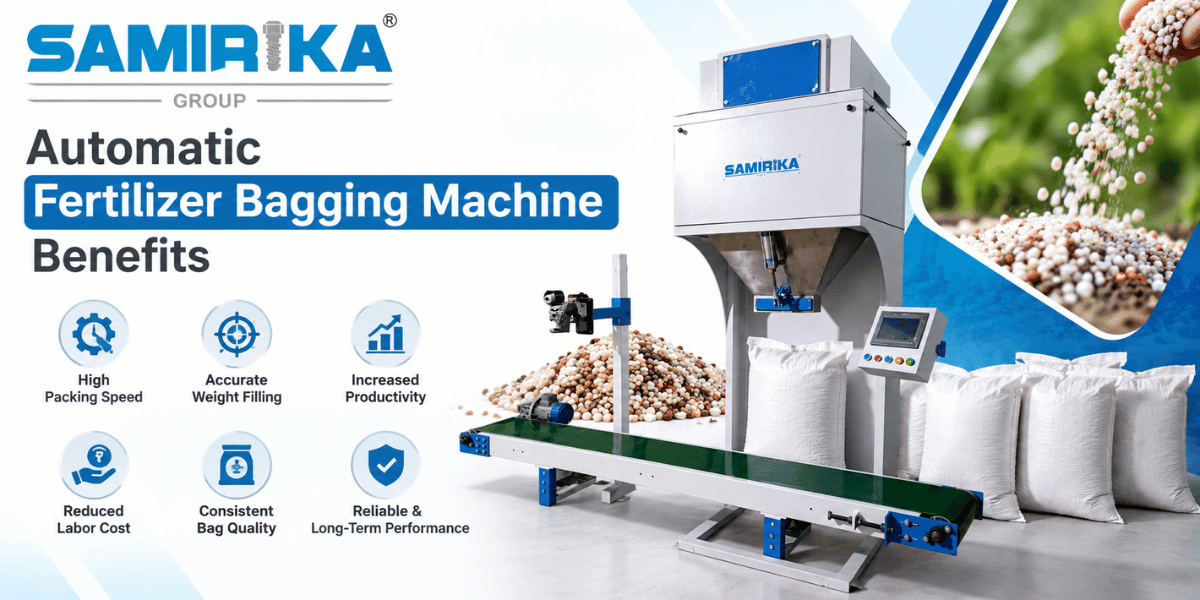
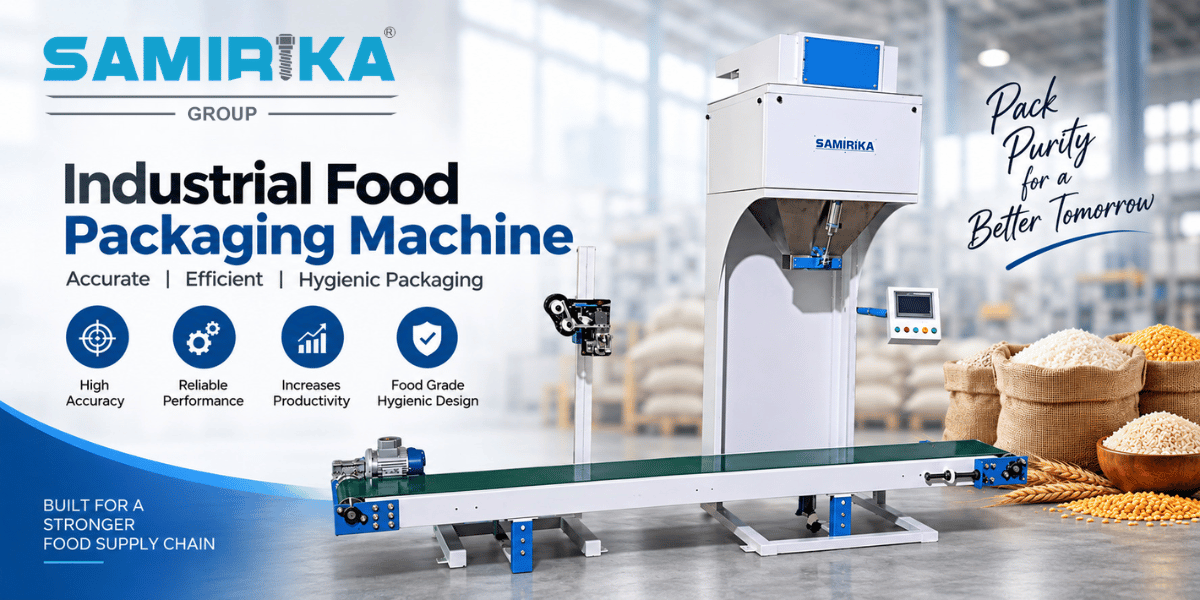
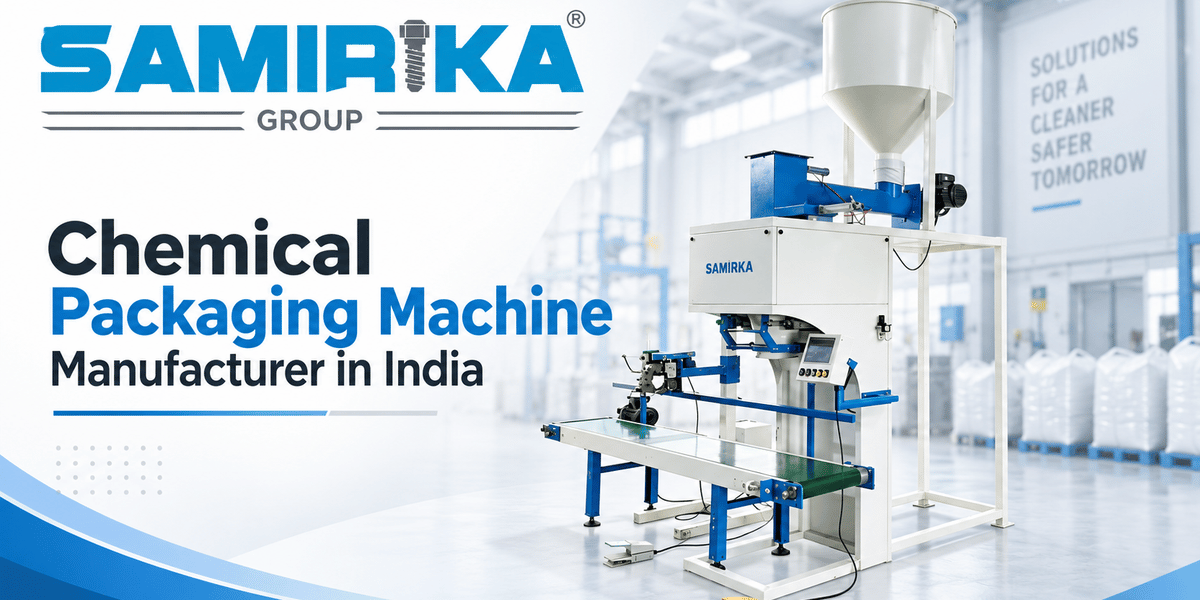
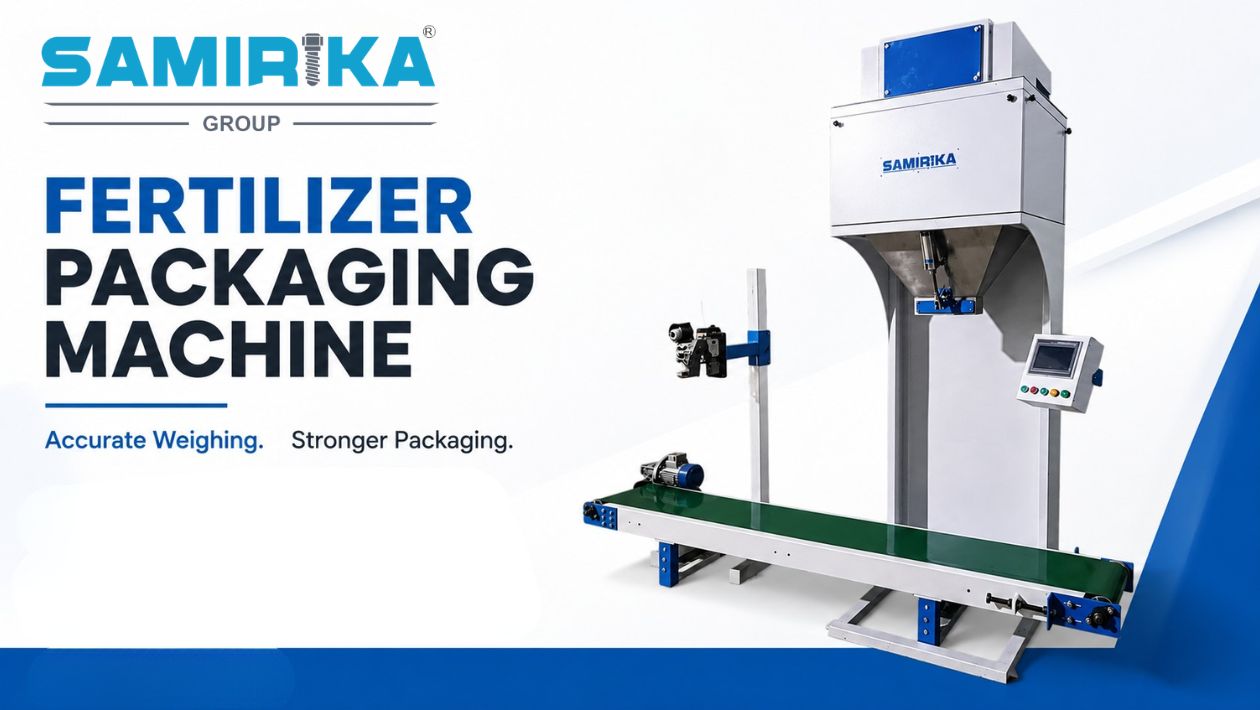
A fertilizer packaging machine is a sophisticated piece of industrial equipment engineered to automate the process of filling and sealing bags or containers with granular or powdered fertilizers. These machines are designed to handle the specific physical characteristics of fertilizer products, such as their flowability, density, and potential for dust generation. Their primary function is to ensure that each package contains the correct weight of product, is securely sealed to maintain product quality, and is presented in a format suitable for distribution and sale. This automation significantly boosts efficiency and reduces the manual labor involved in traditional packaging methods.
Key Features and Technical Specifications
Modern fertilizer packaging machines are equipped with a range of features to ensure precision, speed, and reliability. These specifications are critical for meeting production targets and maintaining product quality:
- Automated Weighing and Filling System: Utilizes load cells or volumetric fillers for precise weight measurement, ensuring each bag contains the exact specified amount of fertilizer.
- Integrated Feeding Mechanism: A controlled system that ensures a consistent and steady flow of fertilizer from the hopper to the filling spout, preventing blockages and ensuring uniform filling.
- Versatile Bag Handling Capabilities: Accommodates various bag types (e.g., woven PP bags, multi-wall paper bags) and sizes, often with adjustable settings for different dimensions.
- Robust Sealing Solutions: Employs heat sealing, stitching, or ultrasonic sealing to create airtight and durable closures, protecting the fertilizer from environmental factors.
- Dust Suppression and Collection System: Features designed to minimize dust generation during the filling process, improving workplace safety and reducing product loss.
- Intuitive Touchscreen Control Panel: An operator-friendly interface for setting parameters, monitoring production, adjusting fill weights, and diagnosing issues.
- Durable Construction: Built with robust materials, often stainless steel, to withstand the abrasive nature of fertilizers and ensure longevity in demanding industrial environments.
- Safety Interlocks and Emergency Stops: Integrated safety features to protect operators and prevent accidents during operation.
Industrial Applications and Use Cases
Fertilizer packaging machines are indispensable across various segments of the agricultural supply chain and related industries:
- Granular Fertilizer Packaging: Accurately filling bags with NPK, urea, DAP, and other granular fertilizers for direct sale to farmers.
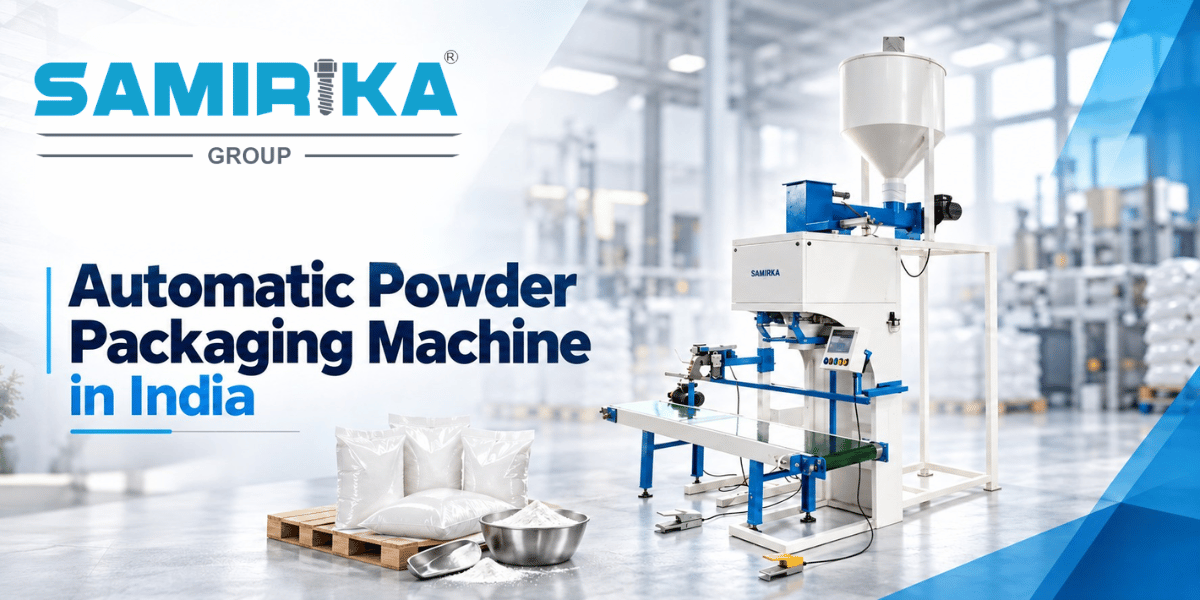
- Powdered Fertilizer Bagging: Packaging fine-textured fertilizers, soil conditioners, and micronutrient powders into sealed bags.
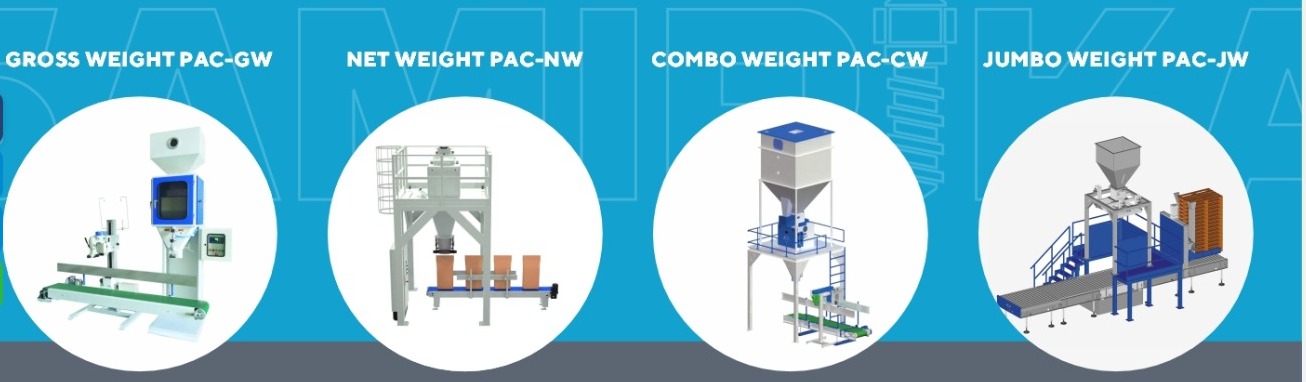
- Bulk Bag (FIBC) Filling: For larger agricultural operations or distributors, machines can fill Flexible Intermediate Bulk Containers (FIBCs) with significant quantities of fertilizer.
- Custom Blended Fertilizer Packaging: Packaging specialized fertilizer blends tailored to specific crop needs or soil conditions.
- Seed and Soil Amendment Packaging: While primarily for fertilizers, similar machines can be adapted for packaging seeds, compost, or other agricultural inputs.
- Chemical Fertilizer Distribution: Ensuring secure and accurate packaging for industrial-scale distribution of fertilizers.
- Export Packaging: Preparing fertilizers for international markets, meeting specific packaging regulations and quality standards.
- Small-Scale Agricultural Cooperatives: Providing efficient packaging solutions for smaller farming groups to improve their market competitiveness.
How to Choose the Right Fertilizer Packaging Machine
Selecting the appropriate fertilizer packaging machine is a critical decision that impacts operational efficiency and product quality. Consider these factors:
- Product Type and Form: Is your fertilizer granular, powdered, or a mix? This dictates the type of filling mechanism required (e.g., auger filler for powders, vibratory filler for granules).
- Bag Size and Type: Determine the standard bag dimensions (width, height, thickness) and material (e.g., woven PP, multi-wall paper) you will be using. Ensure the machine is compatible.
- Required Throughput: How many bags per minute or hour do you need to produce? This will guide you towards semi-automatic or fully automatic machines.
- Weighing Accuracy Requirements: What level of precision is essential? High-accuracy weighing systems minimize product giveaway and ensure customer satisfaction.
- Dust Control Needs: If dealing with fine powders, a machine with an effective dust collection system is paramount for safety and product recovery.
- Automation Level: Decide between semi-automatic (requiring manual bag placement and removal) and fully automatic (handling bag feeding, filling, sealing, and discharge).
- Supplier Support and Service: Look for manufacturers or suppliers with a strong reputation for after-sales service, spare parts availability, and technical support.
- Customization Options: Can the machine be adapted to specific product characteristics or unique packaging requirements?
Quality Standards and Compliance
For fertilizer packaging machines, adherence to quality standards ensures reliability, safety, and compliance with industry regulations. Buyers should look for machines manufactured in accordance with relevant Indian Standards (IS) or international standards like ISO. For instance, components that come into contact with the product should ideally be made of food-grade or corrosion-resistant materials, even if fertilizer isn't food, to prevent contamination and ensure longevity. Electrical components should meet safety standards like IEC.
Manufacturers should provide documentation detailing the materials used, manufacturing processes, and testing procedures. Verifying certifications and ensuring the machine's design minimizes dust emissions is crucial for environmental and worker safety compliance. A reputable supplier will be transparent about these aspects and can provide evidence of their quality control measures.
Why Samirika Industries' Experience and Capability Matters
At Samirika Industries, our extensive experience in designing and manufacturing industrial packaging machinery, particularly for the agricultural sector, sets us apart. We understand the unique challenges faced by fertilizer producers and distributors in Gujarat and across India. Our capability stems from a deep understanding of material handling, precise weighing, and secure sealing technologies, tailored specifically for products like fertilizers.
We focus on robust engineering and quality manufacturing processes to deliver machines that are not only efficient but also durable and reliable. Our team of experienced engineers works closely with clients to understand their specific needs, offering customized solutions that integrate seamlessly into their production lines. This commitment to technical expertise, combined with our dedication to providing excellent after-sales support, ensures that our clients receive packaging machines that optimize their operations and deliver long-term value.
Installation, Maintenance, and Care Tips
Proper installation, regular maintenance, and diligent care are essential for maximizing the lifespan and performance of your fertilizer packaging machine.
- Installation: Ensure the machine is installed on a level, stable surface. Connect all power and pneumatic lines according to the manufacturer's specifications. Calibrate the weighing system accurately before initial operation.
- Daily Checks: Before starting production, inspect the machine for any loose parts, debris, or wear. Check lubricant levels if applicable. Test safety features like emergency stops.
- Regular Cleaning: Fertilizers can be corrosive and abrasive. Clean the machine thoroughly at the end of each shift, paying close attention to filling spouts, sealing jaws, and conveyor belts. Use appropriate cleaning agents that won't damage the machine's components.
- Scheduled Maintenance: Follow the manufacturer's recommended maintenance schedule for lubrication, belt tensioning, and replacement of wear parts (e.g., sealing jaws, cutting blades).
- Calibration: Periodically recalibrate the weighing system to ensure continued accuracy. This is crucial for minimizing product giveaway and meeting weight specifications.
- Operator Training: Ensure all operators are fully trained on the machine's operation, safety procedures, and basic troubleshooting.
Frequently Asked Questions
Fertilizer packaging machines are designed to handle a wide range of fertilizer types, including granular, prilled, powdered, and crystalline forms. They can accommodate various formulations like NPK, urea, DAP, SSP, and micronutrient blends.
Modern machines typically offer high accuracy, often within a tolerance of +/- 1-2% of the set weight. This precision is achieved through advanced load cell technology and sophisticated control systems, minimizing product giveaway and ensuring consistency.
Yes, most fertilizer packaging machines are designed with versatility in mind. They can often be adjusted to accommodate a range of bag sizes and can handle common packaging materials such as woven PP bags, multi-wall paper bags, and sometimes even gusseted or flat bags.
Production speed varies significantly based on the machine's automation level, the product being packaged, and the target bag weight. Semi-automatic machines might range from 5-15 bags per minute, while fully automatic high-speed machines can exceed 30-50 bags per minute for smaller bag sizes.
Regular maintenance includes daily cleaning, checking for wear on sealing jaws or blades, lubricating moving parts, and periodic calibration of the weighing system. Following the manufacturer's recommended service schedule is crucial for optimal performance and longevity.
Many fertilizer packaging machines are equipped with dust suppression and collection systems to manage dust generated during the filling process. This not only improves workplace safety and air quality but also helps in product recovery, making them suitable for environments where dust is a concern.
Conclusion
Understanding what a fertilizer packaging machine is reveals its critical role in modern agriculture and chemical distribution. These machines are not merely tools for filling bags; they are sophisticated systems that ensure product integrity, optimize operational efficiency, and contribute to cost savings through precise weighing and secure sealing. For businesses in Gujarat and across India, investing in the right fertilizer packaging equipment from an experienced manufacturer like Samirika Industries means enhancing productivity, ensuring compliance, and ultimately, delivering quality products to the market reliably. Evaluating your specific needs regarding product type, production volume, and packaging format is key to selecting a machine that will serve your operations effectively for years to come.