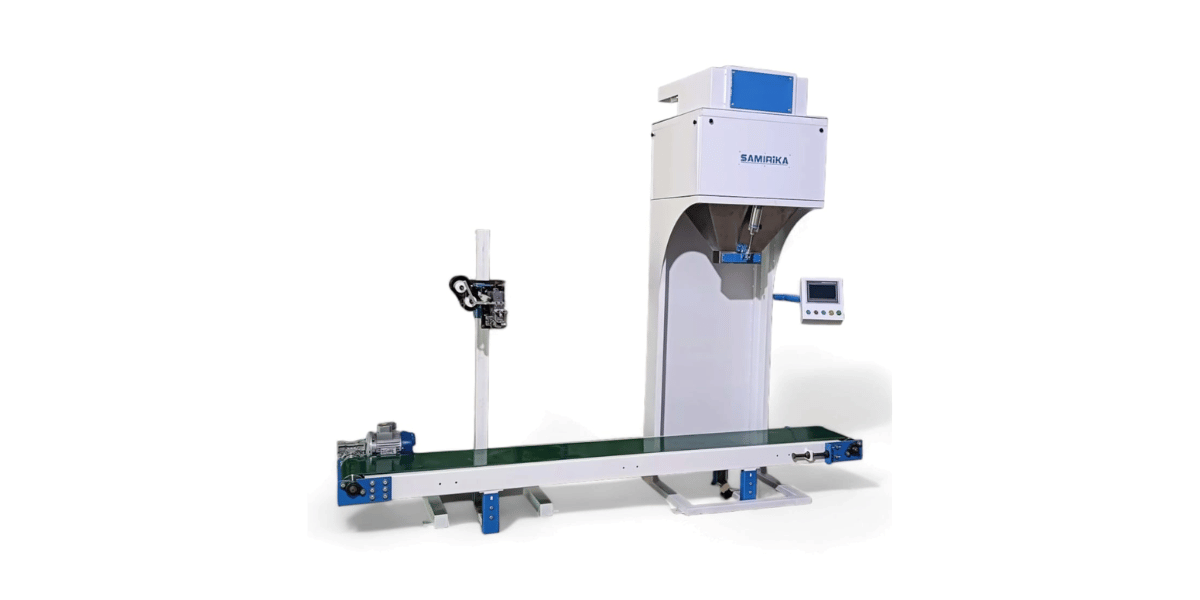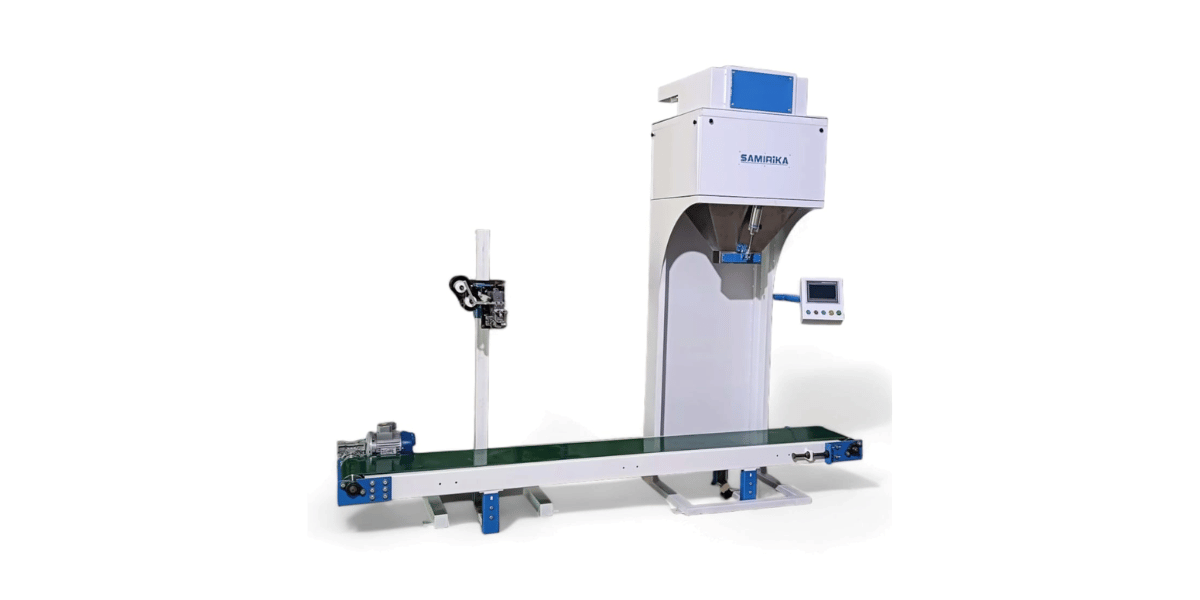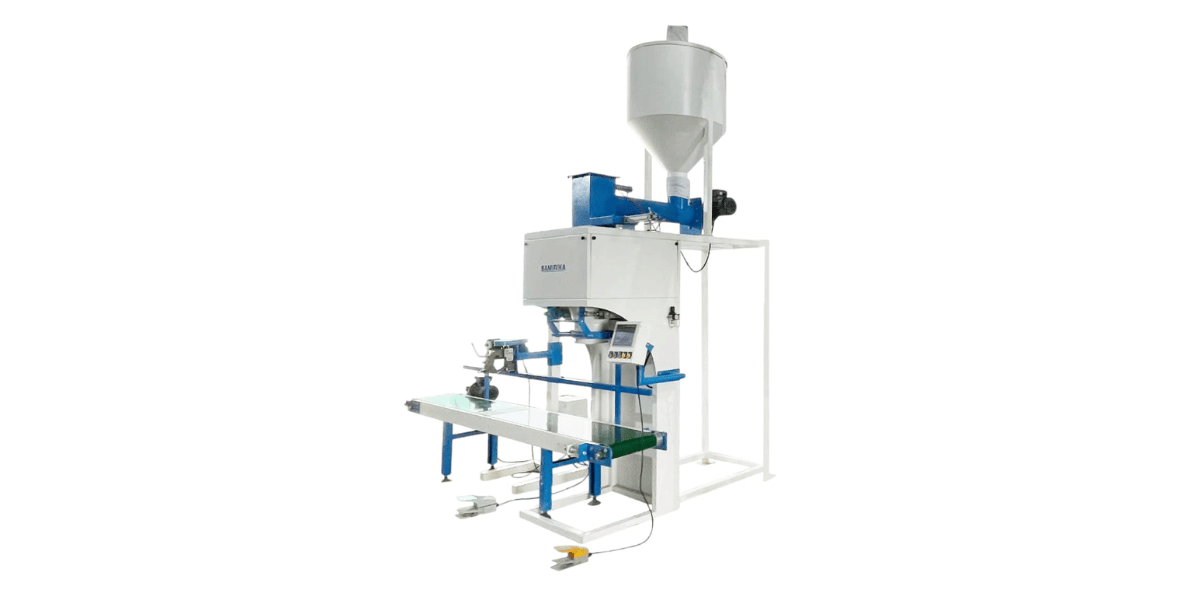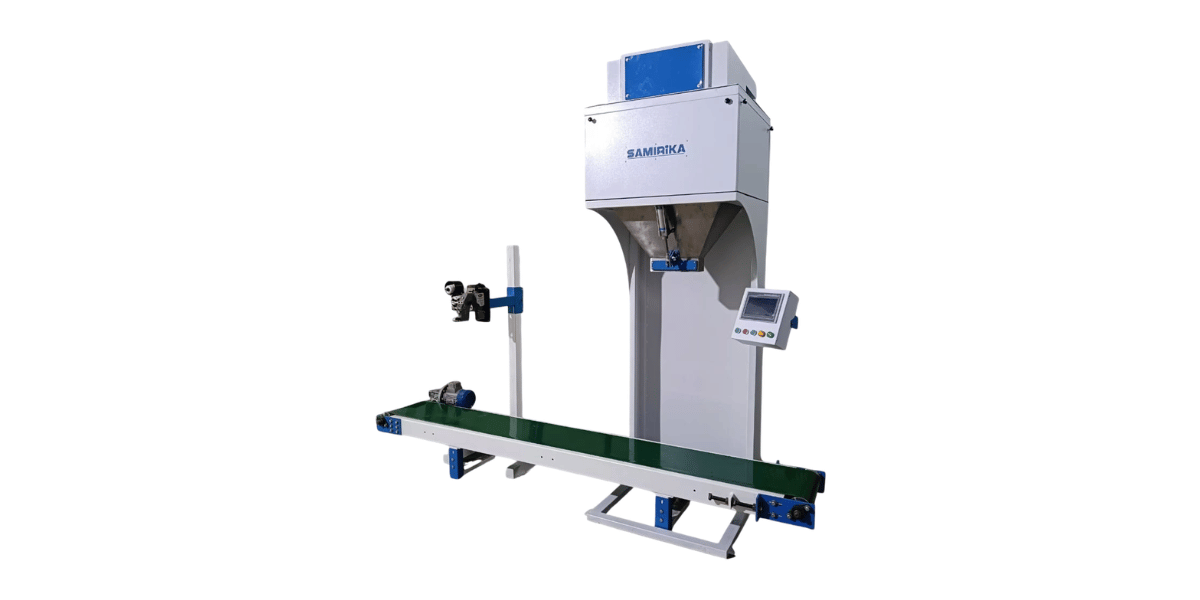
How To Choose Fertilizer Packaging Machine
The efficient and accurate packaging of fertilizers is a cornerstone of operations in the agricultural industry. Choosing the right fertilizer packaging machine directly impacts production speed, product quality, labor costs, and overall profitability. With a variety of machines available, understanding the key features, operational requirements, and your specific production needs is paramount. This guide aims to demystify the selection process, offering insights into making a well-informed decision, particularly when considering advanced material handling and packaging systems.
Understanding the Importance of Fertilizer Packaging Machines
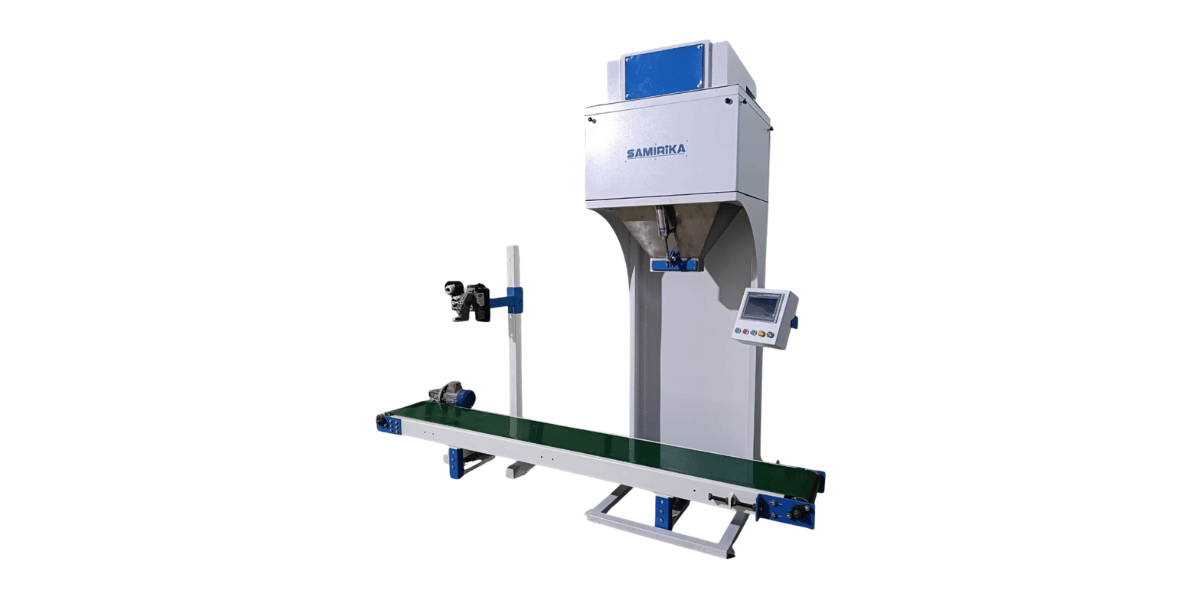
Fertilizers, whether in granular, powder, or pellet form, require precise and secure packaging to maintain their integrity and meet market demands. A robust fertilizer packaging machine ensures that each bag is filled accurately, sealed effectively, and ready for distribution. This not only prevents product loss and contamination but also enhances the operational workflow. For companies like Samirika Industries, which specialize in automated material handling and weighing and bagging systems, providing reliable packaging solutions is key to supporting the agricultural sector's supply chain.
The right machine minimizes manual handling, reduces the risk of repetitive strain injuries for workers, and guarantees consistent bag weights, which is crucial for customer satisfaction and regulatory compliance. Investing in appropriate technology can transform a production line, making it more productive and cost-effective.
Applications and Use Cases of Fertilizer Packaging Machines
Fertilizer packaging machines are designed to handle a range of fertilizer types and packaging formats. The versatility of these machines makes them indispensable across various stages of fertilizer production and distribution.
Granular Fertilizer Packaging
Machines are optimized to handle uniformly sized granules, ensuring accurate filling into pre-made bags or form-fill-seal (FFS) applications.
Powdered Fertilizer Bagging
Specialized fillers, such as auger fillers, are employed to manage fine powders, preventing dust and ensuring precise volumetric or gravimetric dispensing.
Bag Types and Sizes
From small consumer bags to large bulk bags (FIBCs or jumbo bags), machines can be configured to accommodate various dimensions and materials.
Bulk Packaging Solutions
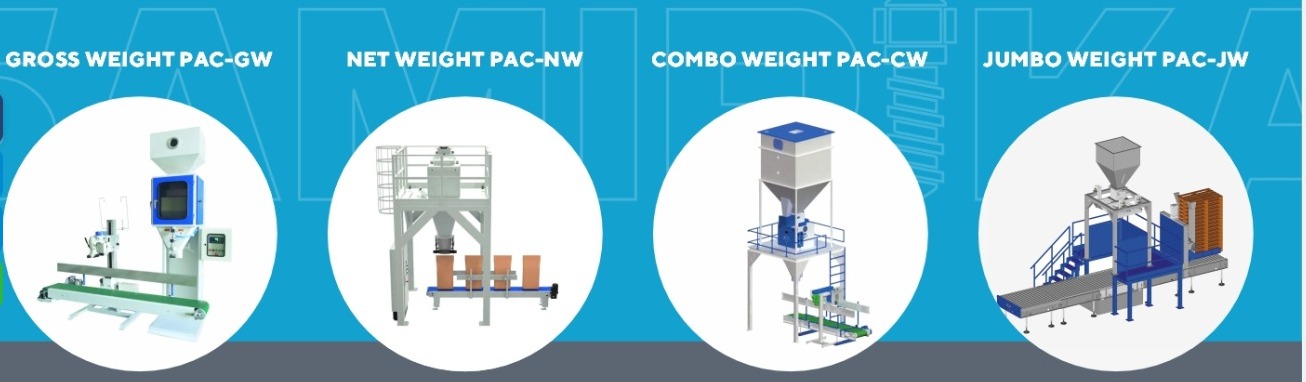
FIBC & Jumbo Bag Packaging Machines are essential for large-scale agricultural operations requiring bulk handling and distribution.
Key Benefits of an Efficient Fertilizer Packaging Machine
Implementing a suitable fertilizer packaging machine offers significant advantages that contribute to a company's bottom line and operational excellence. Samirika Industries focuses on providing solutions that maximize these benefits.
- Increased Production Efficiency: Automated systems significantly speed up the packaging process compared to manual methods, allowing for higher throughput.
- Reduced Labor Costs: Automation minimizes the need for manual labor, leading to substantial cost savings and allowing staff to focus on other critical tasks.
- Enhanced Accuracy and Consistency: Precision weighing and filling mechanisms ensure that each package contains the correct amount of product, reducing overfill and underfill issues.
- Improved Product Integrity: Secure and consistent sealing protects fertilizers from moisture, contamination, and damage during transit and storage.
- Worker Safety: Automation reduces the physical strain and potential hazards associated with manual packaging, creating a safer working environment.
- Versatility: Modern machines can often be adapted to handle different product types and packaging sizes, offering flexibility for evolving market needs.
How To Choose Fertilizer Packaging Machine: A Comprehensive Buyer's Guide
Selecting the optimal fertilizer packaging machine requires careful consideration of several factors to ensure it aligns with your operational requirements, product characteristics, and budget. Here’s a step-by-step approach:
Buyer Insight
Don't just look at the speed; consider the total cost of ownership, including maintenance, spare parts, energy consumption, and the availability of after-sales support. A slightly slower, more reliable machine can be more cost-effective in the long run.
1. Analyze Your Product Characteristics
The type of fertilizer is the most crucial starting point. Is it granular, powdered, pelleted, or a blend? The particle size, flowability, and potential for dust generation will determine the type of filling mechanism needed (e.g., gravimetric for precision, volumetric for speed, auger for powders).
2. Determine Packaging Requirements
What type of bags will you be using? (e.g., open-mouth bags, valve bags, FIBCs/jumbo bags). What are the desired bag weights and dimensions? This influences the machine's design, such as its filling head, bag handling system, and sealing mechanism.
3. Evaluate Required Speed and Throughput
How many bags per minute or hour do you need to produce? Assess your current production volume and anticipate future growth. High-speed requirements might point towards form-fill-seal (FFS) machines or highly automated bagging lines, while lower volumes might be suited for semi-automatic or simpler bag filling machines.
4. Consider Automation Level
Do you need a fully automated system that handles bag filling, sealing, and conveying, or a semi-automatic machine where operators assist in placing bags? Fully automated systems from providers like Samirika Industries offer maximum efficiency and minimal labor input.
5. Accuracy and Precision Needs
For premium fertilizer products or specific market regulations, high weighing accuracy is essential. Gravimetric (weight-based) fillers offer superior accuracy compared to volumetric (volume-based) fillers, though they may be slower.
6. Durability and Reliability
Fertilizer production can be demanding. The machine must be built with robust materials capable of withstanding continuous operation and potentially corrosive environments. Look for manufacturers with a reputation for durable construction.
7. Ease of Operation and Maintenance
The machine should be user-friendly, with an intuitive control interface. Maintenance should be straightforward, with readily available spare parts and clear service documentation. Consider the manufacturer's after-sales support and training services.
8. Integration with Existing Systems
Ensure the new packaging machine can seamlessly integrate with your existing material handling, conveying, and palletizing systems. Solutions from Samirika Industries often focus on providing complete, integrated material handling systems.
9. Budget and Return on Investment (ROI)
While initial cost is a factor, calculate the long-term ROI. Consider savings in labor, reduced product waste, increased output, and improved efficiency. A higher initial investment in a reliable, efficient machine often yields better returns.
Tailored Solutions for Fertilizer Packaging from Samirika Industries
Samirika Industries Pvt Ltd specializes in providing a comprehensive range of material handling systems with full automation, including advanced weighing and bagging systems tailored for various industrial needs. Their expertise covers the supply of specialized machines designed for efficient fertilizer packaging.
Whether your requirement is for granular fertilizer packaging, powdered formulations, or large bulk bags (FIBCs), Samirika Industries offers solutions designed for accuracy, speed, and reliability. Their product portfolio includes robust polymer packaging machines, efficient weighing and bagging machines, and dedicated FIBC & Jumbo Bag Packaging Machines. By integrating these advanced systems, Samirika Industries helps fertilizer producers enhance their packaging operations, reduce operational costs, and ensure product quality and integrity from production to delivery.
Quality Checks and Key Considerations Before Buying
Before finalizing your purchase of a fertilizer packaging machine, it's vital to perform thorough checks and ask pertinent questions:
Pre-Purchase Checklist:
- Manufacturer Reputation: Research the manufacturer's track record, customer reviews, and after-sales support capabilities.
- Machine Demonstration: If possible, request a demonstration of the machine running with your specific product or a similar one.
- Spare Parts Availability: Confirm that essential spare parts are readily available and their lead times.
- Service and Support: Understand the warranty period, available technical support, and response times for service calls.
- Customization Options: Discuss potential customizations to meet unique product or line requirements.
Frequently Asked Questions About Fertilizer Packaging Machines
What is the difference between volumetric and gravimetric fillers for fertilizer packaging?
Volumetric fillers measure product by volume, offering faster speeds but potentially less accuracy, especially with varying product densities. Gravimetric fillers measure by weight, providing higher accuracy and consistency, which is crucial for precise fertilizer dosing, although typically at a slower rate.
Can a single machine handle both granular and powdered fertilizers?
Some versatile machines can be adapted with different filling heads or adjustments. However, machines specifically designed for powders (to manage dust and flow) or granules (for free-flowing materials) often perform best. It's advisable to consult with the manufacturer about a machine's flexibility for your specific product types.
What are the common issues with fertilizer packaging machines, and how can they be avoided?
Common issues include dust accumulation, bridging of product in hoppers, inconsistent bag filling, and sealing failures. These can be avoided through regular cleaning and maintenance, using machines with features designed to handle sticky or dusty products, and ensuring proper operator training.
How important is automation in fertilizer packaging?
Automation is highly important for efficiency, accuracy, and cost reduction in fertilizer packaging. It minimizes manual labor, ensures consistent results, and allows for higher production throughput, which is essential for meeting market demands.
Ready to Optimize Your Fertilizer Packaging Process?
Selecting the right fertilizer packaging machine is a critical investment for your business. Samirika Industries offers a wide range of automated material handling and packaging solutions designed to enhance efficiency, accuracy, and profitability. Contact us today to discuss your specific needs and explore how our advanced weighing and bagging systems can elevate your fertilizer packaging operations.
Get a Custom Packaging Solution