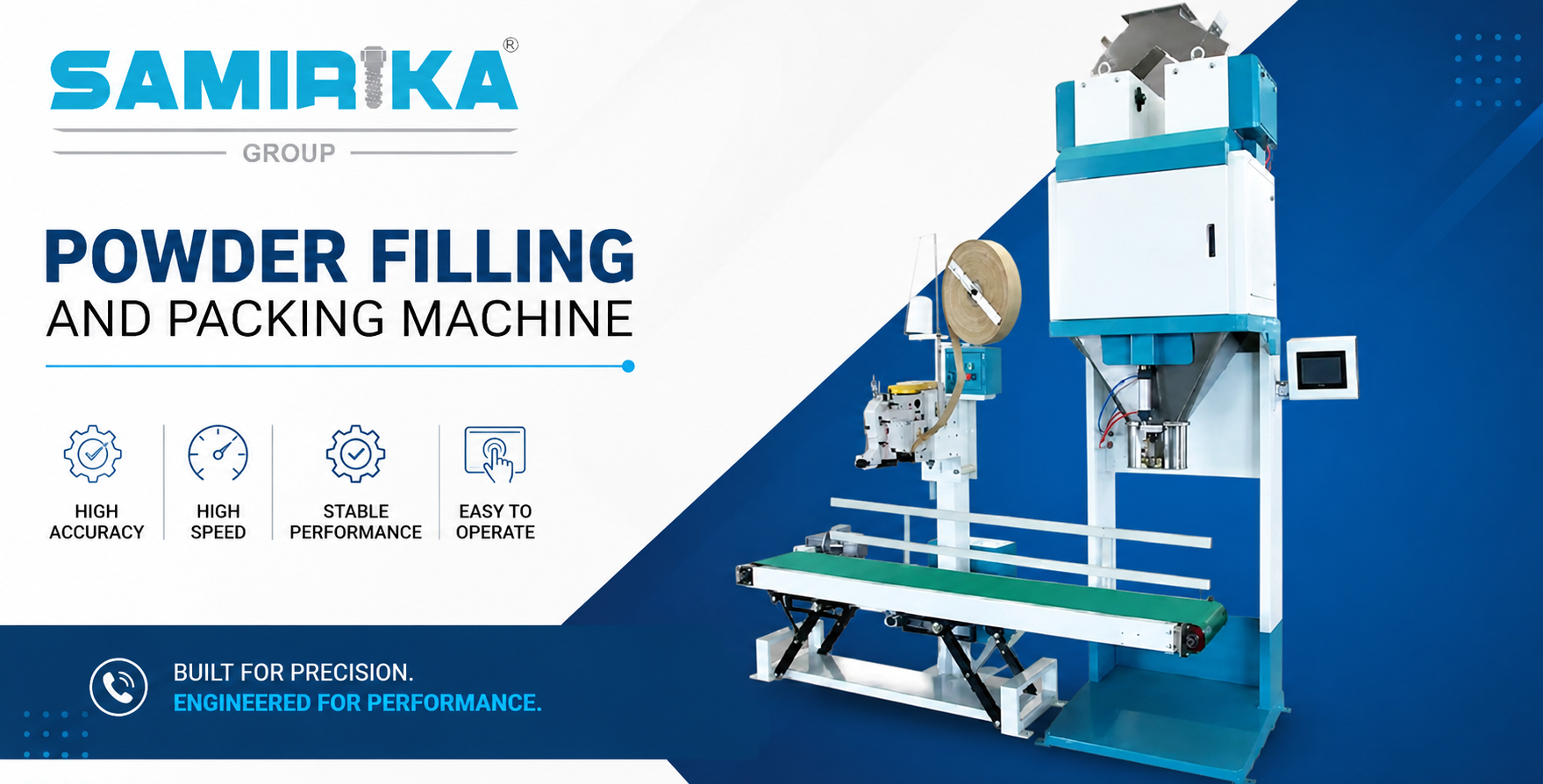
Powder Filling And Packing Machine
Expert insights on powder filling and packing machines in Ahmedabad. Discover features, applications, and how Samirika Industries delivers reliable solutions fo
What is a Powder Filling and Packing Machine? — Overview
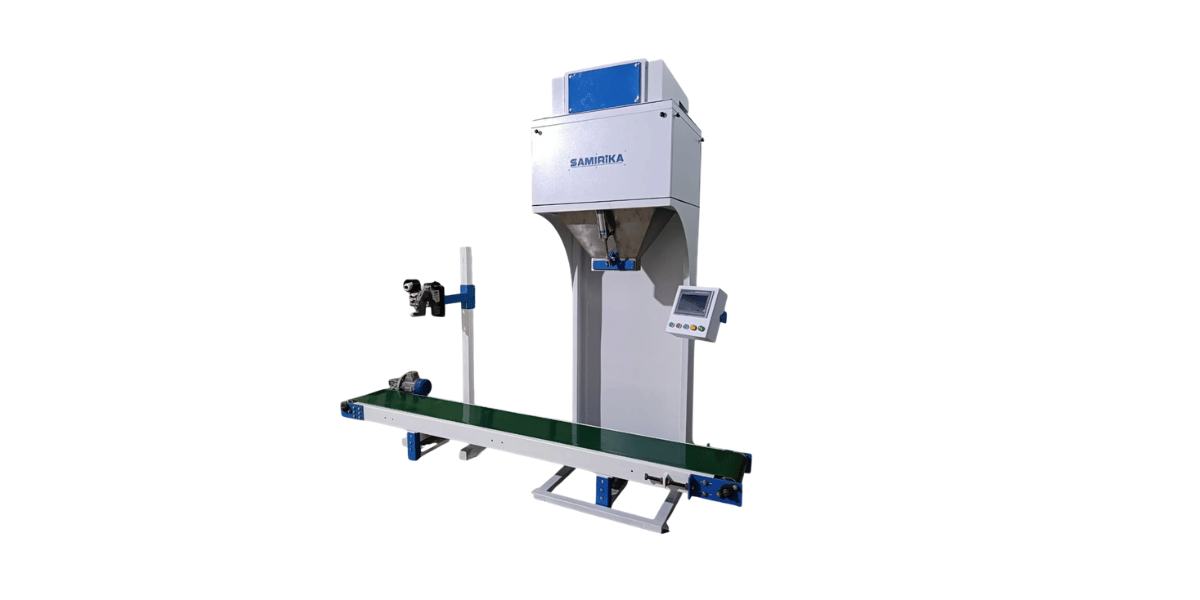
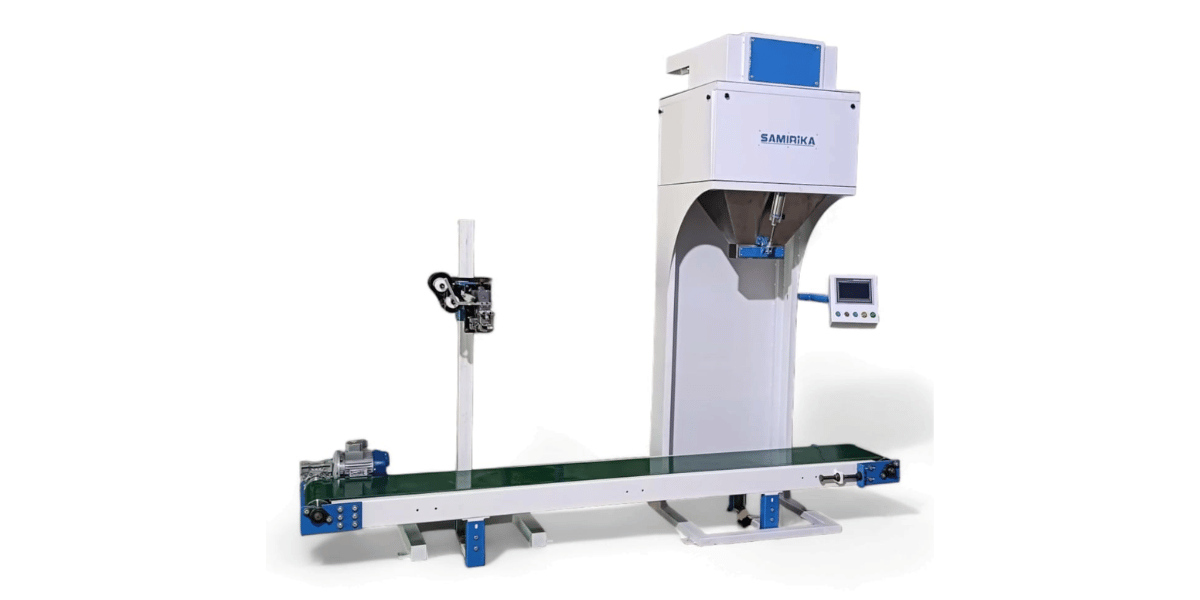
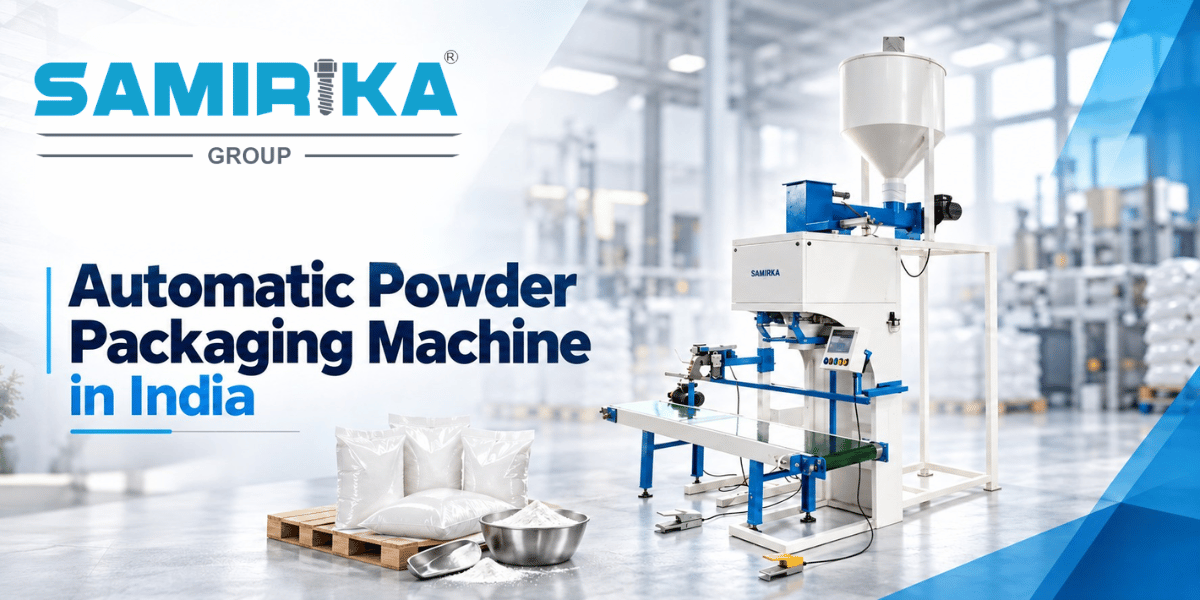
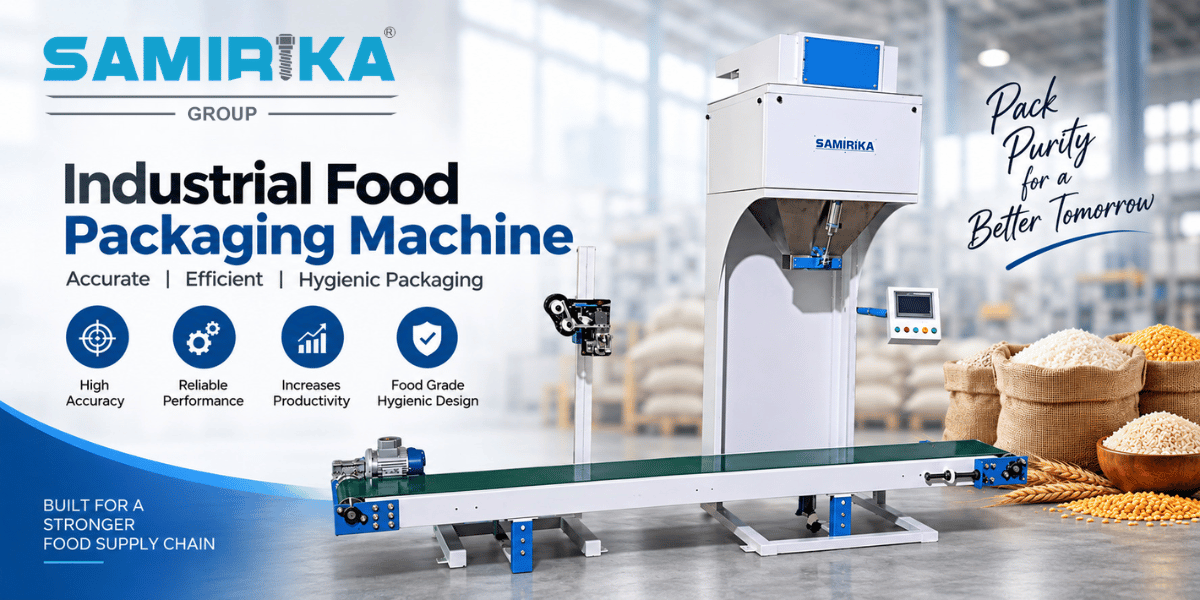
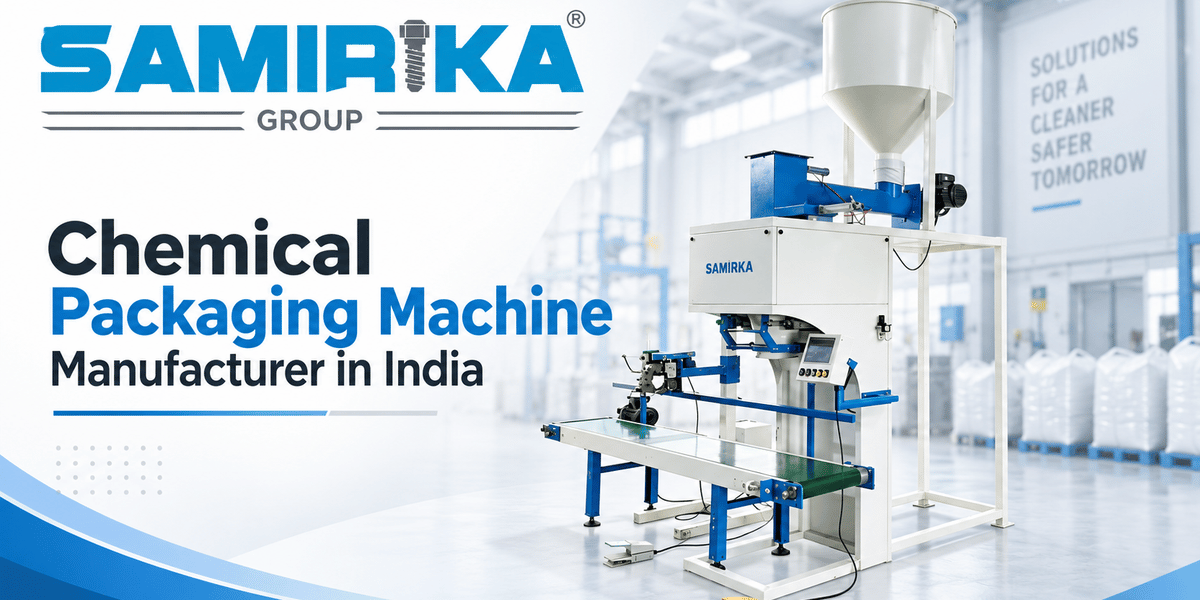
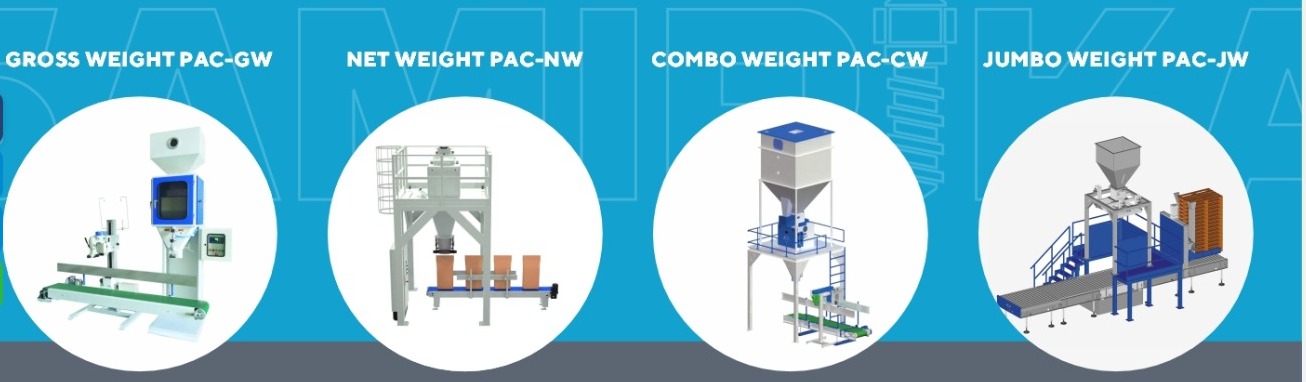
A powder filling and packing machine is an automated or semi-automated system designed to accurately dispense and seal powdered or granular substances into various types of packaging. These machines typically consist of a filling mechanism, a packaging material handling system, and a sealing unit. The filling mechanism, often employing auger fillers, volumetric cups, or gravimetric systems, precisely measures the required amount of powder. The packaging material, such as bags, pouches, or containers, is then presented to the machine, filled, and subsequently sealed to ensure product protection and shelf life.
Key Features and Technical Specifications
- Filling Accuracy: Utilizes auger, volumetric, or gravimetric filling systems for precise dosage control, minimizing product giveaway.
- Speed and Capacity: Offers variable speed settings to match production demands, ranging from semi-automatic to high-speed fully automatic operations.
- Material Compatibility: Designed to handle a wide range of powders, from fine, free-flowing powders to sticky or cohesive materials.
- Packaging Versatility: Capable of filling and sealing various packaging formats including pre-made bags, pouches, jars, and bottles.
- Control System: Features user-friendly PLC (Programmable Logic Controller) interfaces with touch screen displays for easy operation and parameter adjustment.
- Construction Material: Typically built with stainless steel (e.g., SS304 or SS316) for hygiene, durability, and resistance to corrosion.
- Dust Control: Integrated dust collection systems to maintain a clean working environment and prevent product loss.
- Safety Features: Equipped with emergency stop buttons, safety guards, and interlocks to ensure operator safety.
Industrial Applications and Use Cases
- Food Industry: Packaging of spices, flour, sugar, coffee, milk powder, and baking mixes.
- Pharmaceuticals: Filling of powders for medicines, supplements, and active pharmaceutical ingredients (APIs) under strict hygienic conditions.
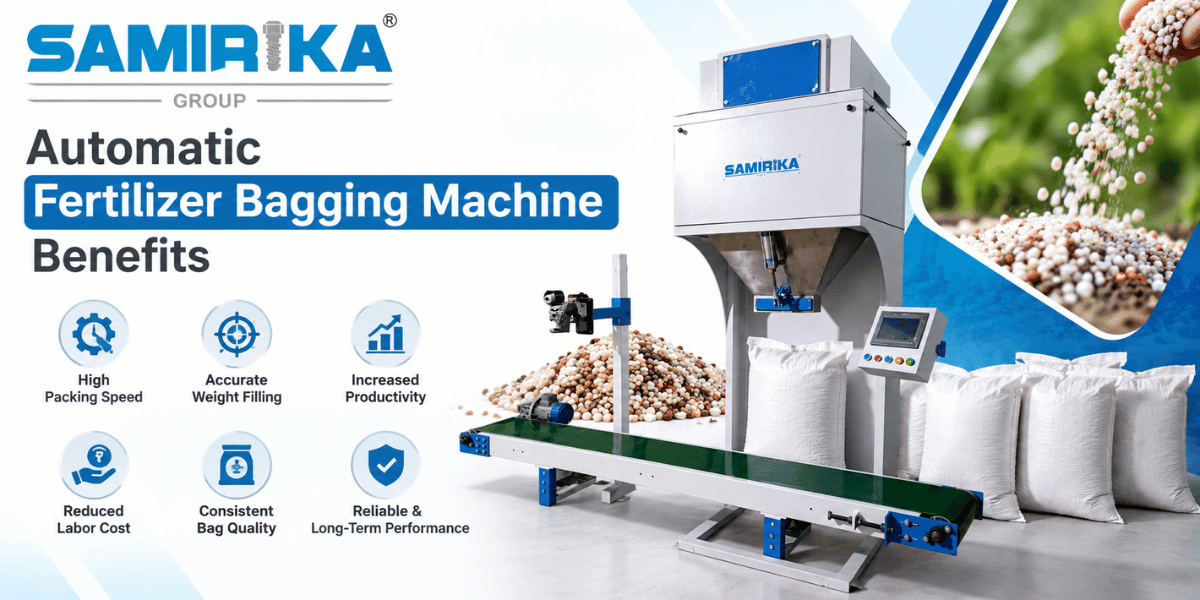
- Chemicals: Packaging of detergents, pigments, dyes, fertilizers, and other chemical powders.
- Agrochemicals: Filling of pesticides, herbicides, and soil conditioners in powder form.
- Cosmetics: Packaging of talcum powder, face masks, and other cosmetic powders.
- Construction: Filling of cement, plaster, and other powdered building materials.
How to Choose the Right Powder Filling and Packing Machine
Selecting the appropriate powder filling and packing machine requires careful consideration of several factors to ensure it meets your specific operational needs and product requirements.
- Product Characteristics: Assess the flowability, density, particle size, and stickiness of the powder you intend to package.
- Production Volume: Determine your required output rate (bags per minute/hour) to match the machine's capacity.
- Packaging Type and Size: Identify the specific type of packaging (bags, pouches, containers) and the desired fill volumes.
- Accuracy Requirements: Consider the acceptable tolerance for fill weight or volume, especially for high-value or regulated products.
- Automation Level: Decide between semi-automatic machines for lower volumes or fully automatic systems for high-throughput operations.
- Hygiene and Compliance: Ensure the machine meets relevant industry standards (e.g., food-grade, pharmaceutical-grade) and is easy to clean.
- Supplier Support: Evaluate the manufacturer's reputation, after-sales service, spare parts availability, and technical expertise.
- Customization Needs: Determine if the machine requires specific modifications to accommodate unique product or packaging challenges.
Quality Standards and Compliance
For powder filling and packing machines, adherence to quality standards and regulatory compliance is non-negotiable, especially in sectors like pharmaceuticals and food. Buyers should look for machines constructed from food-grade or pharmaceutical-grade stainless steel (e.g., SS304 or SS316) to prevent contamination and ensure hygiene. Compliance with standards like GMP (Good Manufacturing Practices) is essential for pharmaceutical applications. Machines should also be designed for easy cleaning and maintenance, often incorporating features that facilitate quick disassembly and sanitization. Verifying that the manufacturer has robust quality control processes in place during manufacturing is key to ensuring the machine's reliability and longevity.
Why Samirika Industries' Experience and Capability Matters
With over 12 years of experience in material handling and automation, Samirika Industries Pvt. Ltd. brings a deep understanding of industrial packaging challenges to businesses in Ahmedabad and beyond. Our manufacturing process is guided by a commitment to quality and precision, ensuring each powder filling and packing machine is built to perform reliably under demanding conditions. Our technical team possesses extensive expertise in designing and implementing automated solutions tailored to specific client needs.
We focus on robust engineering, utilizing high-quality components and materials to deliver durable and efficient machines. Our quality control measures are integrated throughout the production cycle, from design to final testing. Samirika Industries is adept at providing customized solutions, working closely with clients to develop machines that precisely match their unique product and packaging requirements. This dedication to capability and customer-centric approach ensures that our clients receive not just a machine, but a comprehensive solution that enhances their operational efficiency and product quality.
Installation, Maintenance, and Care Tips
Proper installation, regular maintenance, and careful operation are vital for the longevity and optimal performance of your powder filling and packing machine.
- Installation: Ensure the machine is installed on a stable, level surface in a clean environment. Connect all utilities (power, compressed air if applicable) according to the manufacturer's specifications. Calibrate the filling system accurately before initial operation.
- Daily Checks: Before starting production, visually inspect the machine for any loose parts, leaks, or damage. Check the hopper for sufficient product and ensure all safety guards are in place.
- Cleaning: Implement a strict cleaning schedule, especially for food and pharmaceutical applications. Disassemble and clean filling parts, hoppers, and contact surfaces regularly using approved cleaning agents. Ensure the machine is thoroughly dried before reassembly.
- Lubrication: Follow the manufacturer's recommended lubrication schedule for all moving parts to ensure smooth operation and prevent wear.
- Calibration: Periodically re-calibrate the filling system to maintain accuracy, especially after significant cleaning or product changeovers.
- Preventive Maintenance: Schedule regular preventive maintenance checks with qualified technicians to identify and address potential issues before they lead to breakdowns. Keep a log of all maintenance activities.
- Operator Training: Ensure all operators are thoroughly trained on the machine's operation, safety procedures, and basic maintenance tasks.
Frequently Asked Questions
Our powder filling and packing machines are designed to handle a wide spectrum of powders, including free-flowing granular materials like sugar and salt, as well as cohesive or sticky powders such as milk powder or certain chemical compounds. We can customize filling mechanisms to suit specific product characteristics.
The accuracy of our machines depends on the chosen filling technology (auger, volumetric, gravimetric) and the product's characteristics. Typically, our machines offer high accuracy with minimal deviation, often within ±0.5% to ±2% of the target fill weight, ensuring product consistency and reducing waste.
Yes, our machines are versatile and can be configured to handle various bag sizes, types (e.g., pillow bags, gusseted bags, stand-up pouches), and materials. We can provide solutions for pre-made bags or form-fill-seal (FFS) applications based on your requirements.
Production speed varies significantly based on the machine model, automation level, and the product being filled. Our semi-automatic machines might operate at 10-20 packs per minute, while fully automatic high-speed systems can achieve speeds of 50-100 packs per minute or more.
Samirika Industries provides comprehensive after-sales support, including installation assistance, operator training, preventive maintenance services, and readily available spare parts. Our technical team is accessible to address any operational queries or service needs promptly.
We design machines with industry-specific hygiene requirements in mind. For food and pharmaceutical applications, we use food-grade stainless steel, ensure easy-to-clean designs, and can incorporate features like CIP (Clean-In-Place) systems or specialized sealing technologies to meet stringent regulatory standards.
Conclusion
For businesses in Ahmedabad looking to enhance their powder packaging operations, investing in a reliable powder filling and packing machine is a strategic move towards increased efficiency, accuracy, and product quality. The right machine not only streamlines production but also ensures product integrity and compliance with industry standards. Considering factors such as product type, required output, packaging format, and the supplier's expertise is crucial. Samirika Industries is committed to providing robust, customized, and efficient powder filling and packing solutions, backed by years of experience and a dedication to customer satisfaction.
Get In Touch
Samirika Industries