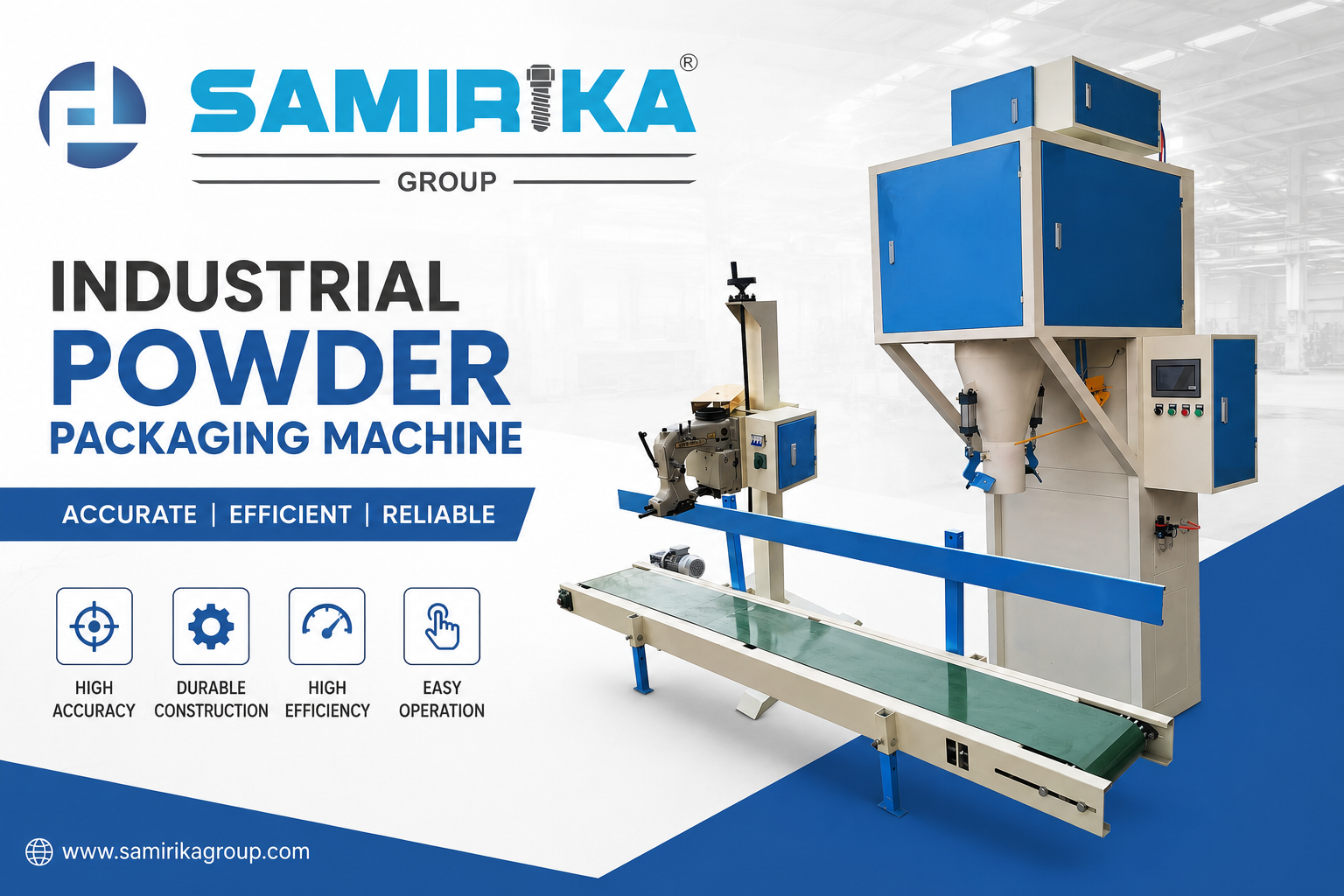
Industrial Powder Packaging Machine
Improve your facility's efficiency with reliable industrial powder packaging machine systems. Expert insights on selection, integration, and maintenance.
Why This Matters in Industrial Manufacturing
Modern production facilities face increasing pressure to maintain high output rates while minimizing product waste and human error. In regions with a high concentration of manufacturing hubs, the ability to scale operations depends heavily on the reliability of downstream equipment. An industrial powder packaging machine serves as the critical link between processing and logistics. When these systems are calibrated correctly, they reduce the risk of cross-contamination and ensure that every bag meets strict weight requirements, which is essential for maintaining regulatory compliance and customer trust.
What is an Industrial Powder Packaging Machine — Overview
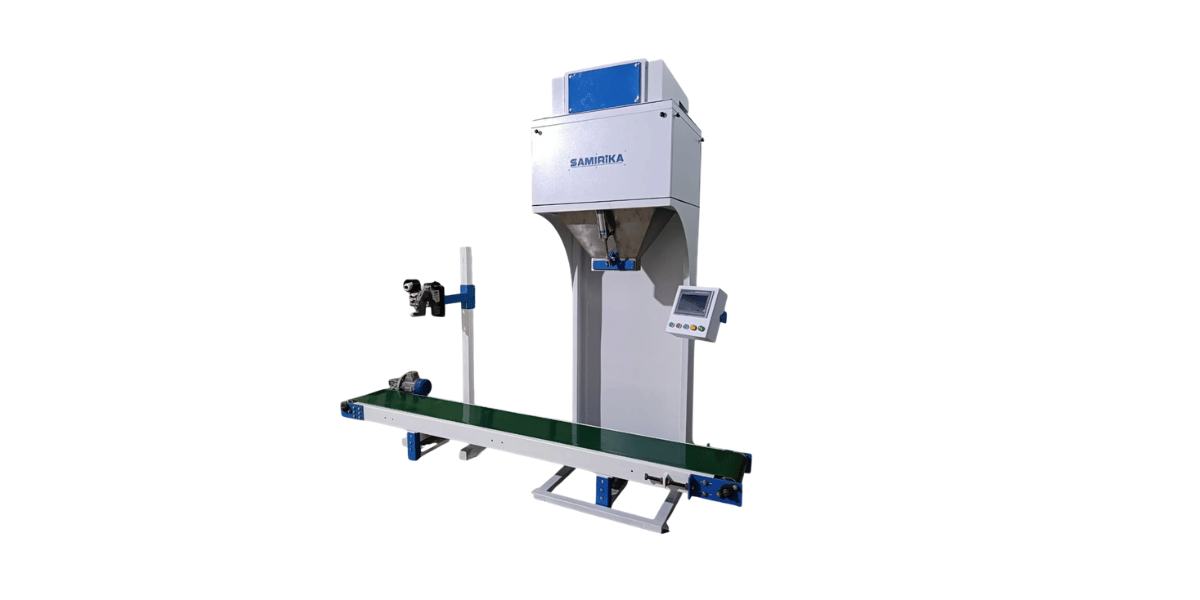
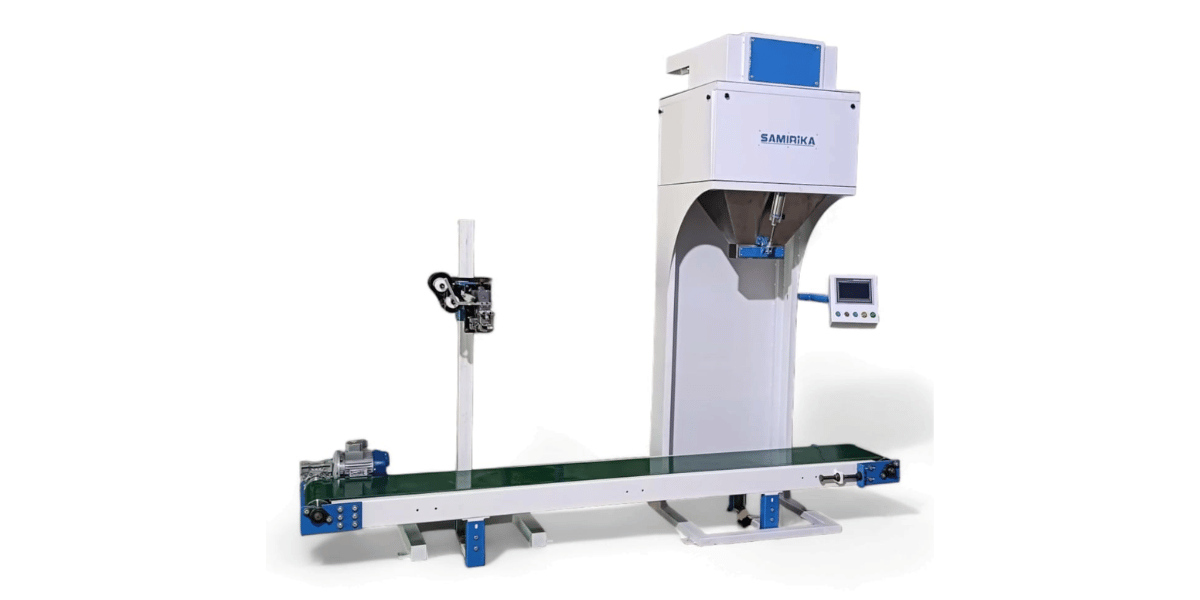
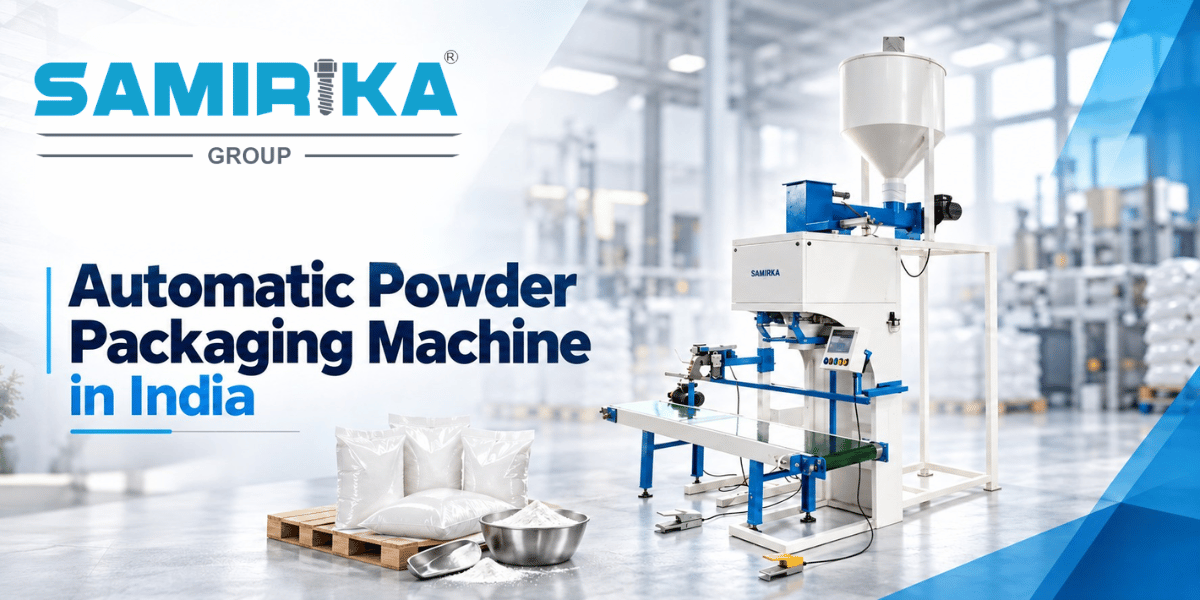
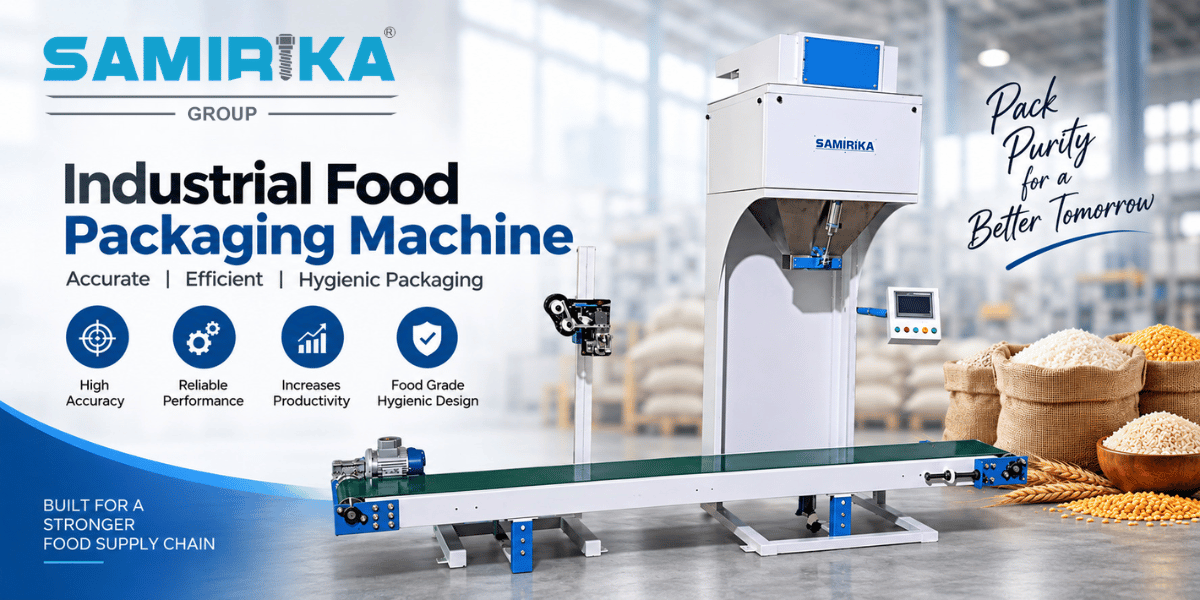
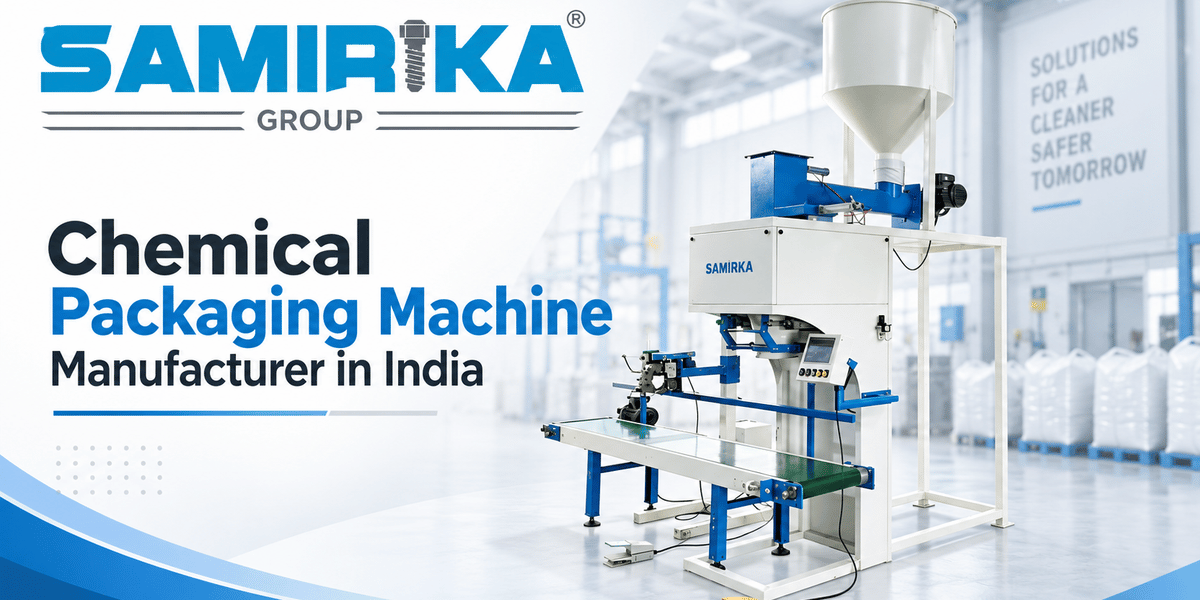
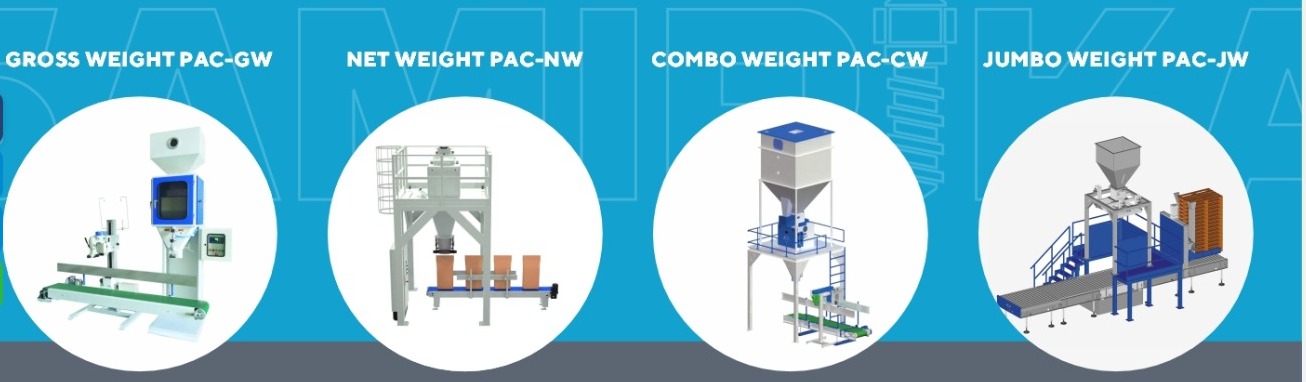
An industrial powder packaging machine is a specialized system designed to dispense, weigh, and seal granular or powdered substances into containers or bags. These machines typically utilize auger fillers, gravity-fed systems, or pneumatic controls to move material from a hopper into a bag with high precision. Modern units are often microprocessor-controlled, allowing operators to adjust fill weights and cycle times through a digital interface. By automating the filling process, these machines eliminate the inconsistencies associated with manual scooping or weighing, providing a stable and repeatable packaging cycle that can operate continuously throughout a shift.
Key Features and Technical Specifications
Microprocessor-based control systems for real-time weight monitoring and adjustment.
Dust-tight construction to prevent material leakage and maintain a clean work environment.
High-precision load cells integrated into the weighing mechanism for accurate fill tolerances.
Modular design allowing for integration with conveyors, stitching machines, and bag placers.
Pneumatic slide gates and diverter valves for controlled material flow from silos or hoppers.
Adjustable sealing and stitching heads to accommodate various bag materials and sizes.
Emergency stop protocols and safety interlocks for operator protection during operation.
Industrial Applications and Use Cases
Chemical manufacturing plants requiring precise dosing of hazardous or fine-grained powders.
Food processing facilities packaging flour, spices, or powdered additives under hygienic conditions.
Construction material suppliers handling cement, gypsum, or dry mortar mixes in high volumes.
Agricultural feed production lines that need to package mineral supplements and vitamin premixes.
Plastic and polymer manufacturing sectors where resin pellets or additive powders require consistent bag filling.
How to Choose the Right Industrial Powder Packaging Machine
Selecting the appropriate equipment requires a clear understanding of your material’s flow characteristics and your facility's volume requirements. Before finalizing a purchase, evaluate the following criteria:
- Material flowability: Determine if your powder is free-flowing or cohesive, as this dictates whether you need an auger filler or a gravity-fed system.
- Throughput capacity: Calculate the number of bags per hour required to meet your production targets.
- Bag material compatibility: Ensure the sealing or stitching mechanism is compatible with your chosen packaging, such as woven polypropylene, paper, or plastic.
- Automation level: Assess whether you need a standalone unit or a fully integrated system that includes automatic bag placers and check weighers.
- After-sales support: Verify that the supplier provides technical assistance, spare parts availability, and maintenance training for your onsite team.
Quality Standards and Compliance
Operating an industrial powder packaging machine requires adherence to strict quality standards to ensure safety and product integrity. Buyers should prioritize equipment that complies with relevant electrical and mechanical safety regulations, such as IEC standards for control panels and IS standards for industrial machinery. Verification of build quality—specifically the use of food-grade stainless steel in contact parts—is essential for industries where hygiene is a priority. Before commissioning, ensure the machine has undergone rigorous testing for weight accuracy and seal integrity to prevent product loss during transit.
Why Company Experience and Capability Matters
The effectiveness of an automated packaging line is rarely determined by the hardware alone; it is the result of the engineering expertise behind the integration. Samirika Industries brings over 12 years of experience to the design and implementation of material handling systems. This depth of experience allows for the customization of machines to fit specific factory layouts, ensuring that the equipment works in harmony with existing silos, conveyors, and truck loaders. A focus on robust manufacturing processes and reliable quality control ensures that the systems provided are built to withstand the rigors of continuous industrial use.
Installation, Maintenance and Care Tips
Proper installation is the foundation of a long service life for any packaging system. Ensure the machine is placed on a level, vibration-free surface to maintain the accuracy of the load cells. Regular maintenance schedules are equally critical to prevent downtime.
- Daily: Clean the filling nozzle and sealing jaws to prevent material buildup that could affect seal quality.
- Weekly: Inspect pneumatic lines for leaks and ensure that all sensors are free from dust accumulation.
- Monthly: Calibrate the weighing system using certified test weights to ensure ongoing accuracy.
- Quarterly: Check all moving parts, such as conveyor belts and drive motors, for signs of wear and lubricate according to the manufacturer's specifications.
Frequently Asked Questions
The machine uses specific feeding mechanisms tailored to the powder's density and flow characteristics. For instance, free-flowing powders are typically handled via gravity or vibratory feeders, while cohesive or non-free-flowing powders often require auger-based systems to ensure consistent movement. By adjusting the feed rate and vibration settings, the machine maintains accuracy regardless of the material's physical properties.
A check weigher acts as a quality control gate at the end of the packaging process. It automatically weighs each filled bag and compares it against the target weight. If a bag is under or over the specified limit, the system triggers a rejection mechanism to remove it from the line, ensuring that only correctly filled products reach the final shipping stage.
Yes, these systems are designed for modular integration. Whether you are using existing silos, hoppers, or belt conveyors, the packaging machine can be interfaced with your current infrastructure. This often involves installing pneumatic slide gates or diverter valves to control the flow of material from the storage unit directly into the packaging machine’s feed hopper.
Maintaining accuracy requires regular calibration using certified weights to verify that the load cells are functioning correctly. Additionally, keeping the weighing area free of dust and debris is vital, as accumulation can interfere with the sensitivity of the sensors. Routine inspection of the electrical connections and the microprocessor controller also helps prevent drift in measurement over time.
Most industrial packaging machines offer a degree of flexibility in bag sizing. By adjusting the sealing jaws and the bag-forming assembly, you can accommodate various bag dimensions. However, if your production requires frequent changes between significantly different bag sizes, it is important to discuss these requirements during the initial design phase to ensure the machine is equipped with quick-change tooling.
Dust control is managed through enclosed filling heads and vacuum extraction systems. By creating a sealed environment around the bag mouth during the filling cycle, the machine prevents fine particles from escaping into the facility air. This not only keeps the workspace cleaner but also helps in meeting health and safety standards regarding airborne particulates in manufacturing environments.
Conclusion
Investing in an industrial powder packaging machine is a strategic decision that impacts the efficiency and reliability of your entire production line. By focusing on the specific needs of your material, the required throughput, and the quality of the engineering support, you can build a system that serves your facility for years. Prioritizing robust design, regular maintenance, and proper integration will ensure that your packaging process remains a strength of your operation. Samirika Industries remains committed to providing the technical expertise and equipment necessary to support these goals.
Get In Touch
Samirika Industries