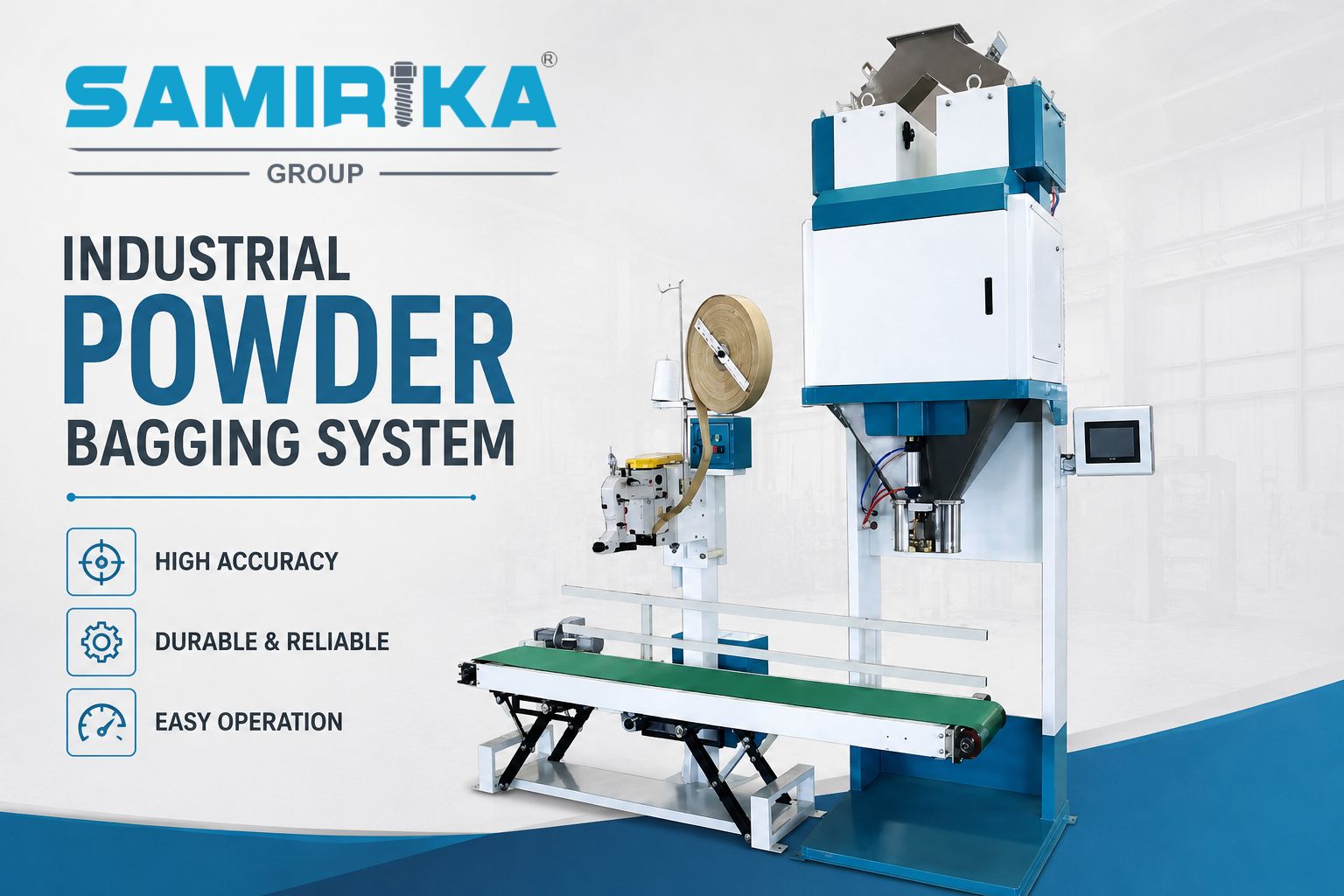
Industrial Powder Bagging System
Discover efficient industrial powder bagging systems designed for accuracy and speed. Learn about applications, features, and choosing the right solution from S
Why This Matters in Manufacturing Hubs
In bustling industrial areas, the demand for high-throughput, reliable packaging solutions is constant. Industries such as chemicals, food processing, pharmaceuticals, and agriculture rely heavily on the accurate and safe containment of powdered products. Efficient material handling systems, including robust industrial powder bagging systems, are vital for maintaining supply chain integrity and meeting market demands. Investing in such automation directly supports the operational backbone of these sectors, ensuring that production lines can operate at optimal capacity without bottlenecks.
What is an Industrial Powder Bagging System — Overview
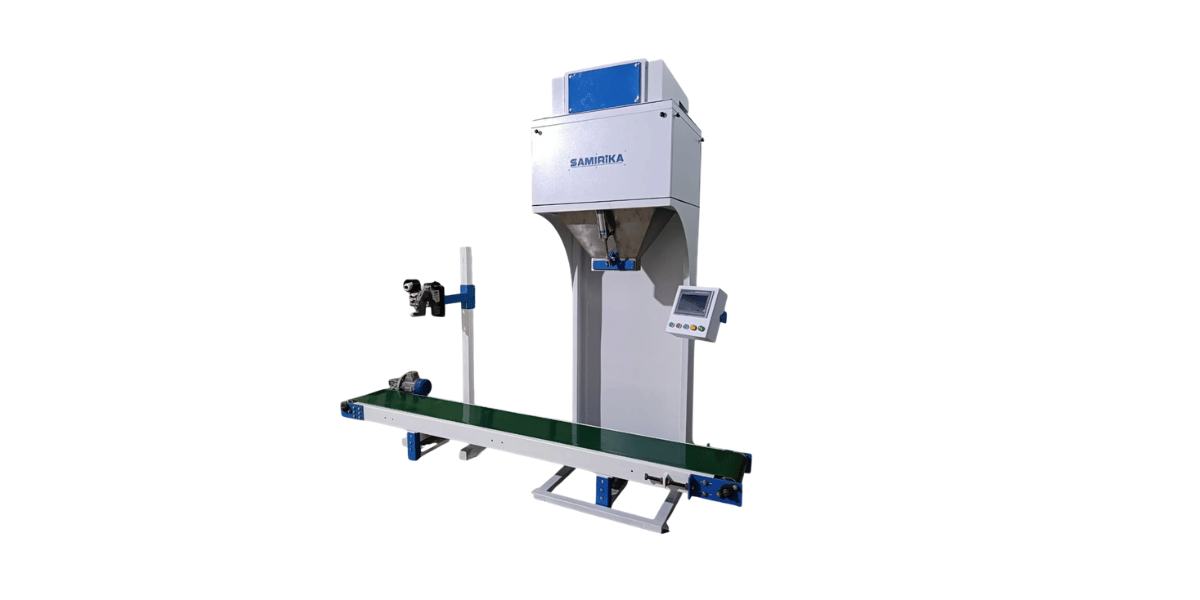
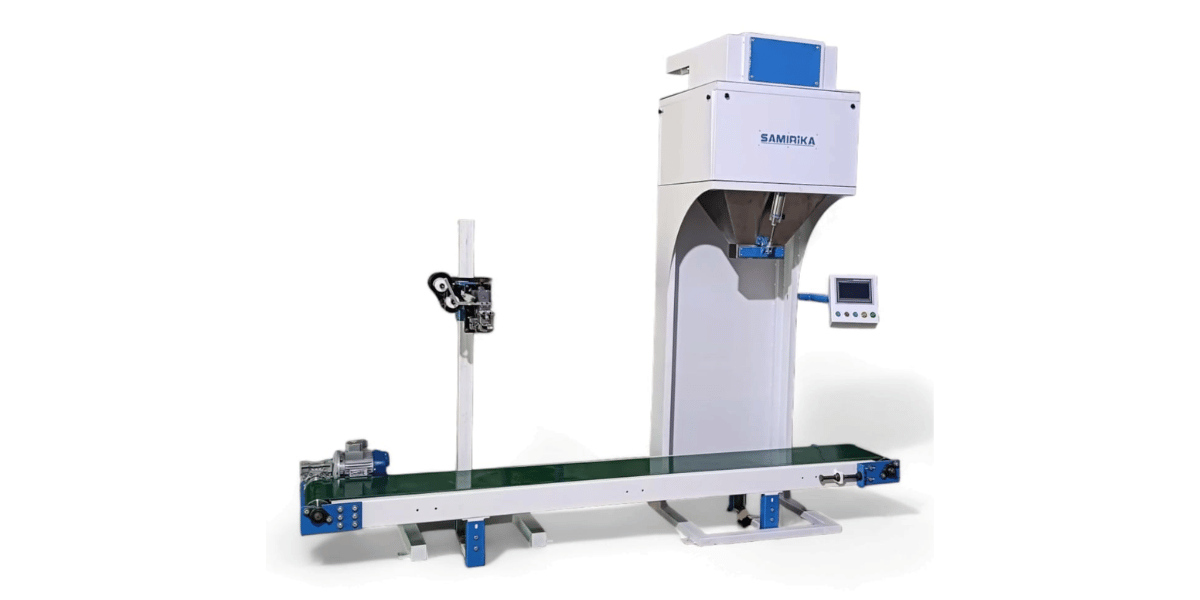
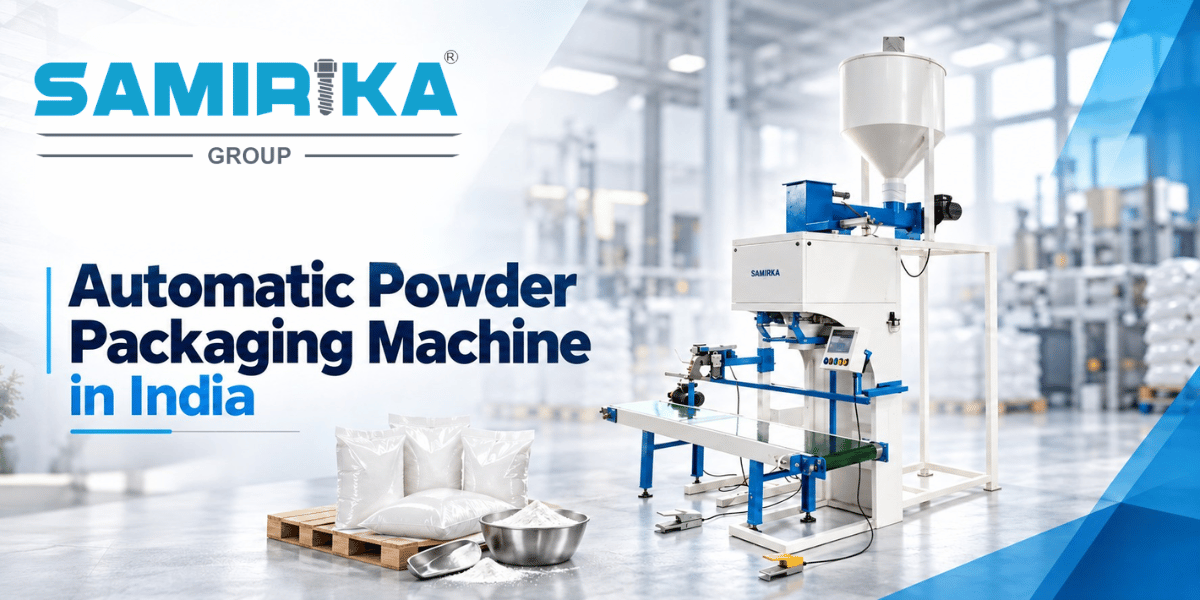
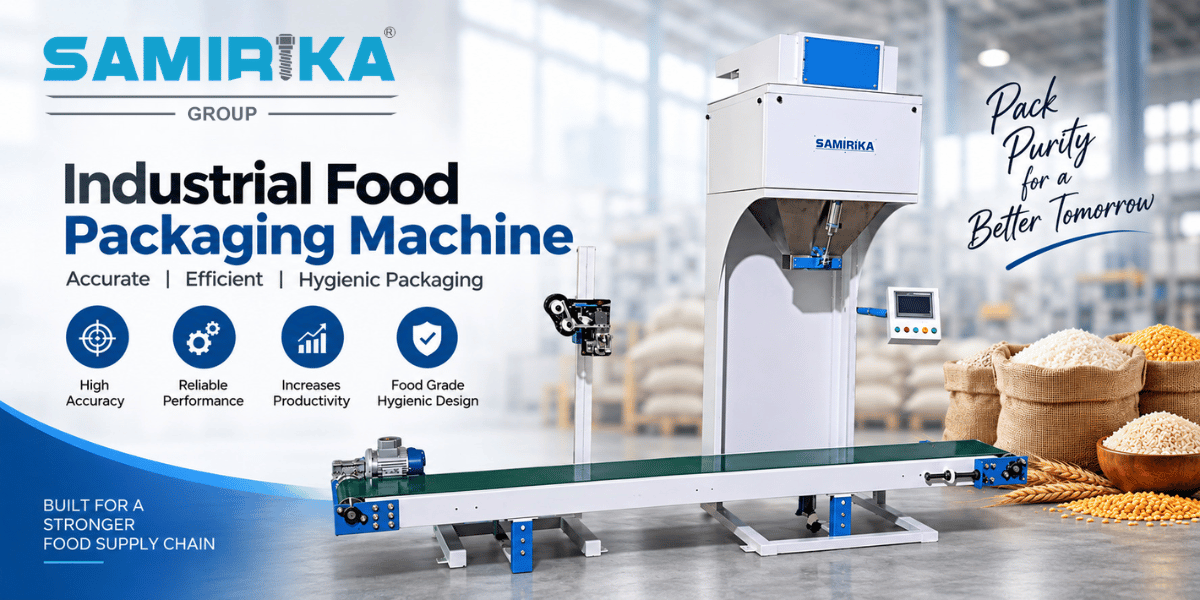
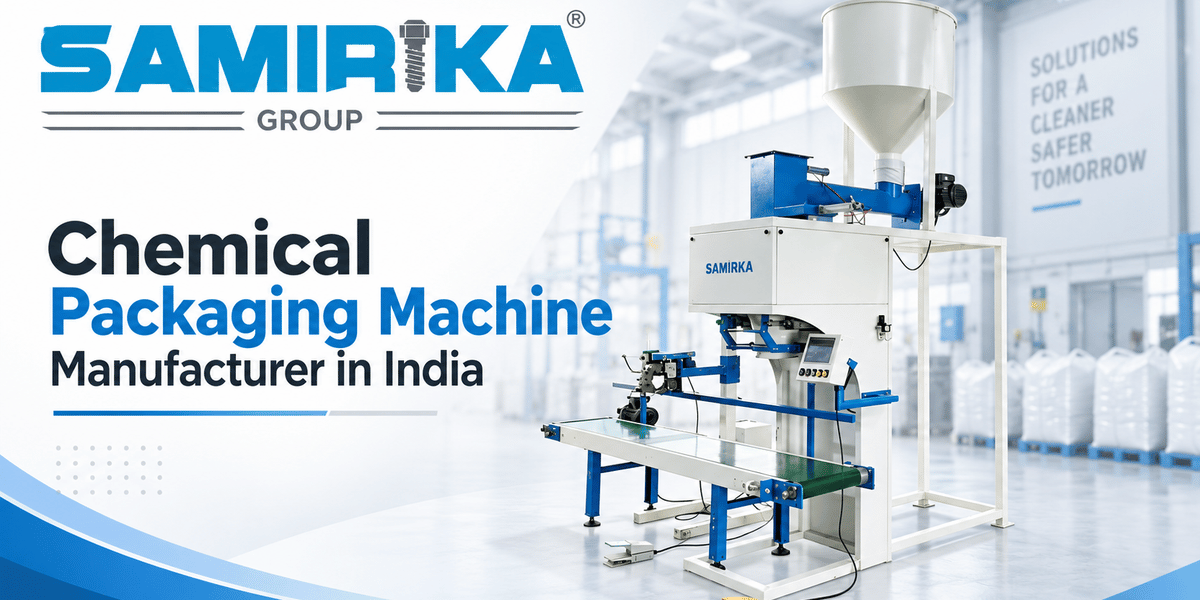
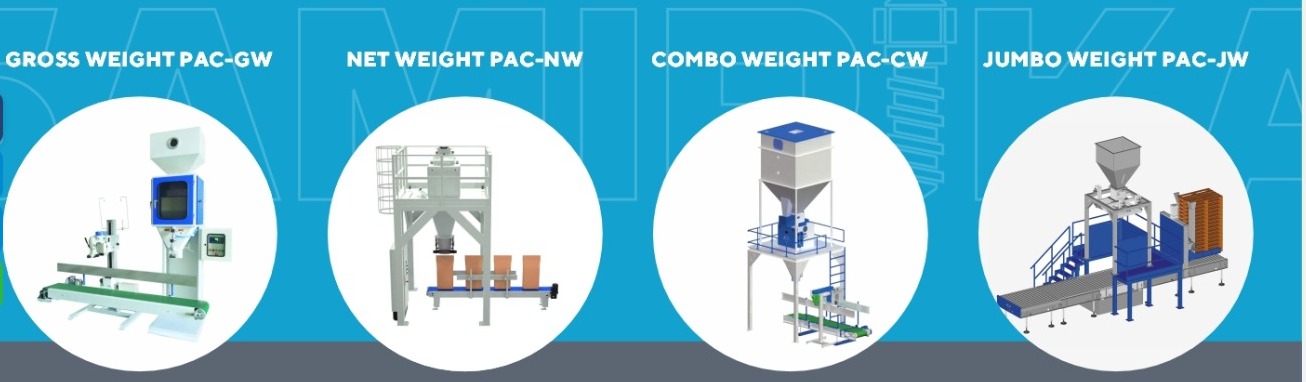
An industrial powder bagging system is an automated or semi-automated machine designed to accurately fill pre-made bags or form-fill-seal bags with powdered materials. These systems typically integrate weighing mechanisms, filling spouts, bag handling devices, and sealing or stitching equipment. The core function is to dispense a precise amount of powder into a bag, ensuring consistent weight and volume with minimal product loss or spillage. Modern systems often feature microprocessor-based controllers for precise adjustments and operational monitoring.
Key Features and Technical Specifications
- Microprocessor-Based Control: Allows for precise weight control, adjustable filling speeds, and programmable settings for different products.
- High Accuracy Weighing: Utilizes load cells or gravimetric systems to ensure fill weights are within tight tolerances.
- Dust Control Mechanisms: Integrated dust collection or containment systems to minimize airborne particulate matter for a cleaner environment and product integrity.
- Variable Speed Filling: Adjustable filling rates to accommodate different powder flow characteristics and bag types.
- Durable Construction: Built with robust materials, often stainless steel, to withstand demanding industrial environments and corrosive products.
- Bag Clamping and Sealing: Secure bag clamping mechanisms and integrated sealing (heat, ultrasonic) or stitching options for secure closure.
- User-Friendly Interface: Intuitive touch screen or control panel for easy operation, monitoring, and troubleshooting.
- Customizable Hopper and Feeders: Adaptable hopper designs and feeder types (e.g., auger, vibratory) to suit specific powder properties.
Industrial Applications and Use Cases
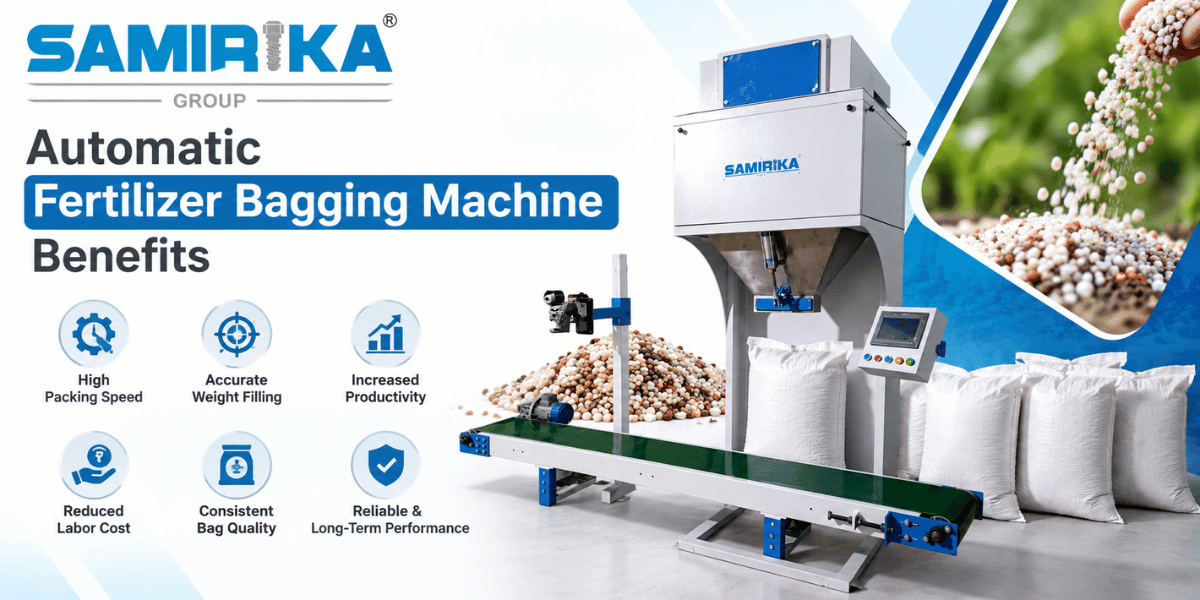
- Chemical Industry: Packaging of fertilizers, pigments, resins, and various chemical powders.
- Food and Beverage: Filling flour, sugar, salt, spices, coffee grounds, milk powder, and baking mixes.
- Pharmaceuticals: Packaging of active pharmaceutical ingredients (APIs), excipients, and powdered medications.
- Construction Materials: Bagging of cement, plaster, dry mixes, and additives.
- Animal Feed: Packaging of powdered or pelleted animal feed supplements and ingredients.
- Mining and Minerals: Filling of mineral powders, clays, and processed ores.
- Plastics and Polymers: Packaging of polymer powders, masterbatches, and additives.
- Specialty Powders: Handling of fine powders, abrasive materials, or products requiring specific containment.
How to Choose the Right Industrial Powder Bagging System
Selecting the appropriate system is crucial for operational success. Consider these factors:
- Product Characteristics: Powder density, flowability, abrasiveness, particle size, and any tendency to clump or aerate.
- Bag Type and Size: Pre-made bags (valve, open-mouth) or form-fill-seal, and the desired bag dimensions.
- Required Throughput: The number of bags per minute or hour your production line demands.
- Accuracy Requirements: The acceptable tolerance for fill weight variation.
- Environmental Considerations: Need for dust containment, explosion-proof features, or wash-down capabilities.
- Automation Level: Fully automatic systems versus semi-automatic options requiring operator intervention.
- Integration Needs: Compatibility with existing upstream (conveyors, silos) and downstream (palletizers, sealers) equipment.
- Supplier Support: Availability of installation, training, spare parts, and maintenance services.
Quality Standards and Compliance
When procuring an industrial powder bagging system, verifying adherence to relevant quality standards is paramount. Look for manufacturers who comply with international standards like ISO 9001 for quality management systems. Depending on the industry, specific certifications may be required. For instance, food-grade applications might necessitate FDA-compliant materials and designs, while pharmaceutical packaging demands adherence to GMP (Good Manufacturing Practices). Ensure the equipment is built with materials that are durable, safe for product contact, and meet any industry-specific regulations for hygiene or safety.
Why Samirika Industries' Experience and Capability Matters
With over 12 years of dedicated experience in material handling systems, Samirika Industries Pvt. Ltd. brings a deep understanding of the complexities involved in powder packaging. Our manufacturing process is honed to ensure precision and reliability in every industrial powder bagging system we produce. We leverage advanced engineering and a skilled technical team to develop solutions that are not only efficient but also robust and long-lasting. Our commitment to quality control throughout the production cycle guarantees that each system meets stringent performance benchmarks.
We pride ourselves on our ability to offer customized solutions, adapting our standard designs to meet unique client requirements regarding product type, bag specifications, and throughput. This flexibility, combined with a proven track record of successful project completions and reliable after-sales support, makes Samirika Industries a trusted partner for businesses seeking to optimize their packaging operations. Our extensive range of offerings, from weighing and bagging systems to conveyors and automation components, allows us to provide comprehensive material handling solutions.
Installation, Maintenance, and Care Tips
Proper installation is the first step to ensuring your industrial powder bagging system operates at its best. Ensure the machine is placed on a level surface and properly connected to power and any necessary pneumatic or dust collection lines. Regular maintenance is key to longevity and consistent performance. This includes daily checks of moving parts, cleaning of sensors and filling mechanisms, and lubrication as per the manufacturer's guidelines.
Periodically inspect seals and wear parts, replacing them as needed to prevent leaks or inaccuracies. For dust control systems, ensure filters are cleaned or replaced regularly to maintain efficiency and air quality. Always follow safety protocols during maintenance, ensuring the machine is powered down and properly locked out. Keeping a stock of critical spare parts can also minimize downtime in case of unexpected issues.
Frequently Asked Questions
A1: Industrial powder bagging systems are designed to handle a wide range of powders, from fine, free-flowing materials like flour and sugar to more challenging products such as sticky powders, abrasive minerals, or aerated chemicals. The system's design, particularly the feeder mechanism and dust control, is often tailored to the specific properties of the powder.
A2: Modern systems typically achieve high levels of accuracy, often within ±0.5% to ±1% of the target fill weight, depending on the powder's characteristics and the specific weighing technology employed. Gravimetric systems, which weigh the product as it fills, generally offer superior accuracy compared to volumetric fillers.
A3: Throughput varies significantly based on the model, product, bag size, and level of automation. Simpler semi-automatic systems might handle 10-20 bags per minute, while high-speed fully automatic systems can achieve rates of 30-60 bags per minute or even higher for specific applications.
A4: The level of operator intervention depends on the system's automation. Semi-automatic systems require operators to place bags and initiate the filling cycle. Fully automatic systems handle bag feeding, filling, sealing, and discharge with minimal human input, primarily for monitoring and product changeovers.
A5: Routine maintenance includes cleaning the filling area and sensors, checking for wear on seals and augers, lubricating moving parts, and inspecting the dust collection system. Regular preventative maintenance schedules, as recommended by the manufacturer, are crucial for optimal performance and longevity.
A6: Yes, industrial powder bagging systems are designed for integration. They can be seamlessly connected with upstream equipment like conveyors and silos, and downstream equipment such as bag sealers, stitchers, checkweighers, bag placers, and palletizers to create a complete automated packaging line.
Conclusion
Choosing the right industrial powder bagging system is a strategic decision that directly influences operational efficiency, product quality, and cost-effectiveness. Key considerations include understanding your specific powder characteristics, desired throughput, accuracy needs, and the level of automation required. Partnering with an experienced manufacturer like Samirika Industries, who offers robust, customizable solutions and reliable support, ensures you acquire a system that meets your current demands and supports future growth. Investing in a well-designed bagging system is an investment in the reliability and success of your entire production process.
Get In Touch
Samirika Industries