How Fertilizer Packaging Machine Works
The agricultural sector relies heavily on efficient and accurate handling of essential products like fertilizers. At the heart of this process lies the fertilizer packaging machine, an automated system designed to streamline the bagging and sealing of fertilizers. Understanding how these machines operate is crucial for optimizing production, ensuring product integrity, and enhancing overall operational efficiency. This guide delves into the mechanics, benefits, and selection criteria for fertilizer packaging machines, helping you comprehend their role in modern agriculture.
Understanding the Fertilizer Packaging Machine
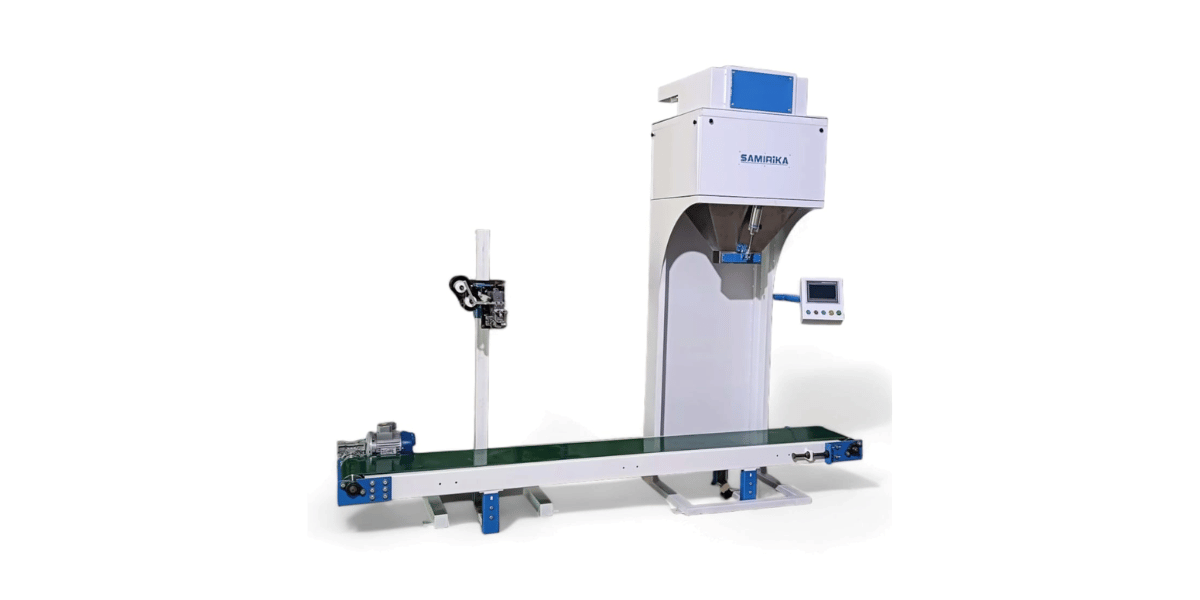
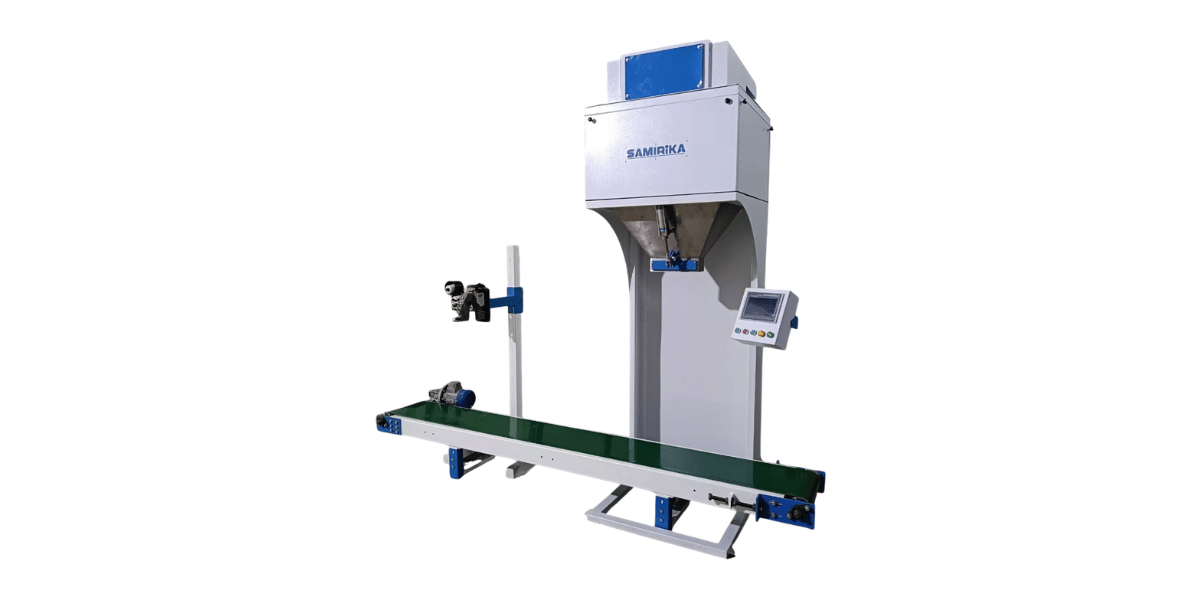
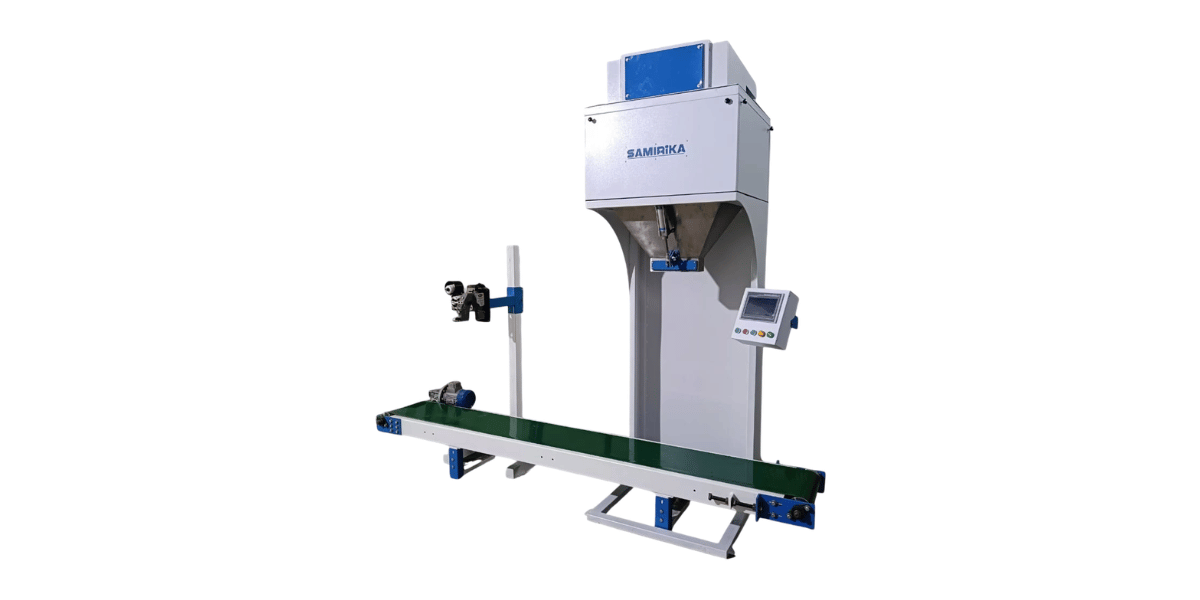
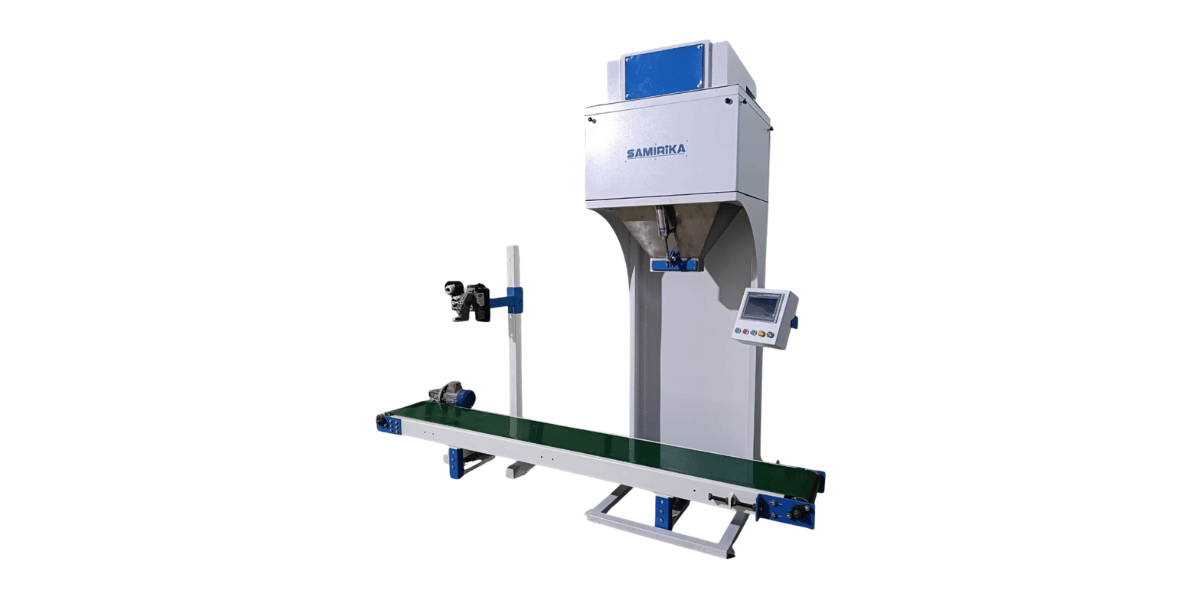
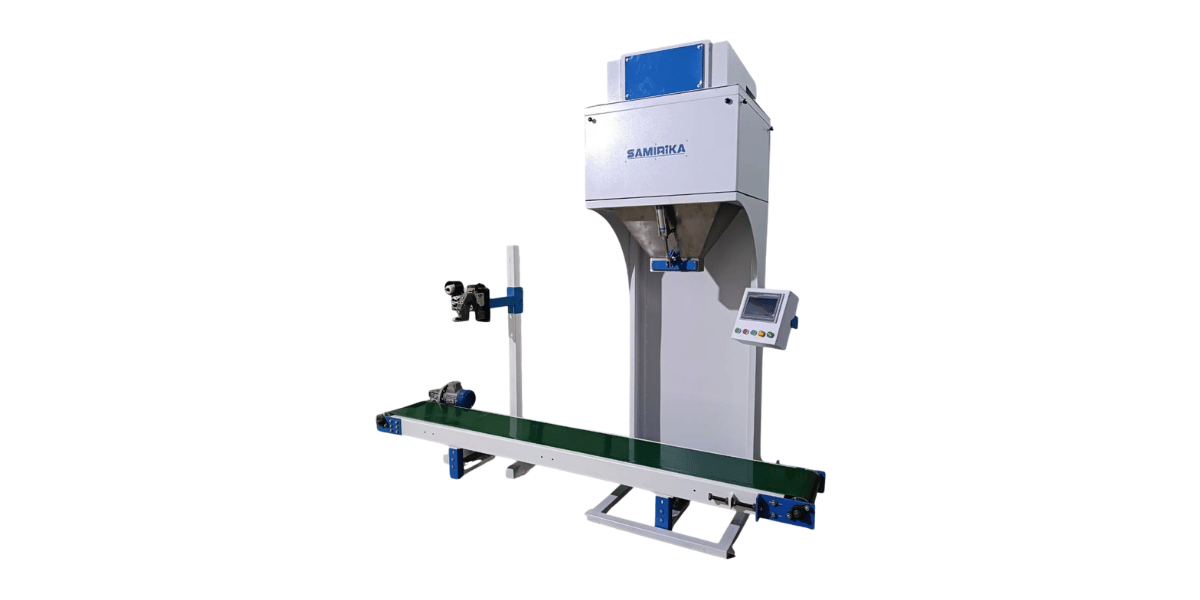
A fertilizer packaging machine is an industrial piece of equipment dedicated to the automated filling, weighing, and sealing of bags with various types of fertilizers. These machines are indispensable for manufacturers and distributors aiming to increase their output, reduce manual labor, and maintain consistent product quality. They handle a wide range of fertilizer forms, including granular, prilled, and powdered materials, and are engineered to work with different bag types and sizes, such as multi-wall paper bags, woven polypropylene bags, and plastic films.
The core function of these machines is to automate what would otherwise be a labor-intensive and potentially inconsistent manual process. By integrating sophisticated weighing systems with precise filling and robust sealing mechanisms, they ensure that each bag contains the correct amount of product, is securely closed, and is ready for distribution. This automation not only speeds up the packaging line but also significantly minimizes product spillage and contamination, contributing to cost savings and improved product presentation.
How Fertilizer Packaging Machine Works: A Step-by-Step Breakdown
The operation of a fertilizer packaging machine is a carefully orchestrated sequence of events, typically involving several integrated stages. While specific configurations may vary, the fundamental process remains consistent:
- Bag Feeding/Presentation: The process begins with the automated presentation of an empty bag to the filling station. This can be achieved through a bag magazine that feeds bags one by one, or via an automatic bag placer that picks up bags and positions them accurately under the filling spout. The bag is usually held in place by clamps or guides to ensure stability during filling.
- Weighing and Dosing: This is a critical stage where accuracy is paramount. Most modern fertilizer packaging machines employ sophisticated weighing systems, often gravimetric (weight-based) or sometimes volumetric (volume-based, though less common for precise applications). In a gravimetric system, load cells measure the weight of the fertilizer as it is discharged into the bag. The system is programmed with the target weight, and the flow of fertilizer is automatically adjusted (often starting with a coarse feed and then switching to a dribble feed) to achieve the precise dosage before the filling cycle stops.
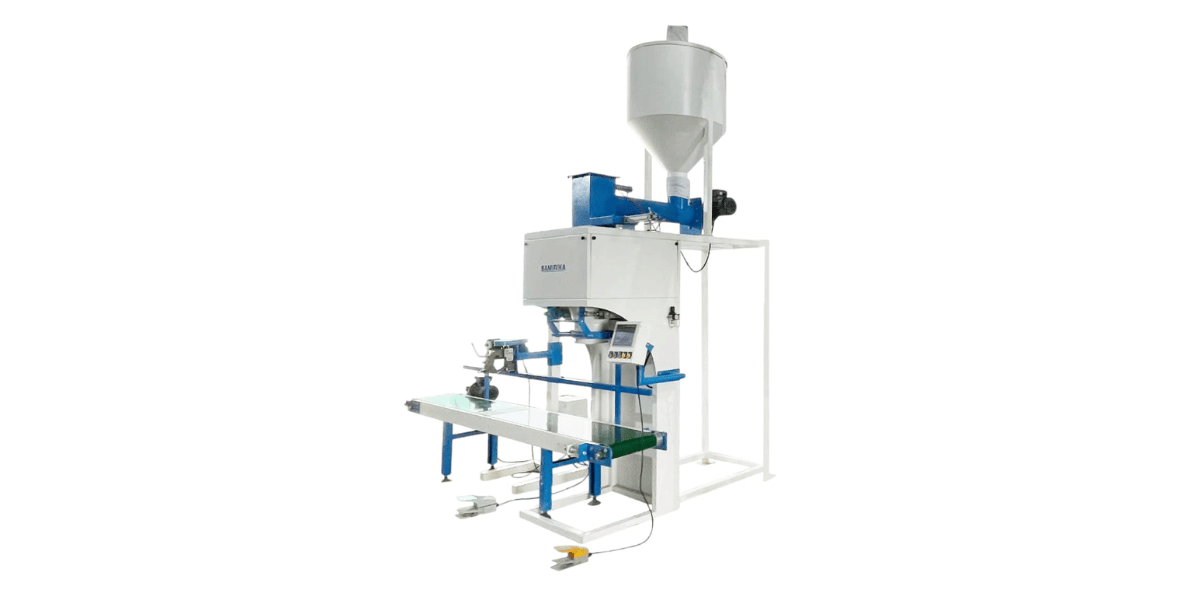
- Filling: Once the bag is in position and the weighing system is ready, the fertilizer is discharged from a hopper or silo through the filling spout into the bag. The type of filling mechanism depends on the fertilizer's characteristics. For granular fertilizers, gravity or auger fillers are common. For powders, auger fillers or vibratory feeders might be used. The speed and manner of filling are controlled to prevent excessive dust generation and to ensure the fertilizer is distributed evenly within the bag.
- Bag Handling and Positioning: After filling, the bag needs to be moved from the filling station to the sealing or stitching station. This is typically done via conveyor belts. Depending on the machine's complexity, the bag might be automatically discharged onto a conveyor, squared up, or even slightly compressed to ensure a neat package.
- Sealing or Stitching: The final step in securing the product involves sealing the bag. For plastic or film bags, heat sealing is often employed, where heated bars melt and fuse the bag material together, creating an airtight and watertight closure. For paper or woven polypropylene bags, stitching machines are used to sew the bag opening shut, often with an additional layer of tape for enhanced security. Some machines may offer both options or integrate with other closing methods.
- Discharge and Conveying: Once sealed or stitched, the filled and closed bag is conveyed away from the machine, ready for further processing such as palletizing or manual stacking.
Applications and Use Cases
Fertilizer packaging machines are vital across numerous segments of the agricultural supply chain, enabling efficient packaging for a variety of products:
Granular Fertilizers
Packaging of NPK fertilizers, urea granules, diammonium phosphate (DAP), and other solid, free-flowing granular products.
Powdered Fertilizers
Efficiently handling and bagging fine powders, including water-soluble fertilizers and certain types of micronutrients.
Specialty Fertilizers
Packaging of organic fertilizers, compost blends, soil conditioners, and other specialty agricultural inputs.
Agricultural Input Suppliers
Used by fertilizer manufacturers and distributors to prepare products for retail and wholesale markets.
Key Benefits of Automated Fertilizer Packaging
Implementing an automated fertilizer packaging machine offers significant advantages for agricultural businesses:
- Increased Throughput: Automated systems operate at speeds far exceeding manual labor, dramatically increasing the number of bags processed per hour.
- Enhanced Accuracy: Precision weighing systems minimize under- or over-filling, ensuring product consistency, meeting regulatory standards, and optimizing profitability.
- Reduced Labor Costs: Automation requires fewer personnel to operate the packaging line, leading to substantial savings in labor expenses.
- Improved Product Integrity: Secure sealing and controlled filling processes protect the fertilizer from moisture, contamination, and spillage, maintaining its quality.
- Workplace Safety: Automating repetitive and physically demanding tasks reduces the risk of workplace injuries associated with manual lifting and handling.
- Consistent Packaging: Uniform bag filling, sealing, and presentation enhance brand image and shelf appeal.
Choosing the Right Fertilizer Packaging Machine
Selecting the appropriate fertilizer packaging machine is a critical decision that impacts operational efficiency and cost-effectiveness. Consider the following factors:
Key Selection Criteria:
- Type of Fertilizer: Ensure the machine is suitable for the physical form (granules, powders) and density of your specific fertilizer. Some machines are better suited for free-flowing granules, while others can handle fine powders or sticky materials.
- Bag Material and Size: Verify compatibility with the types of bags you use (e.g., paper, plastic, woven PP) and the range of bag dimensions (width, height, thickness) required.
- Accuracy Requirements: Determine the acceptable tolerance for weight accuracy. Gravimetric systems generally offer higher precision than volumetric ones.
- Required Output Speed: Match the machine's capacity (bags per minute/hour) to your production demands and business growth projections.
- Level of Automation: Decide whether you need a fully automatic system or a semi-automatic one, considering your budget and labor availability.
- Sealing/Stitching Method: Choose between heat sealing, stitching, or a combination, depending on your bag material and desired closure strength.
- Dust Control: For powdered fertilizers, systems with effective dust collection and containment are essential for safety and environmental compliance.
- Ease of Operation and Maintenance: Opt for machines with user-friendly interfaces and accessible components for routine maintenance and cleaning.
Buyer Insight:
When evaluating fertilizer packaging machines, don't overlook the importance of support. Enquire about installation, training, spare parts availability, and after-sales service to ensure long-term operational reliability.
Samirika Industries: Your Partner in Packaging Solutions
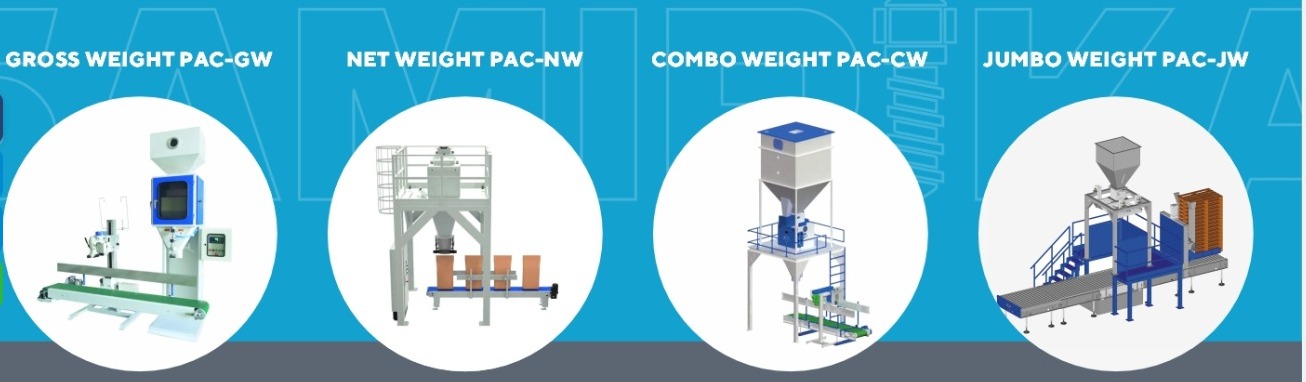
Samirika Industries Pvt. Ltd. offers a comprehensive range of material handling and packaging systems designed to enhance efficiency and productivity in the agricultural sector. Their expertise includes the provision of automatic microprocessor-based weighing and bagging systems, tailored to meet the specific demands of fertilizer packaging. Whether you require solutions for granular or powdered fertilizers, Samirika Industries can provide robust machinery, including polymer packaging machines and jumbo packing machines, integrated with essential components like automatic bag placers, weighing systems, and sealing units.
Their commitment extends to offering a complete suite of material handling equipment, such as conveyor systems, check weighers, and truck loaders, ensuring a seamless flow from production to dispatch. By focusing on automated, efficient, and accurate packaging solutions, Samirika Industries aims to support agricultural businesses in optimizing their operations and delivering quality products to the market.
Frequently Asked Questions About Fertilizer Packaging Machines
What types of fertilizers can a packaging machine handle?
Fertilizer packaging machines can typically handle granular, prilled, and powdered fertilizers. The specific capabilities depend on the machine's design, particularly the filling mechanism and its suitability for different material flow characteristics.
How accurate are modern fertilizer packaging machines?
Modern machines, especially those with gravimetric (weight-based) weighing systems, offer high accuracy, often within a very small tolerance (e.g., +/- 0.1% to 0.5% of the target weight), ensuring precise product delivery.
What is the difference between volumetric and gravimetric filling?
Volumetric filling measures product by volume, which can lead to variations in weight if the product density changes. Gravimetric filling measures by weight, using load cells to ensure precise dosage regardless of minor density fluctuations, making it more accurate for products like fertilizers.
Can these machines handle different bag sizes?
Yes, most modern machines are designed to accommodate a range of bag sizes, often with adjustable settings or quick changeover capabilities for different dimensions.
Ready to Optimize Your Fertilizer Packaging?
Discover how advanced fertilizer packaging machines can transform your operations. Partner with Samirika Industries to explore robust, automated solutions that ensure accuracy, efficiency, and reliability. Contact us today to discuss your specific packaging needs and receive a tailored recommendation.
Request a Solution