Get Your Free Quote…!
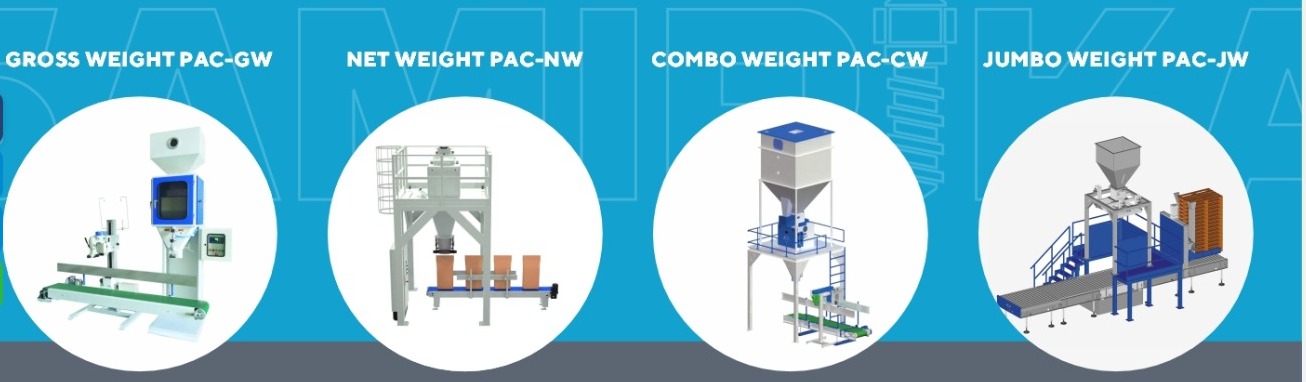
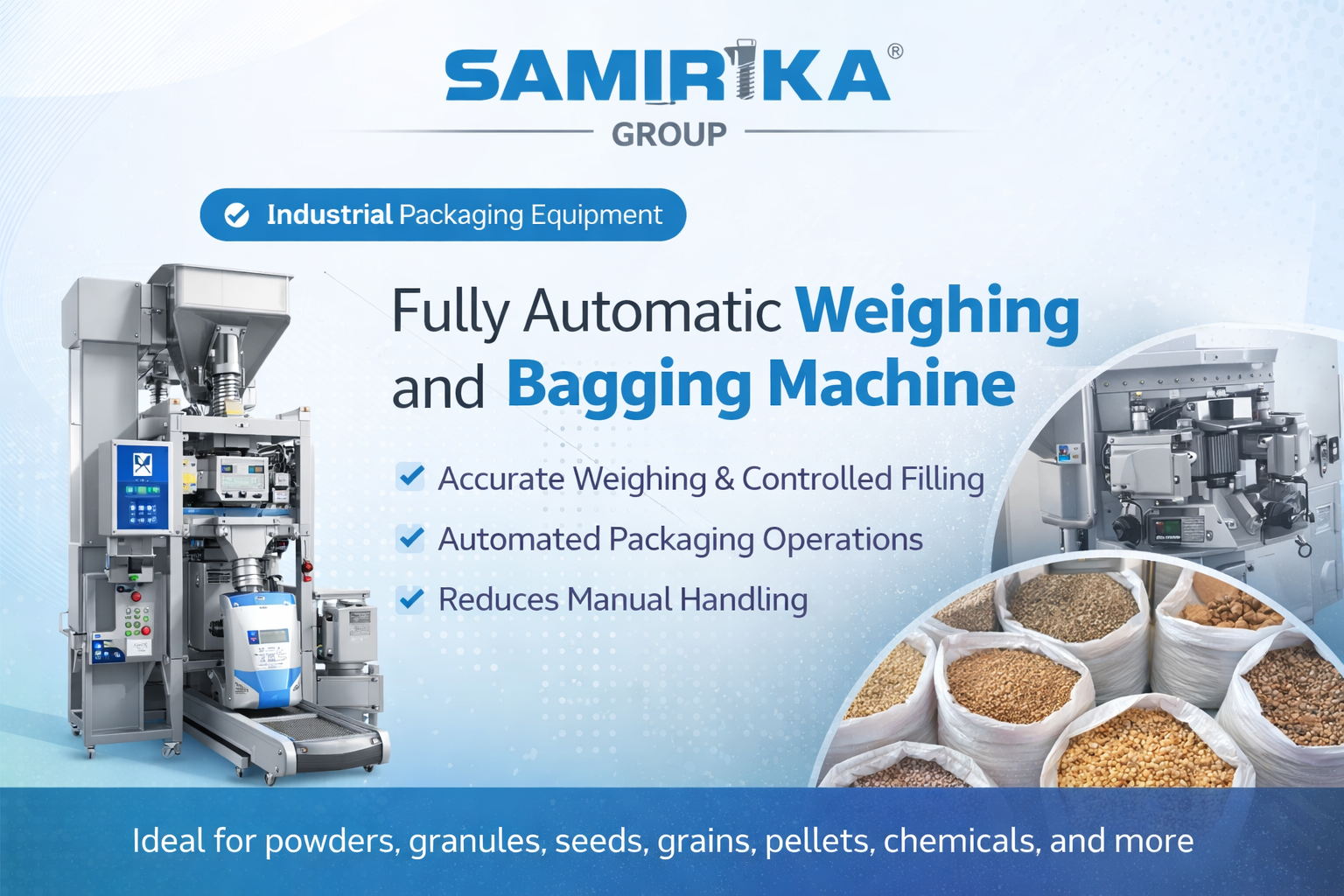
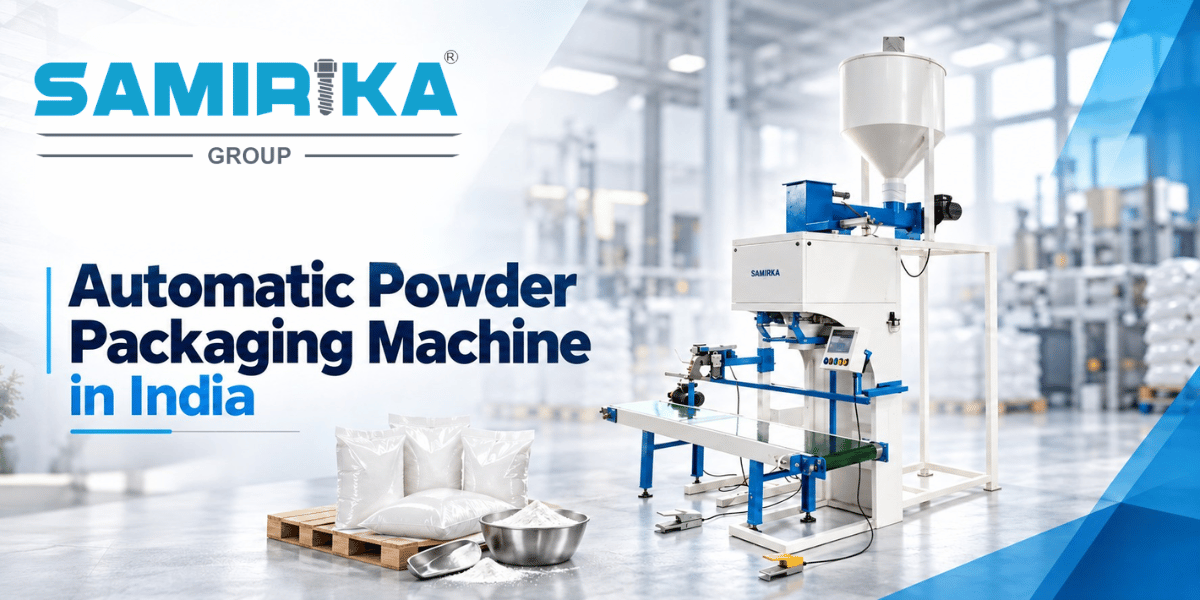
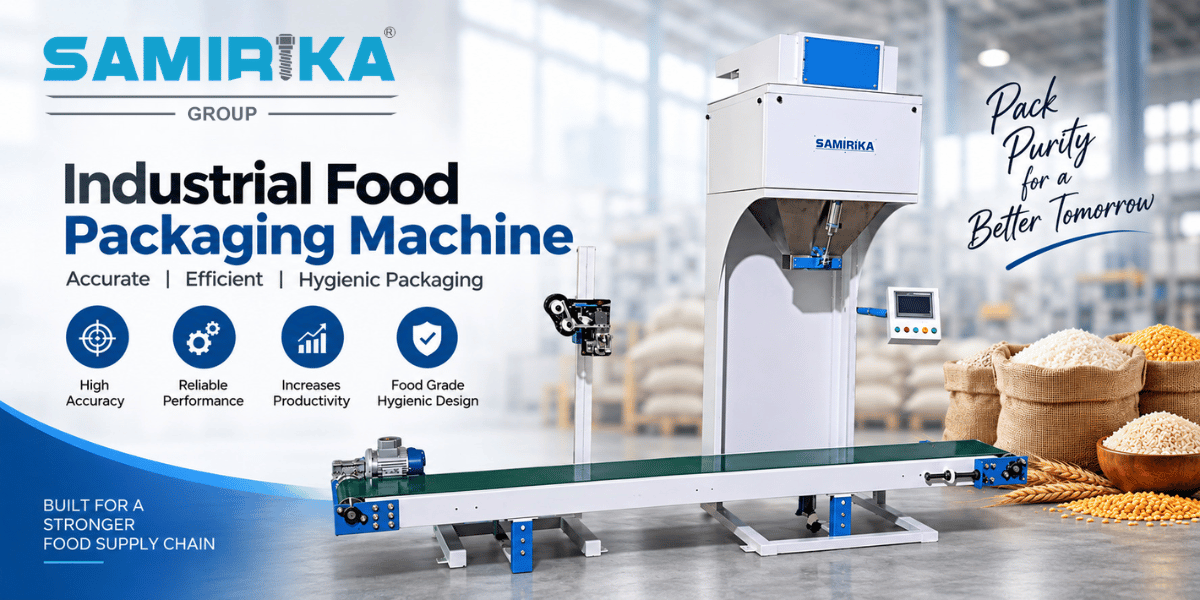
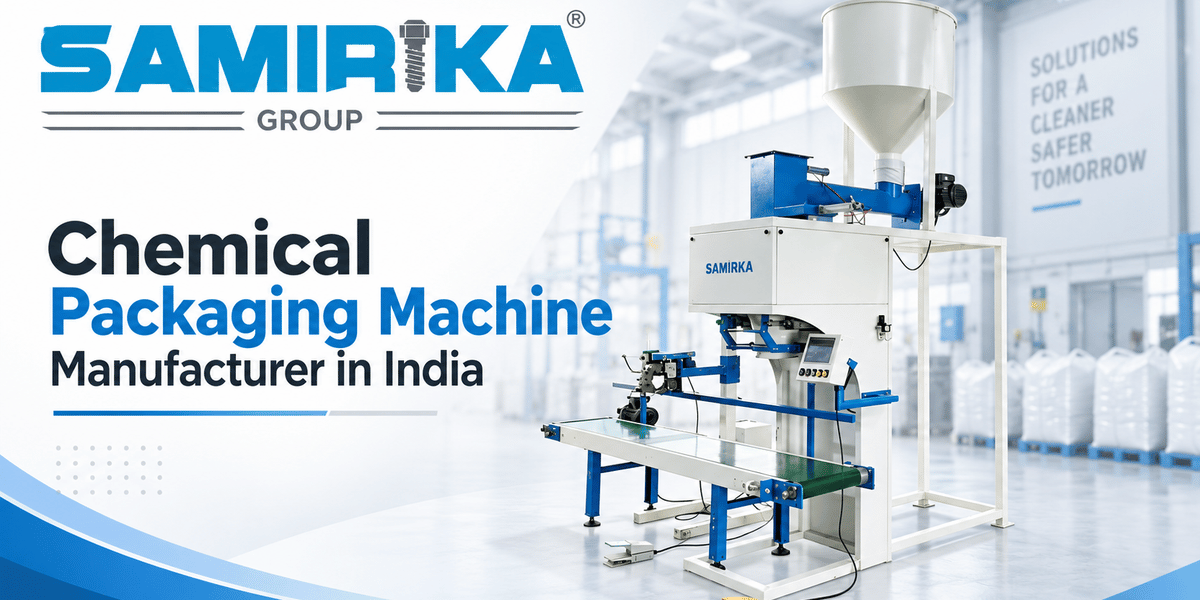
A Fully Automatic Weighing and Bagging Machine is used in industrial packaging operations where accurate weighing, controlled filling, and efficient bagging are essential. It helps manufacturers and processors package products in a structured, repeatable manner while reducing manual handling. This type of equipment is commonly used for powders, granules, pellets, seeds, grains, chemicals, minerals, and other bulk materials that require precise weight-based filling.
In modern production environments, packaging is not limited to simply filling a bag. It also involves maintaining weight consistency, minimizing product loss, improving speed, and supporting a cleaner, more organized workflow. A Fully Automatic Weighing and Bagging Machine addresses these requirements by combining weighing technology, bag handling, product discharge, and operational control into a single automated system.
For industries that manage repetitive packaging cycles and varying material flow, this machine offers a practical way to improve production continuity without compromising packaging quality.
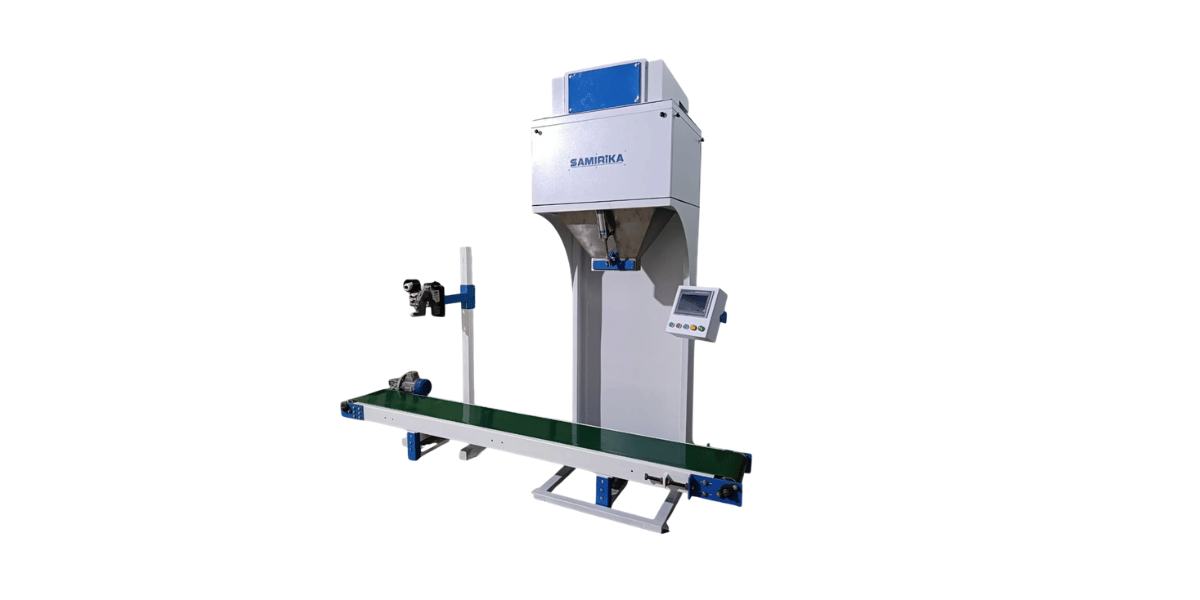
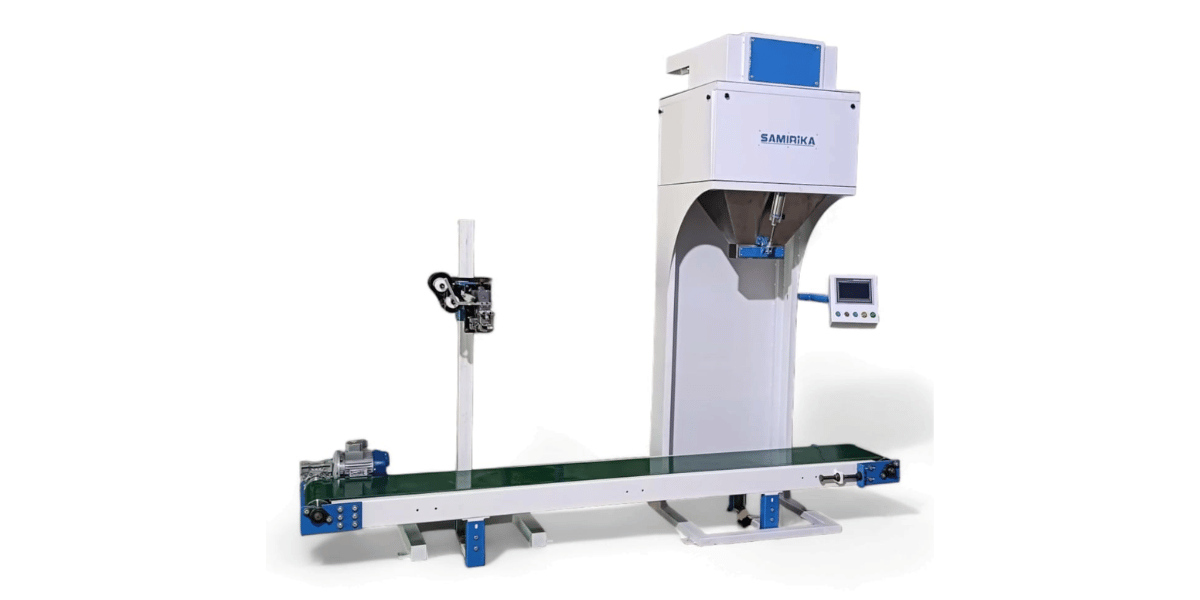
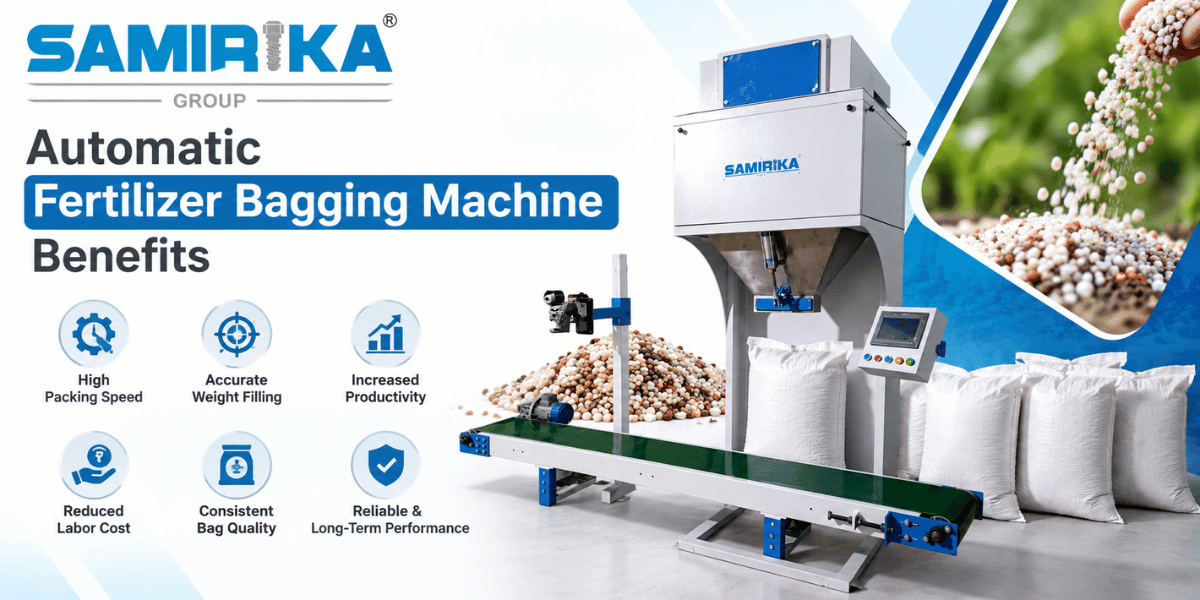
A Fully Automatic Weighing and Bagging Machine is an automated packaging system designed to weigh a product to a preset target and fill it into bags with minimal manual intervention. The machine operates through a controlled sequence in which the material is fed, weighed, dispensed, and packed into suitable bag formats.
The primary purpose of the machine is to maintain uniform bag weight while supporting a faster and more efficient packaging cycle. It is especially useful in industries where even small weight variations can affect inventory accuracy, dispatch control, and product consistency.
Unlike manual or semi-automatic bagging methods, a fully automatic system is designed for continuous operation. It improves standardization and reduces dependence on operator-controlled weighing and filling.
A Fully Automatic Weighing and Bagging Machine is built to support packaging accuracy, process control, and production continuity. The exact features may vary by application, but the following functions are commonly expected in industrial systems:
These functions make the machine suitable for industries where packaging must be both accurate and operationally efficient.
A Fully Automatic Weighing and Bagging Machine is widely used across sectors that require measured product packing in bags or similar containers. The machine supports a broad range of industrial applications because of its flexibility in handling different material types. Common use areas include:
Its adaptability makes it suitable for operations where consistent bagging performance is essential for storage, distribution, or production flow.
A Fully Automatic Weighing and Bagging Machine supports smoother packaging operations by reducing the variability that often comes with manual handling. In industrial production, even a small delay in bagging can affect upstream processing and downstream dispatch activities.
By automating the weighing and filling process, the machine helps improve coordination between production and packaging departments. It can also support cleaner work areas, especially where powders or free-flowing materials are involved. Operational advantages often include:
These benefits are especially valuable in facilities where packaging is a continuous, high-volume function rather than a secondary process.
Industrial users often work with different packaging sizes depending on dispatch requirements, material category, or buyer specifications. A Fully Automatic Weighing and Bagging Machine is often preferred because it can support multiple bagging formats when properly configured.
This flexibility allows manufacturers to package the same product in different bag capacities without redesigning the entire line. It also helps companies respond more efficiently to changing production requirements or packaging standards.
Bagging flexibility becomes particularly important in sectors where the same material may be packed for wholesale supply, industrial use, storage, or internal transfer. In such cases, a reliable automatic bagging system adds process convenience and packaging control.
Choosing a Fully Automatic Weighing and Bagging Machine should be based on application suitability rather than only machine size or output claims. A machine that performs well for one product may not be ideal for another if the material flow behavior is different. Before selecting a machine, buyers should evaluate:
A careful evaluation helps ensure that the machine supports both current production needs and future packaging scalability.
Like any industrial equipment, a Fully Automatic Weighing and Bagging Machine performs best when maintained properly. Regular inspection and preventive maintenance help preserve weighing accuracy, mechanical stability, and production continuity.
Important maintenance areas usually include weighing sensors, feeding mechanisms, moving parts, control panels, discharge systems, and safety devices. Clean operation is especially important in applications involving powders, fine materials, or food-grade products.
Long-term reliability depends not only on machine build quality but also on correct usage, timely servicing, and product compatibility. A well-maintained machine contributes to smoother packaging performance and fewer operational interruptions.
A Fully Automatic Weighing and Bagging Machine is an important industrial packaging solution for operations that require precision, consistency, and process efficiency. It supports accurate weight control, smoother product handling, and better packaging standardization across a wide range of industries.
As production environments continue to demand faster and more reliable packaging systems, the role of automated weighing and bagging equipment becomes increasingly important. For businesses handling repetitive bagging operations, this machine offers a practical, process-focused solution that supports long-term operational efficiency and packaging control.
Filter Using Product Tags