Food Packaging Machine
In the dynamic world of food production and distribution, the significance of effective packaging cannot be overstated. A high-quality Food Packaging Machine is at the heart of preserving product integrity, ensuring consumer safety, and optimizing operational efficiency. From extending shelf life through advanced technologies like Modified Atmosphere Packaging (MAP) and Vacuum Skin Packaging (VSP) to ensuring compliance with stringent safety regulations, these machines are indispensable tools for any food business aiming for success. This guide delves into the critical aspects of food packaging machines, their diverse applications, inherent benefits, and the crucial factors to consider when selecting the right equipment for your specific operational requirements.
Understanding Food Packaging Machines
A Food Packaging Machine is a piece of industrial equipment designed to automate and optimize the process of enclosing food products in protective packaging. These machines play a vital role in maintaining the freshness, safety, and quality of food items from the point of production to the consumer's table. They are engineered to handle various packaging formats, materials, and product types, ensuring that food remains protected against external contaminants, spoilage, and physical damage.
The core function of these machines is to seal products within a package, often under controlled atmospheric conditions. Technologies such as Modified Atmosphere Packaging (MAP) involve altering the internal atmosphere of the package by replacing the air with a specific gas mixture to inhibit microbial growth and slow down oxidation, thereby extending shelf life. Vacuum Packaging (VP) removes air from the package before sealing, which also significantly retards spoilage and preserves the food's natural qualities. Vacuum Skin Packaging (VSP) takes this a step further by creating a tight, skin-like seal around the product, offering excellent presentation and protection.
Modern food packaging machines are increasingly incorporating advanced features such as user-friendly interfaces, programmable logic controllers (PLCs) for precise control, and robust construction materials like stainless steel, which are essential for maintaining hygiene and facilitating easy cleaning in food processing environments. Automation is a key trend, with machines often equipped with microprocessor-based controllers to manage weighing, bagging, and sealing operations seamlessly.
Diverse Applications Across Food Industries
The versatility of food packaging machines makes them essential across a broad spectrum of the food industry. Samirika Industries, for instance, provides a comprehensive range of material handling and automation systems that cater to various sectors, demonstrating the wide applicability of such equipment.
| Industry Sector | Specific Applications of Food Packaging Machines |
|---|---|
| Fresh Produce | Bagging fruits and vegetables, vacuum sealing salads, MAP for leafy greens to extend freshness. |
| Meat and Poultry | Vacuum packaging of fresh or processed meats, MAP for chilled products, VSP for premium cuts. |
| Bakery and Confectionery | Sealing bread and pastries, packaging cookies and snacks with moisture protection, individual portion packaging. |
| Dairy Products | Packaging cheese, yogurt cups, butter portions, and milk cartons with extended shelf life technologies. |
| Ready-to-Eat Meals | MAP and vacuum sealing for convenience meals, ensuring safety and quality for microwaveable or chilled meals. |
| Seafood | Vacuum packaging to preserve freshness and prevent oxidation, MAP for extending the shelf life of fresh fish. |
| Dry Foods and Grains | Automatic weighing and bagging of rice, pulses, flour, and cereals; sealing for moisture and pest protection. |
Beyond these core food sectors, the automation capabilities offered by companies like Samirika Industries, including automatic weighing and bagging systems, conveyor systems, and sealing machines, are crucial for efficiently handling and packaging bulk items such as jumbo bags of flour or grains, and are also applied in related industries like agro-packaging and polymer packaging.
Key Benefits of Implementing Advanced Food Packaging Machines
Investing in a suitable Food Packaging Machine brings about numerous advantages that directly impact a food business's profitability, reputation, and operational sustainability.
- Extended Shelf Life: Technologies like MAP and vacuum packaging significantly prolong the freshness and usability of food products, reducing waste and allowing for broader distribution.
- Enhanced Food Safety: Proper sealing and protective packaging prevent contamination from bacteria, moisture, oxygen, and physical damage, ensuring products reach consumers in a safe condition.
- Improved Product Presentation: Modern machines can create visually appealing packages that capture consumer attention on retail shelves, contributing to better sales performance.
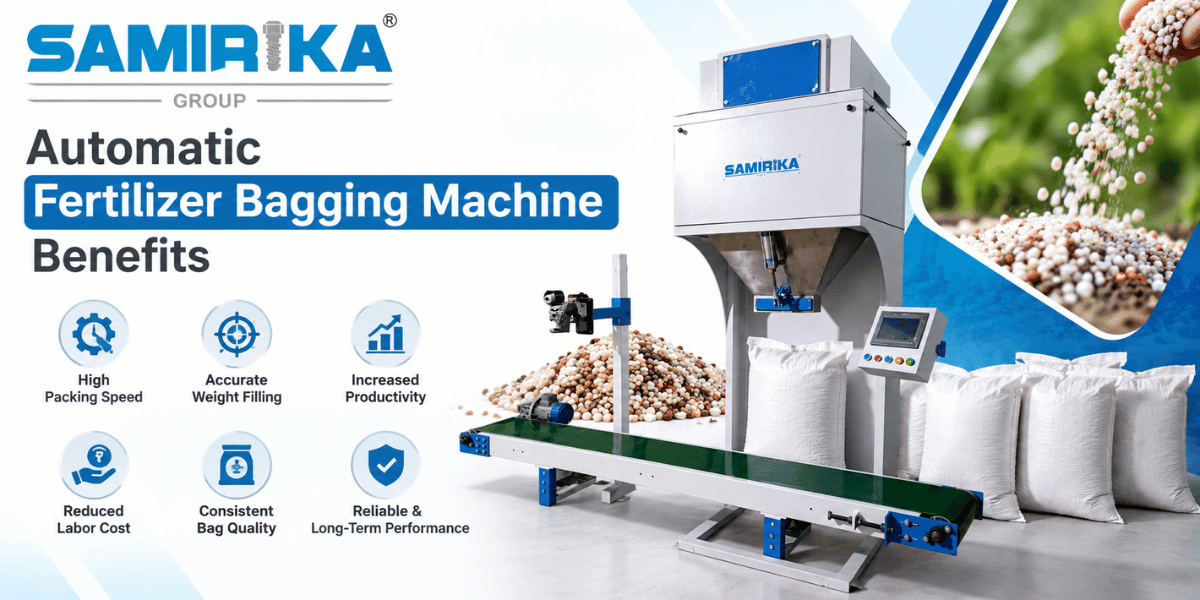
- Operational Efficiency: Automated systems reduce the need for manual labor, increase production speed, and ensure consistent packaging quality, leading to lower operating costs.
- Regulatory Compliance: Reliable packaging solutions help meet stringent industry standards for food safety and hygiene, avoiding costly non-compliance issues.
- Reduced Product Waste: By minimizing spoilage and damage during transit and storage, effective packaging directly contributes to less product loss.
Selecting the Right Food Packaging Machine
Choosing the correct Food Packaging Machine is a critical decision that requires careful consideration of several factors to ensure it aligns with your production needs and business objectives. Samirika Industries' expertise in providing a complete range of material handling systems with automation underscores the importance of a tailored approach.
Buyer Insight: Consider the total cost of ownership, including initial investment, operational costs (energy, consumables), maintenance, and potential downtime, rather than just the purchase price.
Key Selection Criteria:
- Product Type: Assess the nature of your food product – its physical state (solid, liquid, powder), size, shape, fragility, and any specific requirements for preservation (e.g., moisture sensitivity, oxygen permeability).
- Packaging Format: Determine the desired packaging type, such as bags, pouches, trays, containers, or films. This will dictate the specific type of machine needed (e.g., a VFFS machine for bags, a tray sealer, or a vacuum chamber machine).
- Production Volume & Speed: Evaluate your current and future production output. Machines vary significantly in speed, from basic models suitable for small batches to high-speed automated systems capable of thousands of units per hour.
- Automation Level: Decide on the degree of automation required. Options range from semi-automatic machines requiring manual intervention to fully integrated systems with automatic weighing, filling, sealing, and even case packing.
- Material Compatibility: Ensure the machine can effectively handle your chosen packaging materials (e.g., various plastics, laminates, paper, foil).
- Hygiene and Cleaning Requirements: For food applications, ease of cleaning and adherence to hygiene standards are paramount. Look for machines constructed with food-grade materials (like stainless steel) and designed for easy disassembly and washdown.
- Integration Capabilities: Consider how the new machine will integrate with your existing production line. Systems offering features like conveyor integration, automatic bag placers, and bag pushers can streamline operations.
- After-Sales Support and Service: Reliable technical support, availability of spare parts, and maintenance services are crucial for minimizing downtime.
Samirika Industries: Your Partner in Packaging Automation
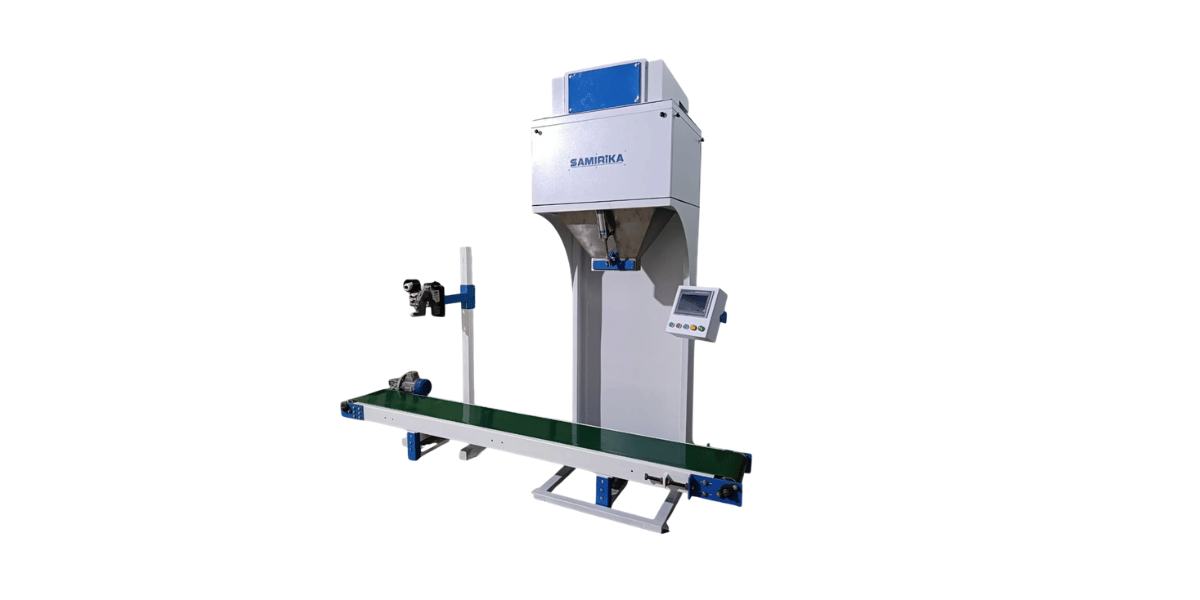
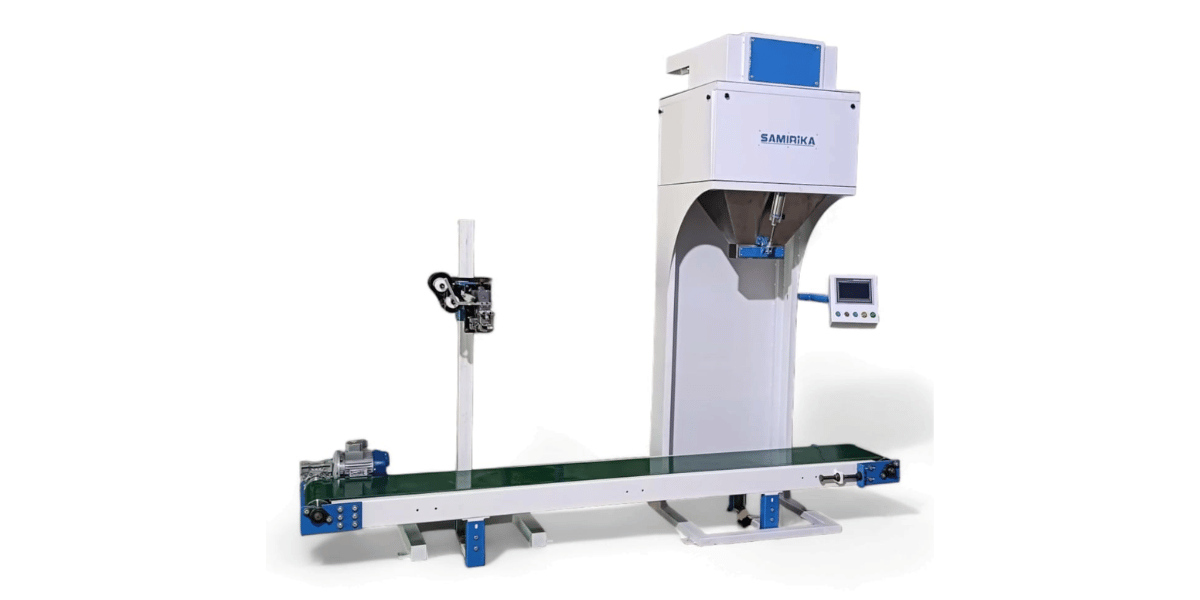
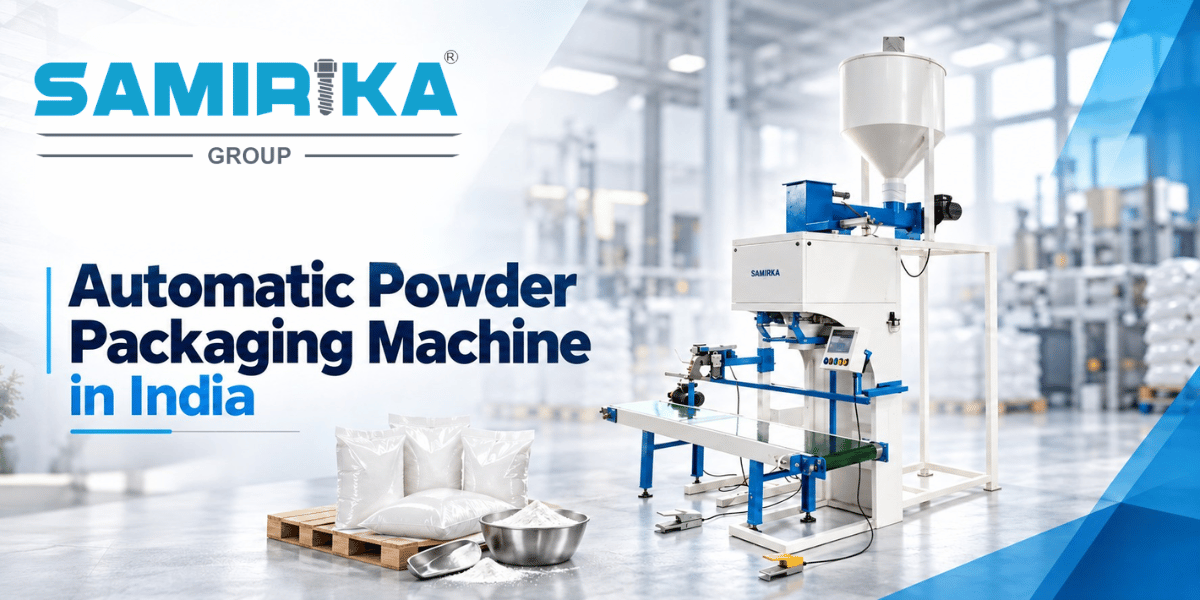
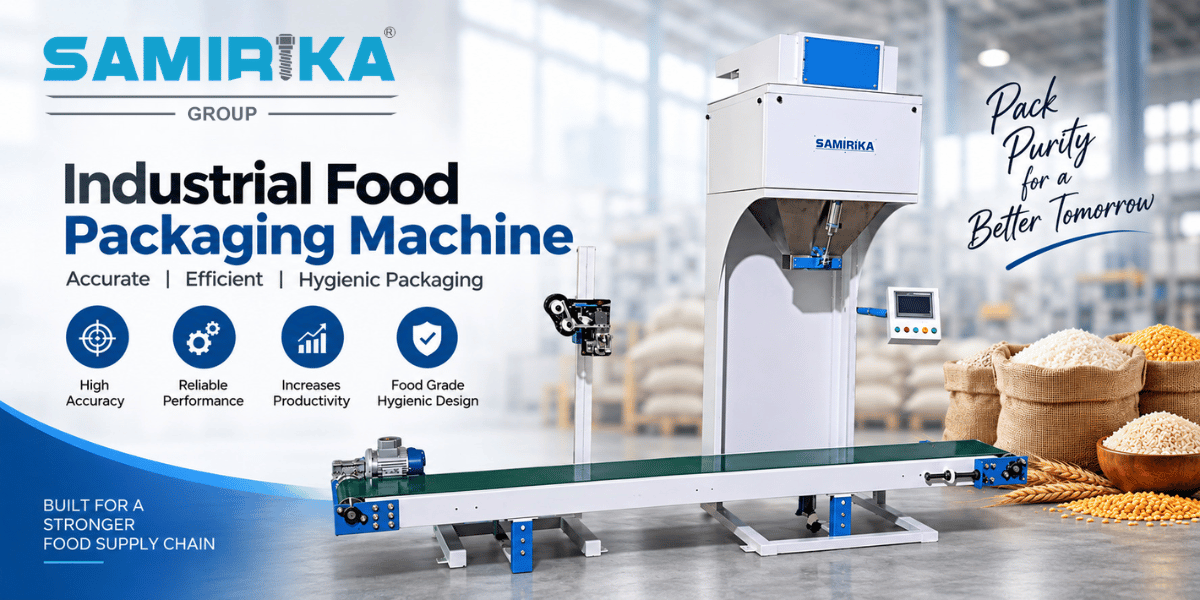
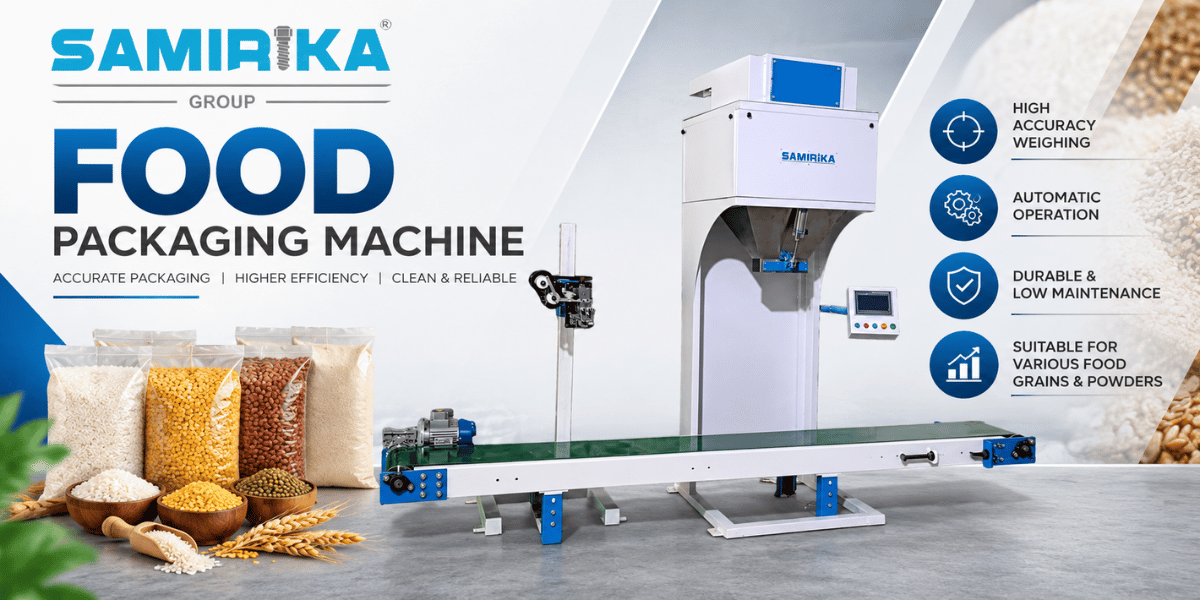
Samirika Industries Pvt. Ltd. stands as a provider of comprehensive material handling systems, equipped with advanced automation. Their expertise extends to offering a complete range of equipment crucial for efficient food packaging operations. This includes microprocessor-based controller-operated automatic weighing and bagging systems, essential for accurate portioning and filling of dry food products, grains, and powders.
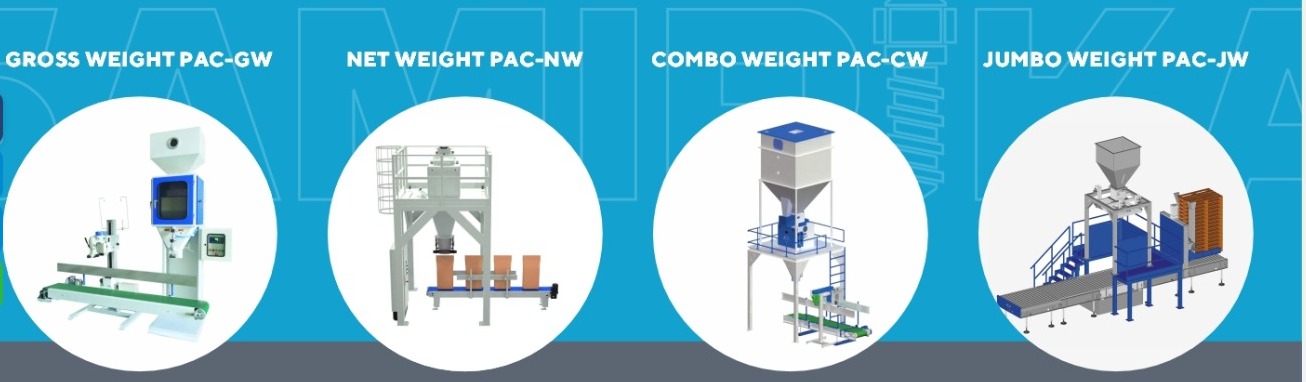
Their product portfolio also features polymer packaging machines, jumbo packing machines for bulk goods, and essential auxiliary equipment such as automatic bag placers and pushers, belt conveyor systems, and various types of sealing and stitching machines. For quality control, they offer online check weighers with rejection systems, ensuring that every package meets weight specifications. Furthermore, their offerings extend to truck loaders, silos/hoppers, and pneumatic valves, providing a holistic solution for material handling and processing within the food and agro-packaging industries.
By integrating these advanced systems, Samirika Industries empowers food businesses to streamline their packaging processes, enhance product consistency, and achieve greater operational efficiency, thereby supporting the critical need for reliable and automated food packaging solutions.
Frequently Asked Questions
What are the main types of food packaging machines?
The main types include filling machines, sealing machines, vacuum packaging machines, tray sealers, flow wrappers, vertical form fill seal (VFFS) machines, and horizontal form fill seal (HFFS) machines. Each serves a specific purpose in enclosing and protecting food products.
How do vacuum packaging machines improve food safety?
Vacuum packaging machines remove air from the package before sealing, creating a vacuum environment. This significantly slows down the growth of aerobic bacteria and other microorganisms responsible for spoilage, thereby enhancing food safety and extending shelf life.
What is Modified Atmosphere Packaging (MAP)?
MAP involves replacing the air inside a package with a specific mixture of gases (like nitrogen, carbon dioxide, and oxygen in controlled proportions). This controlled atmosphere inhibits spoilage, preserves color, and extends the shelf life of perishable food products.
Why is stainless steel construction important for food packaging equipment?
Stainless steel is preferred for food processing equipment due to its durability, corrosion resistance, and non-porous surface, which makes it easy to clean and sanitize. This is crucial for maintaining hygiene standards and preventing contamination in food production environments.
Can food packaging machines handle liquids?
Yes, specialized food packaging machines are designed to handle liquids, often using filling mechanisms suited for viscous or non-viscous liquids, and sealing technologies that prevent leaks and maintain product integrity.
Optimize Your Food Packaging Operations Today
Are you looking to enhance your food product's shelf life, ensure uncompromising safety, and boost your operational efficiency? Investing in the right Food Packaging Machine is a strategic move. Explore the comprehensive range of automated material handling and packaging solutions offered by Samirika Industries. Contact us to discuss your specific needs and discover how our advanced systems can be tailored to achieve your production goals.