Food Grain Packaging Machine
A Food Grain Packaging Machine is an essential part of modern agro and food processing operations. It is designed to pack grains such as rice, wheat, pulses, maize, millet, seeds, and other dry food grains in a clean, accurate, and efficient way. In food grain handling, packaging is not only about filling bags or pouches; it directly affects product safety, weight accuracy, shelf life, storage quality, and final presentation.
Food grains are packed in different quantities depending on production needs. Some businesses handle smaller consumer-ready packs, while others manage bulk bags for wholesale supply, storage, or transportation. A well-designed Food Grain Packaging Machine helps maintain consistency across both small and large packing requirements. It reduces manual errors, improves packing speed, and supports hygienic handling of food-grade materials.
In the agro and food industry, packaging machines help manage repetitive tasks with better control. Manual packing may lead to uneven filling, product loss, contamination risk, and slower production. Packaging machinery solves these challenges by combining feeding, weighing, filling, sealing, conveying, and control systems into a structured process. This makes the overall operation smoother, faster, and more reliable.
What Is a Food Grain Packaging Machine?
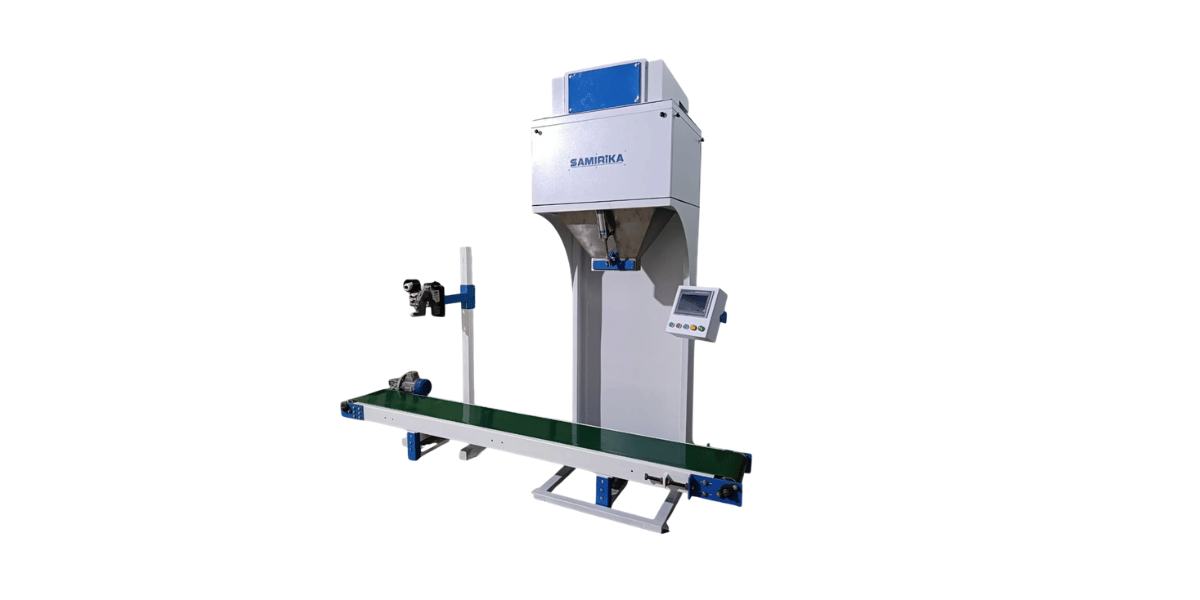
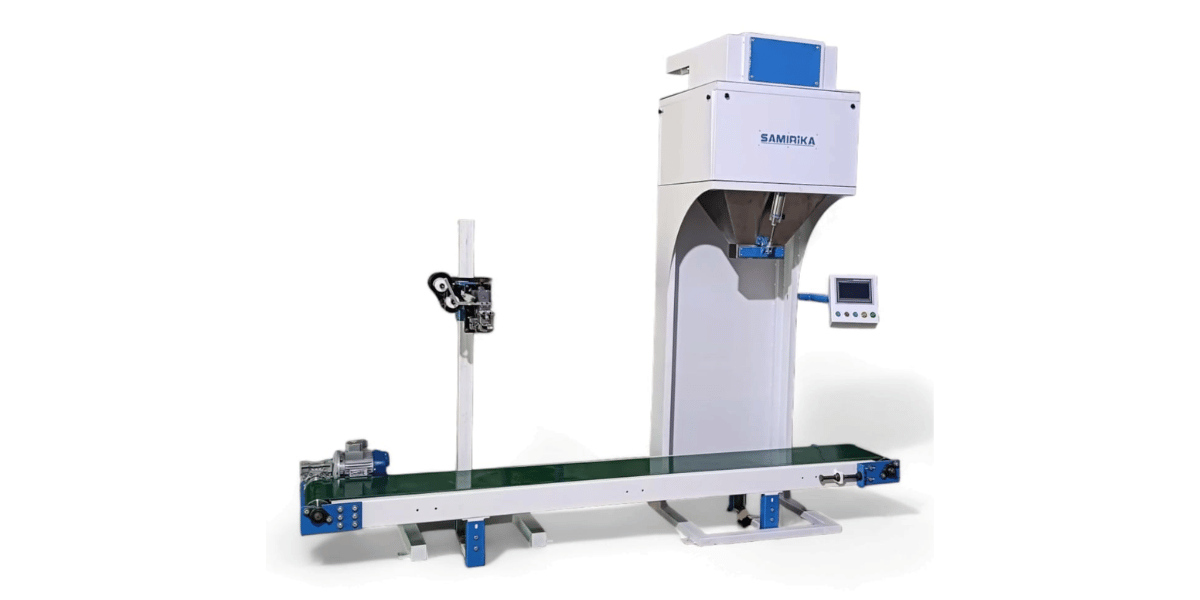
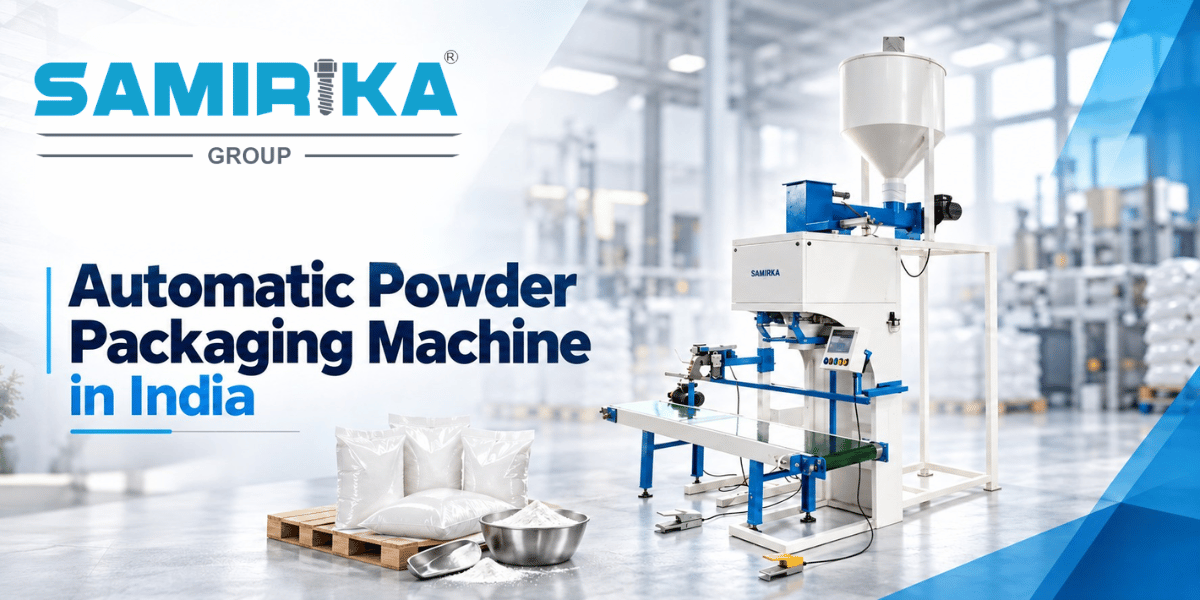
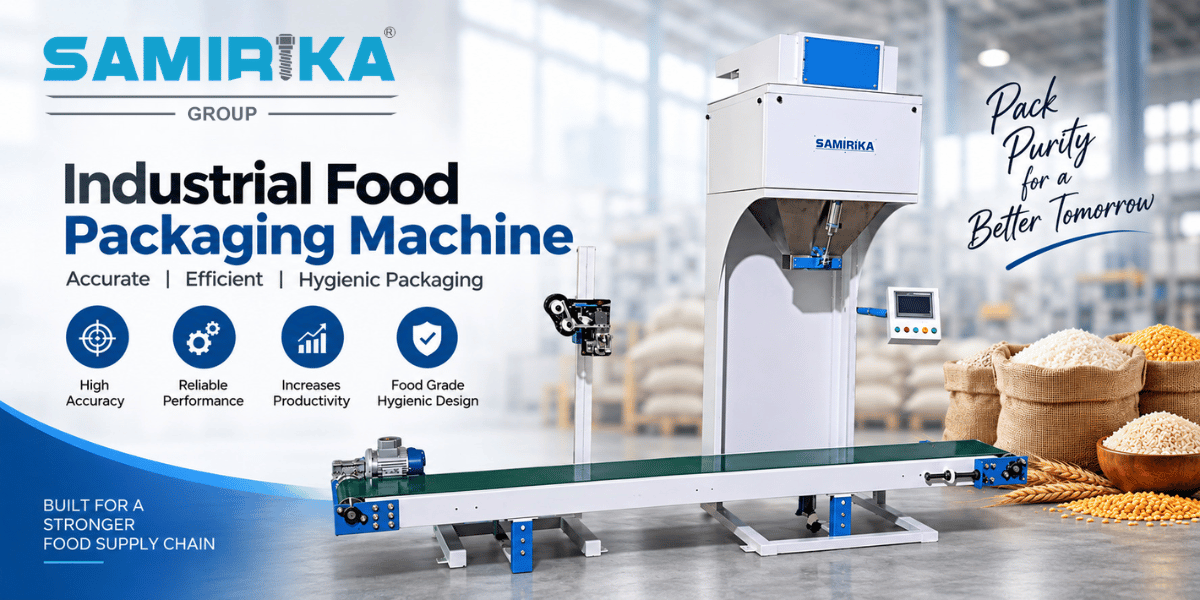
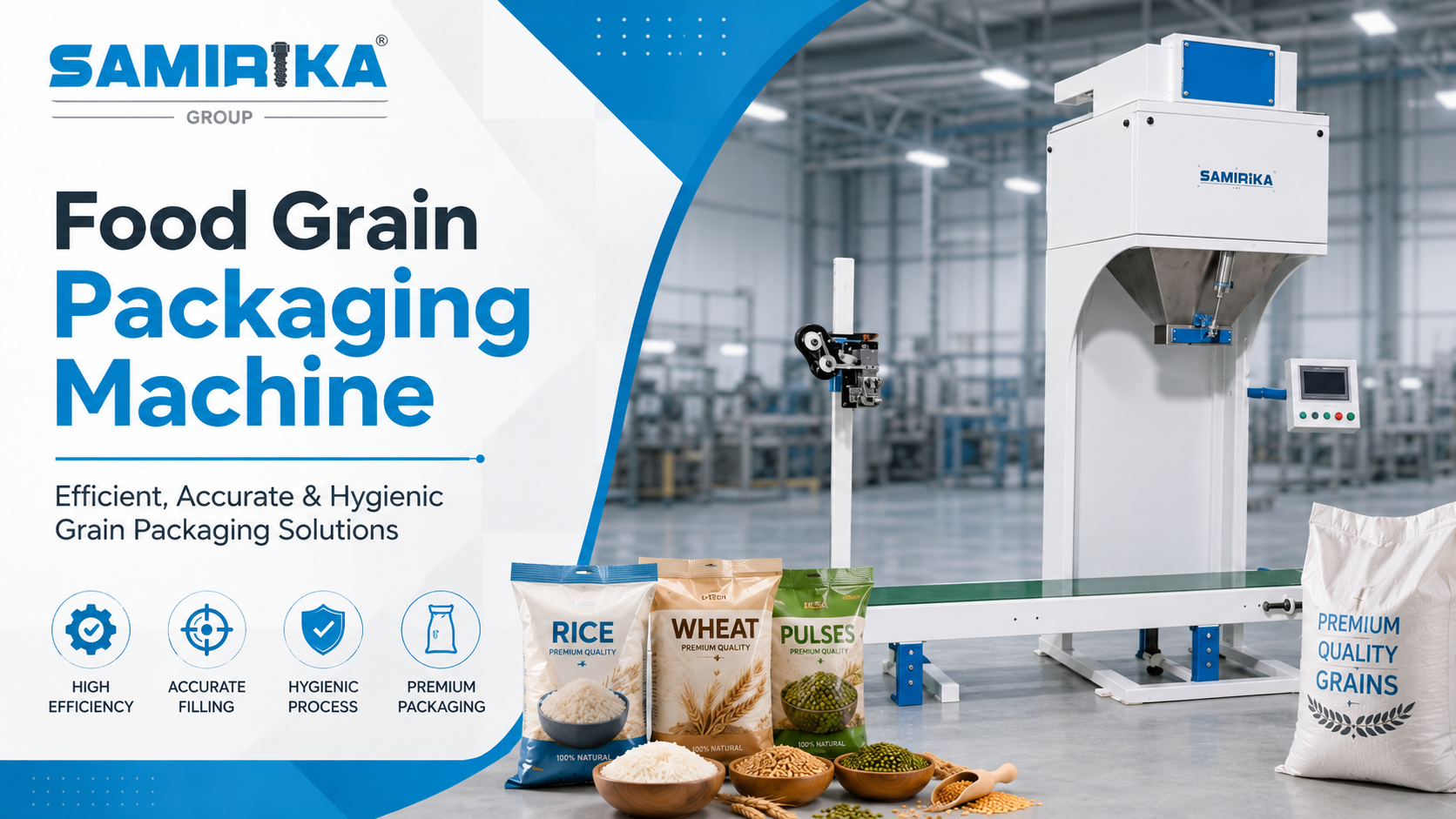
A Food Grain Packaging Machine is specialized equipment used for weighing, filling, packing, and sealing different types of food grains. It is suitable for free-flowing products such as rice, wheat, pulses, lentils, seeds, cereals, and similar grain-based materials. The machine works by moving grain from a feeding system into a weighing or filling unit, then transferring the measured quantity into a bag, pouch, or container.
The main purpose of this machine is to provide accurate packing with minimum wastage. Weight accuracy is especially important in food grain packaging because even small variations can affect product consistency and business operations. A properly configured packaging machine helps maintain uniform quantity in every pack while supporting better productivity.
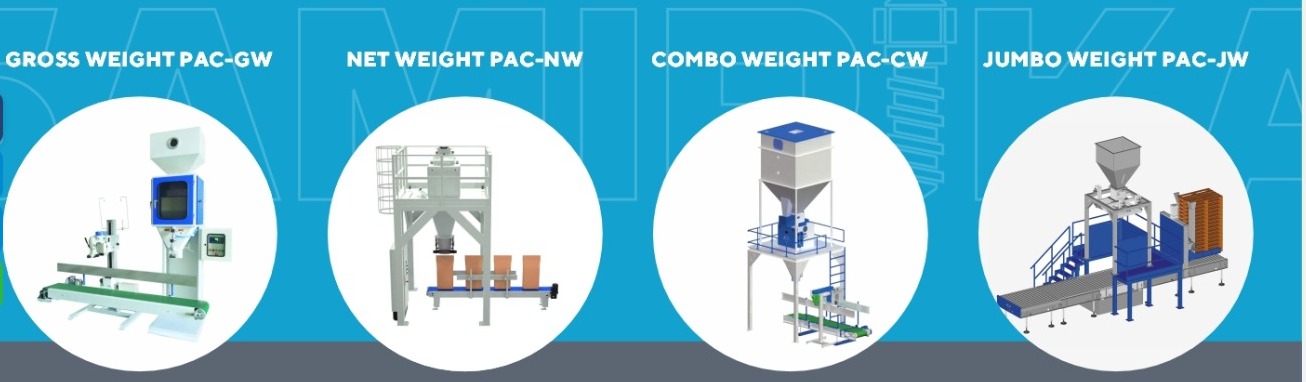
Different machines are available based on product type, packing size, automation level, and production capacity. Some machines are designed for small pouches, while others are suitable for larger bags and bulk filling. The right selection depends on grain flow properties, required packing speed, bag type, sealing method, and operational needs.
Key Components of Food Grain Packaging Machine
A Food Grain Packaging Machine includes several important components that work together to deliver accurate, hygienic, and consistent packing.
- Feeding system for smooth grain movement into the machine
- Weighing or filling unit for accurate quantity control
- Hopper for temporary grain storage before filling
- Bag holding or pouch forming system for proper packing alignment
Each component plays a specific role in maintaining packing quality. The feeding system affects product flow, while the weighing unit controls accuracy. The sealing system helps protect packed grains from dust, moisture, and handling damage. A balanced machine design ensures that all these functions work together smoothly.
Importance of Accurate Weighing in Grain Packaging
Accurate weighing is one of the most important requirements in food grain packaging. Grains are often packed in fixed quantities, and consistency is expected in every pack. If the weight is higher than required, it can lead to product loss. If the weight is lower, it can affect customer trust and compliance.
A Food Grain Packaging Machine uses weighing systems designed to maintain repeatable accuracy. Load cell-based weighing systems are commonly used because they offer controlled measurement and better consistency. For products with smooth flow behavior, volumetric filling may also be used depending on the application.
Accurate weighing also improves inventory control. When every pack contains a consistent quantity, businesses can manage stock, dispatch planning, and production output more effectively. This makes the packaging process more organized and reduces unnecessary material wastage.
Applications of Food Grain Packaging Machine
A Food Grain Packaging Machine is used in different agro and food-related operations where dry grains need to be packed accurately and efficiently.
- Rice packaging for retail and bulk supply
- Wheat packaging for storage and distribution
- Pulses and lentils packing
- Maize and millet packaging
- Seed packaging for agriculture use
These applications show that the machine is useful across small, medium, and large-scale operations. The purpose remains consistent in every application: accurate filling, clean handling, secure packing, and improved productivity.
Benefits of Using Food Grain Packaging Machine
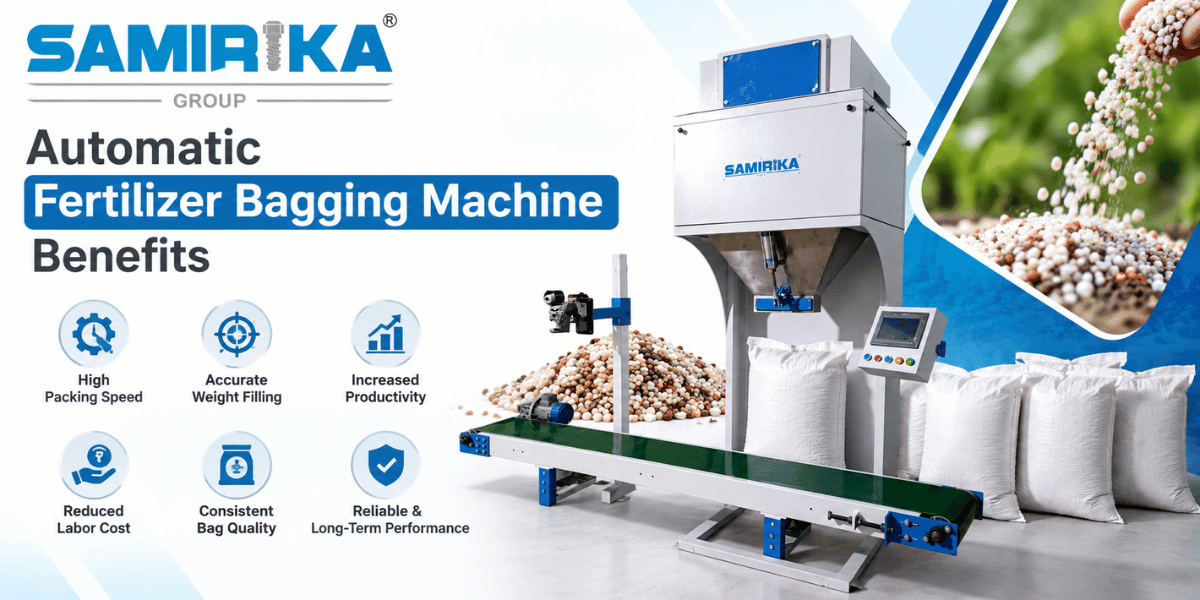
Using a Food Grain Packaging Machine offers practical benefits for businesses involved in regular grain packing operations.
- Improves packing speed and daily production output
- Reduces manual filling and weighing errors
- Maintains accurate and consistent pack weight
- Supports cleaner and more hygienic packaging
- Reduces product wastage during packing
These benefits make the machine valuable for food grain processors, agro product suppliers, warehouses, mills, and packaging units. By reducing manual dependency, the machine helps create a more systematic and reliable packaging workflow.
Types of Packing Supported
Food grains may be packed in different formats depending on market and handling needs. A Food Grain Packaging Machine can support various packaging options based on its configuration. Common formats include pouches, bags, sacks, laminated packs, woven bags, paper bags, and plastic containers.
For smaller packs, pouch packing systems are often used. For medium and large packs, bag filling systems with stitching or sealing may be preferred. The right selection depends on product quantity, packaging material, packing speed, and storage requirements.
Packaging material also plays an important role. Grains need protection from moisture, dust, pests, and handling damage. Proper sealing or stitching helps maintain the quality of packed grains until they reach the final user or storage location.
Why Food Grain Packaging Quality Matters
Packaging quality affects how food grains are stored, transported, displayed, and used. Poor packaging can lead to leakage, weight variation, contamination, or product damage. A Food Grain Packaging Machine helps reduce these risks by creating a controlled and consistent packing process.
Consistent packaging also supports professional handling in warehouses and supply chains. Properly filled and sealed packs are easier to stack, move, and dispatch. This improves overall operational efficiency and supports better product management from packing to delivery.
FAQs
Conclusion
A Food Grain Packaging Machine plays a valuable role in agro and food grain packaging by improving accuracy, hygiene, speed, and consistency. It helps businesses manage grain packing in a structured way while reducing manual errors and product wastage. From feeding and weighing to filling and sealing, each stage of the machine supports better packing quality.
For products like rice, wheat, pulses, maize, millet, seeds, and cereals, proper packaging is essential for storage, handling, and distribution. A suitable Food Grain Packaging Machine helps maintain product quality, supports operational efficiency, and creates a more reliable packaging process for food grain businesses.