Fertilizer Powder Packing Machine
Explore advanced fertilizer powder packing machines for accurate, efficient packaging in India. Understand features, applications, and selection criteria for yo
Why This Matters in India
India's agricultural sector is a cornerstone of its economy, with a vast network of farmers and a significant demand for fertilizers. The efficient packaging of these vital agricultural inputs directly impacts supply chain reliability, product quality, and ultimately, agricultural productivity across the nation. With diverse regional needs and varying scales of operation, from large-scale manufacturers to regional distributors, the need for robust and adaptable fertilizer powder packing solutions is consistently high. Modern packing machines help meet this demand by ensuring consistent product delivery and reducing waste.
What is a Fertilizer Powder Packing Machine – Overview
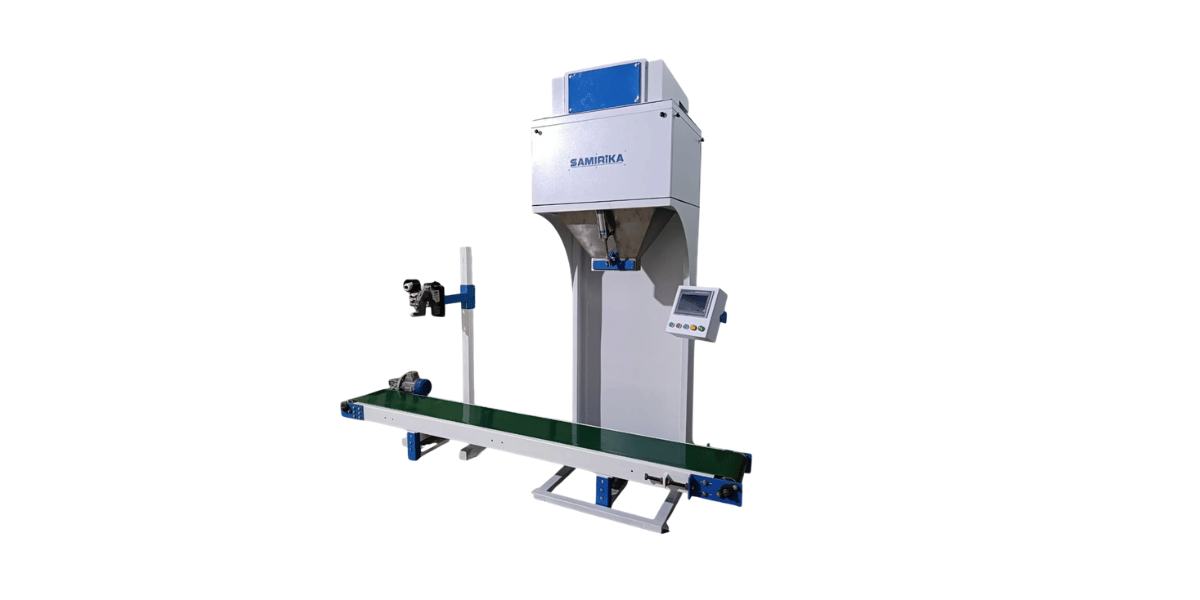
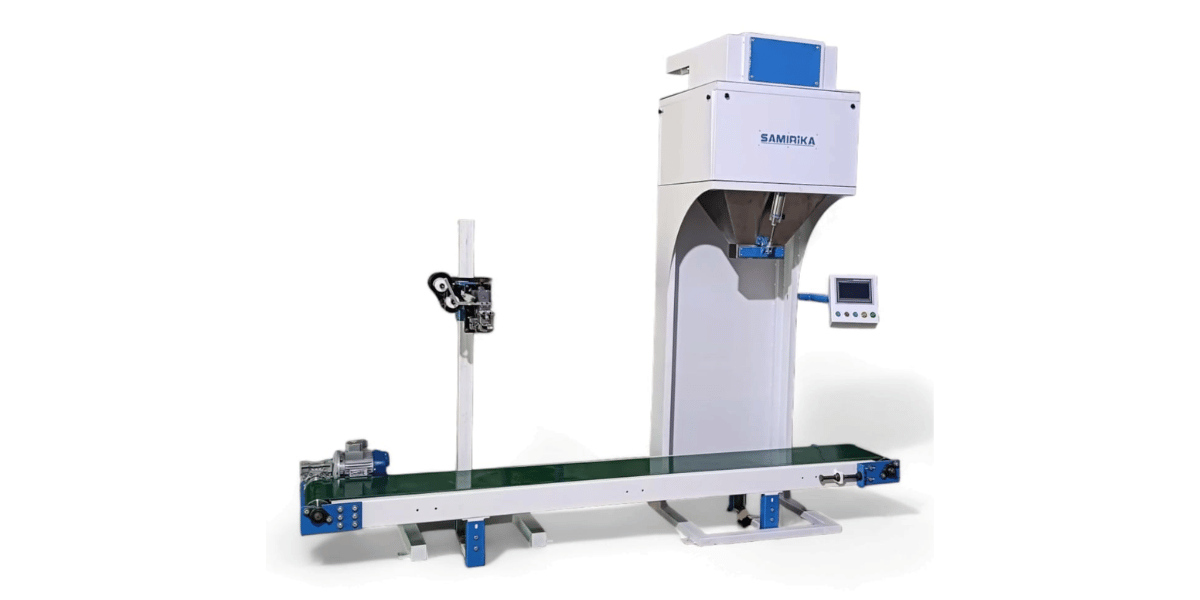
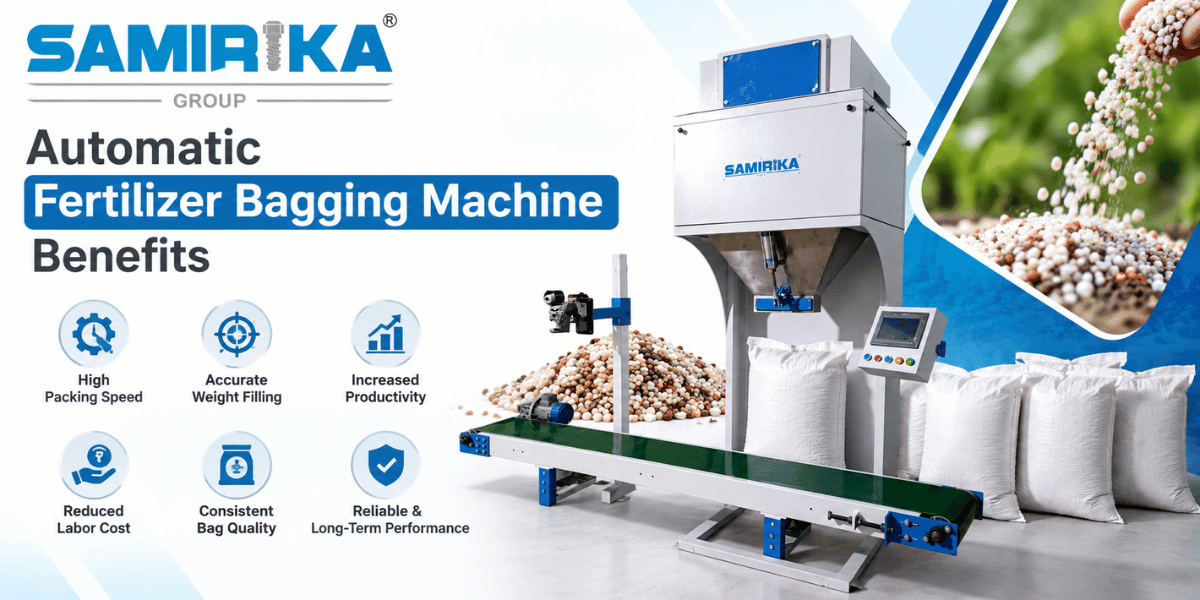
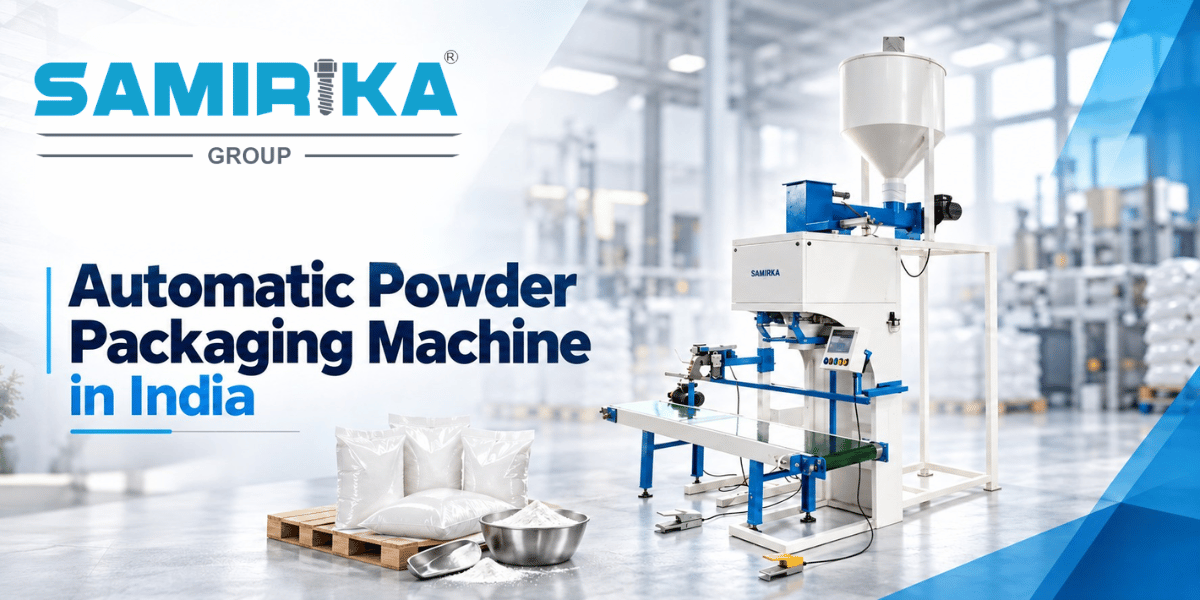
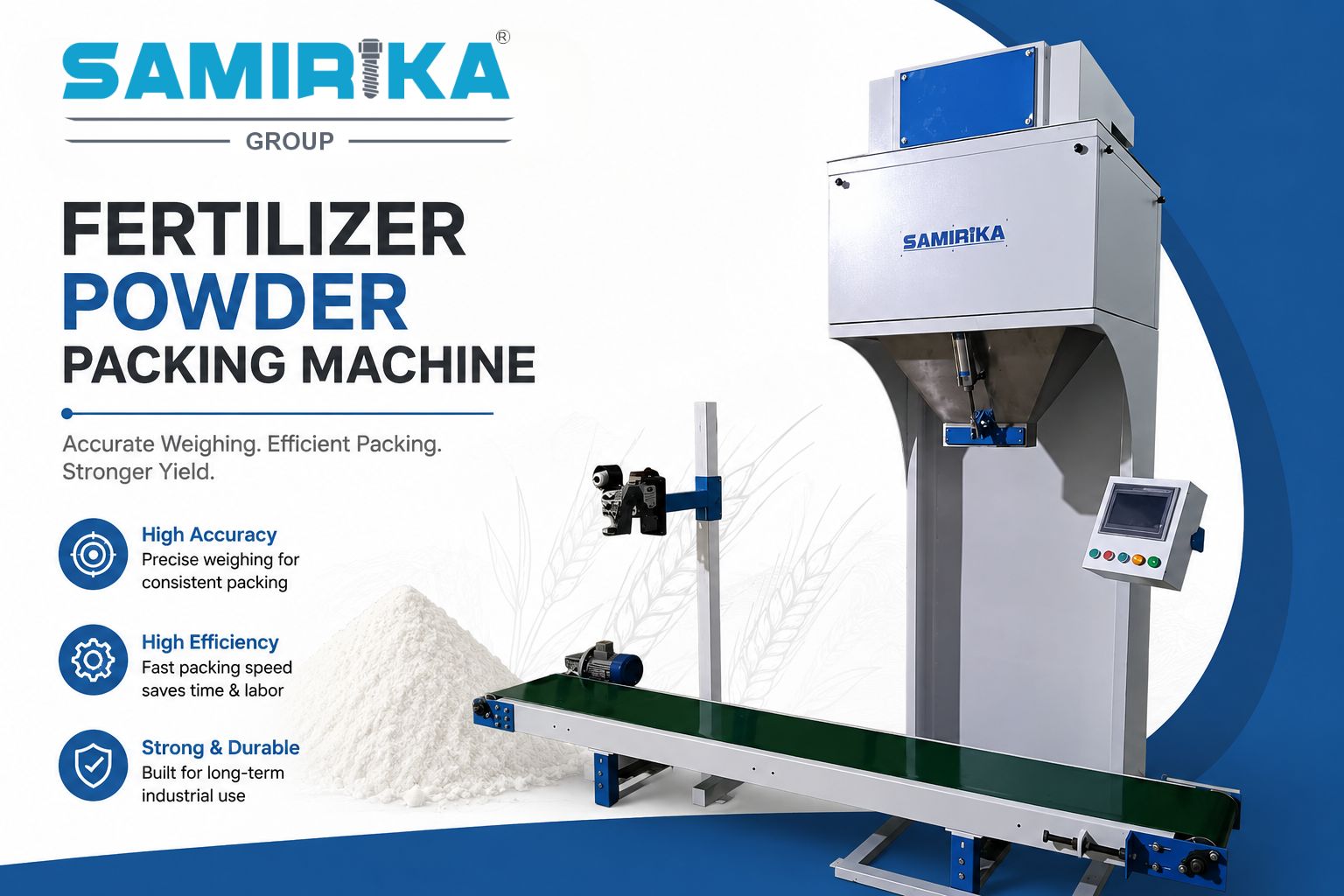
A fertilizer powder packing machine is specialized industrial equipment engineered to automate the process of filling and sealing bags or containers with powdered or granular fertilizers. These machines integrate several key systems, including material feeding, precise weighing, bag handling, and secure sealing. Their design accounts for the abrasive and sometimes corrosive nature of fertilizers, as well as the need for accurate dosing to meet regulatory standards and customer expectations. The goal is to streamline packaging operations, improve throughput, and ensure product stability during storage and transport.
Key Features and Technical Specifications
- High-Precision Weighing System: Utilizes load cells or volumetric feeders for accurate measurement of fertilizer quantities.
- Robust Feeding Mechanism: Ensures consistent and controlled flow of powder or granules from hopper to packaging unit.
- Versatile Bag Handling: Accommodates various bag types, including woven sacks, plastic bags, and multi-layer pouches, with adjustable clamps.
- Integrated Sealing Unit: Employs heat sealing, stitching, or impulse sealing methods for airtight and secure bag closures.
- Dust Collection System: Minimizes airborne dust particles, maintaining a cleaner working environment and reducing product loss.
- User-Friendly Control Panel: Features PLC-based controls with HMI for easy parameter adjustment, monitoring, and diagnostics.
- Corrosion-Resistant Construction: Components in contact with fertilizer are often made from stainless steel or treated materials to resist corrosion.
- Safety Interlocks and Emergency Stops: Incorporates essential safety features to protect operators and prevent operational hazards.
Industrial Applications and Use Cases
- Fertilizer Manufacturing Plants: High-volume packaging of urea, DAP, NPK, and other compound fertilizers.
- Agro-Chemical Production: Packaging of powdered pesticides, herbicides, and micronutrients for agricultural use.
- Organic Fertilizer Processing: Efficient bagging of organic composts, vermicompost, and bio-fertilizers.
- Bulk Material Handling: Used in facilities that repackage large quantities of raw fertilizer materials into smaller retail or commercial bags.
- Seed and Granule Packaging: Adaptable for packaging various granular products beyond fertilizers, such as seeds or animal feed.
- Mineral Processing: Packaging of powdered minerals used in agricultural or industrial applications.
- Custom Blending Operations: For packaging custom-formulated fertilizer blends tailored to specific crop or soil requirements.
How to Choose the Right Fertilizer Powder Packing Machine
Selecting the appropriate fertilizer powder packing machine involves a careful assessment of operational needs and product characteristics. A well-informed decision ensures long-term efficiency and reliability.
- Capacity Requirements: Determine the desired output rate (bags per hour) and the range of bag weights to be handled.
- Product Characteristics: Consider the flow properties, density, abrasiveness, and moisture content of the specific fertilizer powder.
- Packaging Material Compatibility: Verify the machine can handle the intended bag types (e.g., woven, laminated, plastic) and sealing methods.
- Certifications and Standards: Look for machines that comply with relevant industrial safety and quality standards, such as ISO.
- Supplier Experience and Reputation: Choose a supplier with a proven track record in manufacturing and supporting industrial packing machinery.
- After-Sales Support and Service: Evaluate the availability of spare parts, technical assistance, and maintenance services.
- Customization Options: Assess if the machine can be tailored to specific operational layouts, integration with existing lines, or unique product needs.
- Dust Control Effectiveness: Prioritize machines with robust dust collection systems to ensure a clean and safe working environment.
Quality Standards and Compliance
Adherence to quality standards and compliance is paramount for fertilizer powder packing machines, ensuring both operational safety and product integrity. Buyers should verify that machines meet recognized industrial standards, which often include ISO certifications for manufacturing quality and safety. Specific electrical and mechanical safety standards, such as those set by IEC, are also crucial. Furthermore, components that come into contact with the fertilizer should be food-grade or corrosion-resistant, depending on the product, to prevent contamination and ensure durability. Verifying these compliance factors before selection helps mitigate risks and ensures reliable, long-term performance.
Why Company Experience and Capability Matters
When investing in a fertilizer powder packing machine, the experience and capability of the manufacturing company are critical considerations. A company like Samirika Industries, with established expertise, brings a deep understanding of material handling challenges specific to fertilizer powders. Their manufacturing process reflects precision engineering, utilizing robust materials and advanced fabrication techniques to build durable machines. This technical capability ensures that each machine is designed for consistent performance, minimal downtime, and ease of maintenance.
Samirika Industries' team experience translates into reliable quality control throughout production, from component sourcing to final assembly and testing. Their ability to offer customization means machines can be adapted to unique plant layouts or specific fertilizer formulations, providing tailored solutions rather than generic equipment. This comprehensive approach, combined with reliable delivery schedules and responsive after-sales support, ensures that clients receive not just a machine, but a complete, dependable packaging solution that integrates seamlessly into their operations.
Installation, Maintenance and Care Tips
Proper installation, routine maintenance, and attentive care are essential for maximizing the lifespan and efficiency of a fertilizer powder packing machine.
- Installation: Ensure the machine is installed on a level, stable foundation in a well-ventilated area, away from excessive moisture or corrosive fumes. All electrical connections must comply with local safety codes, and pneumatic lines should be properly secured and leak-free.
- Initial Calibration: Perform a thorough calibration of the weighing and filling systems with the specific fertilizer product to ensure accurate dosing from the outset.
- Regular Cleaning: Clean all contact parts, especially the feeding and weighing components, daily to prevent material buildup and corrosion. Use appropriate cleaning agents that do not react with machine materials.
- Lubrication Schedule: Follow the manufacturer's guidelines for lubricating moving parts, bearings, and chains to reduce friction and wear.
- Component Inspection: Periodically inspect belts, seals, sensors, and electrical wiring for signs of wear, damage, or loose connections. Replace worn parts promptly to prevent larger failures.
- Dust System Maintenance: Regularly clean or replace filters in the dust collection system to maintain its effectiveness and ensure a healthy working environment.
- Operator Training: Ensure all operators are thoroughly trained on the machine's functions, safety protocols, and basic troubleshooting procedures.
Frequently Asked Questions
A fertilizer powder packing machine is designed to handle a wide range of fertilizer types, including fine powders, granular materials, and crystalline forms. This includes common agricultural fertilizers like urea, diammonium phosphate (DAP), NPK compounds, as well as organic fertilizers, micronutrients, and specialized agro-chemicals. The machine's feeding and weighing systems are typically adjustable to accommodate varying material densities and flow characteristics for precise packaging.
Accuracy in a fertilizer powder packing machine is primarily achieved through advanced weighing systems, often utilizing load cells. These load cells precisely measure the weight of the fertilizer as it is dispensed into the bag. Many machines also incorporate vibratory feeders or auger fillers with variable speed controls, allowing for a bulk fill followed by a dribble feed to achieve the exact target weight, minimizing product giveaway and ensuring consistency.
Yes, most modern fertilizer powder packing machines are designed with modularity in mind, allowing for seamless integration into existing production lines. They can be connected with upstream equipment like mixers and conveyors, and downstream systems such as bag closing machines, palletizers, and stretch wrappers. This integration helps create a fully automated packaging process, improving overall plant efficiency and reducing manual labor requirements.
The power requirements for a fertilizer powder packing machine can vary significantly based on its size, capacity, and level of automation. Smaller semi-automatic machines might require single-phase power, while larger, fully automatic systems typically demand three-phase power with higher voltage and amperage. It is crucial to consult the machine's technical specifications and ensure that the electrical infrastructure at the installation site can safely support these requirements.
Regular maintenance for a fertilizer powder packing machine involves several key tasks to ensure optimal performance and longevity. This includes daily cleaning of contact parts to prevent corrosion and material buildup, routine lubrication of moving components, and periodic inspection of belts, seals, and electrical connections. Dust collection filters also need regular cleaning or replacement. Following the manufacturer's recommended maintenance schedule is essential.
Yes, fertilizer powder packing machines are highly versatile and can be configured to handle a wide array of bag sizes and materials. They typically feature adjustable bag clamps and sealing mechanisms that accommodate various bag widths and lengths. Common materials include woven polypropylene bags, multi-layer laminated bags, and plastic pouches. Many machines offer quick changeover capabilities to switch between different bag formats efficiently.
Conclusion
The role of a reliable fertilizer powder packing machine is indispensable for the agricultural sector, particularly in a country like India where efficient fertilizer distribution is key to food security. Investing in the right equipment ensures not only precise product measurement and secure packaging but also contributes to operational efficiency and reduced waste. When considering such an investment, prioritizing factors like machine capacity, adherence to quality standards, and the proven experience of the supplier will lead to a robust and sustainable packaging solution.
Get In Touch
Samirika Industries