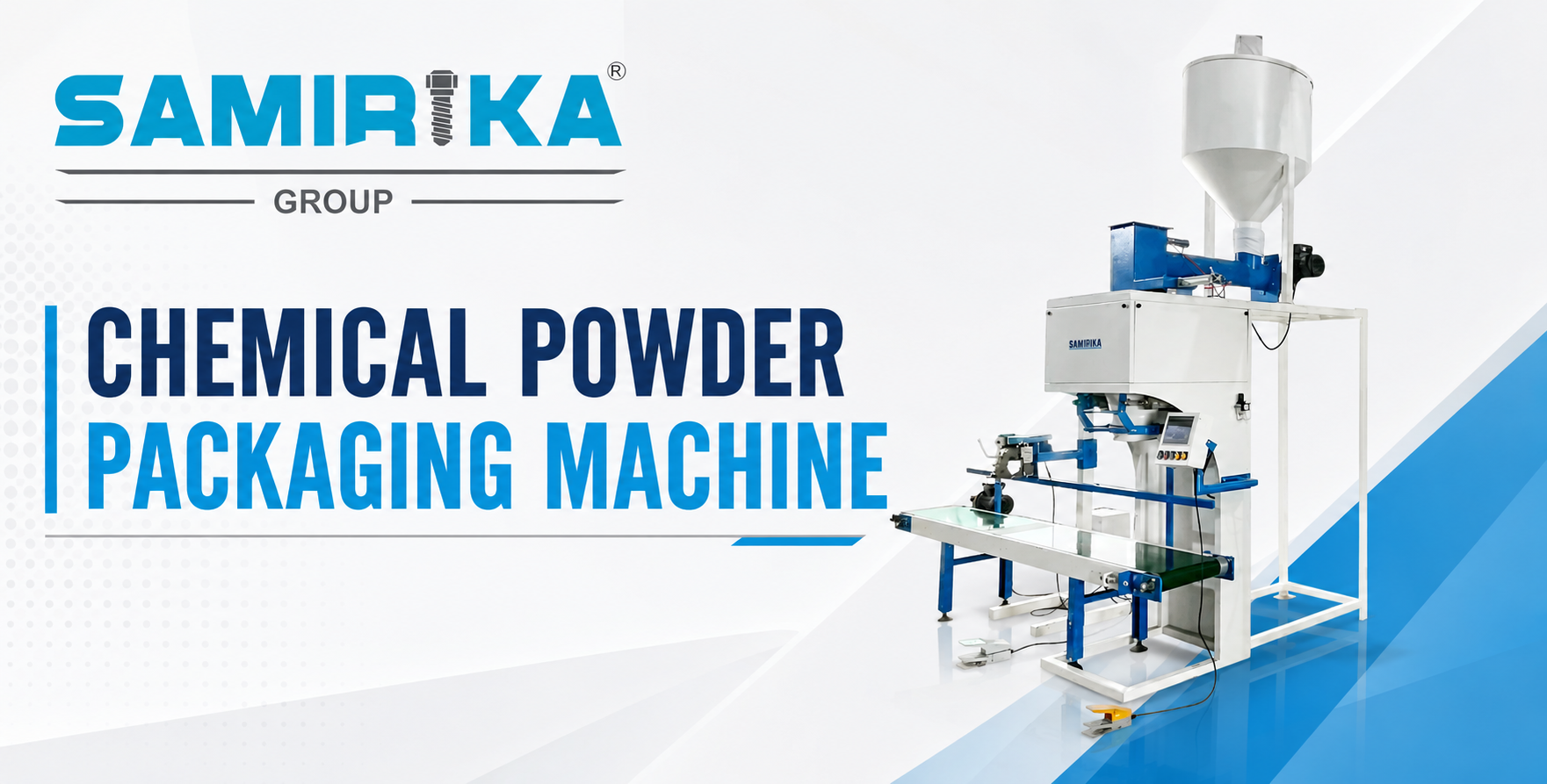
Chemical Powder Packaging Machine
Explore robust chemical powder packaging machines for precise, safe, and efficient operations in Ahmedabad. Find reliable solutions for diverse industrial needs
Why This Matters in Ahmedabad
Ahmedabad stands as a significant industrial and manufacturing hub within India, particularly for chemical, pharmaceutical, and agrochemical sectors. This dynamic industrial landscape generates a consistent demand for advanced packaging solutions that can meet stringent local and international standards. Businesses in Ahmedabad require reliable chemical powder packaging machines to support their production volumes, ensure product stability during transit, and comply with safety regulations. The ability to access dependable machinery and expert support locally is a key advantage for maintaining competitive operations and fostering industrial growth in the region.
What Is a Chemical Powder Packaging Machine — Overview
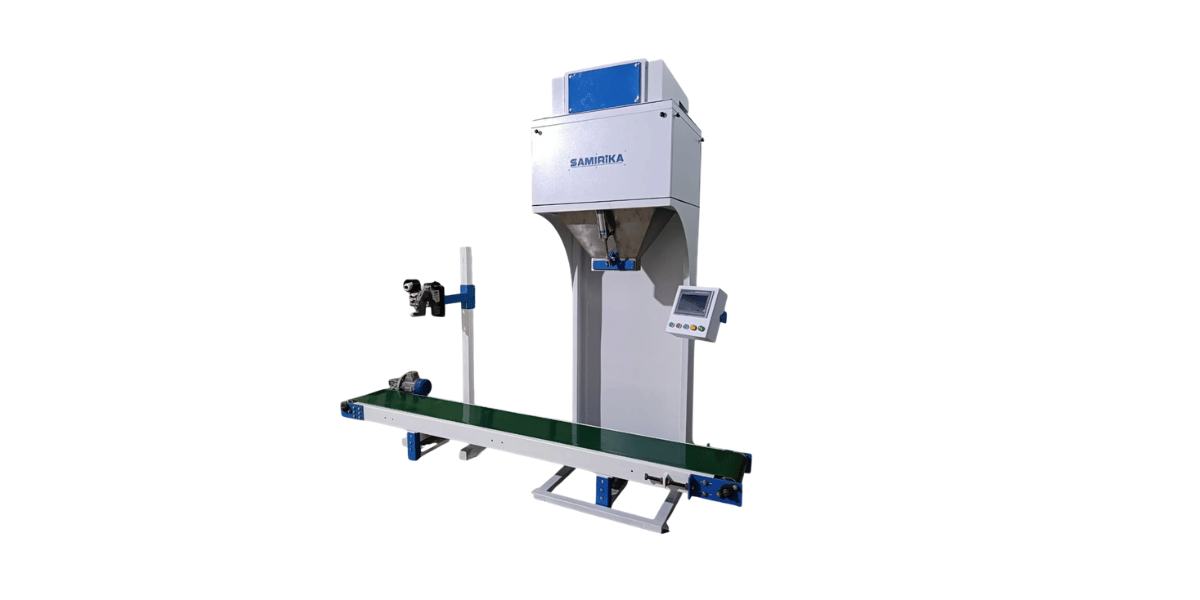
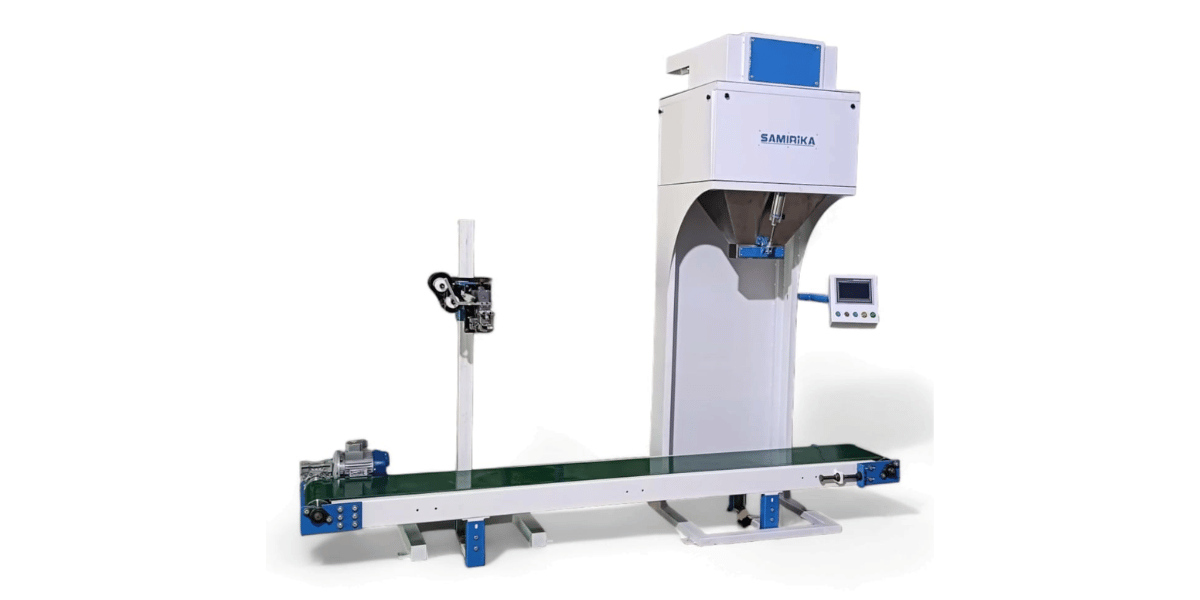
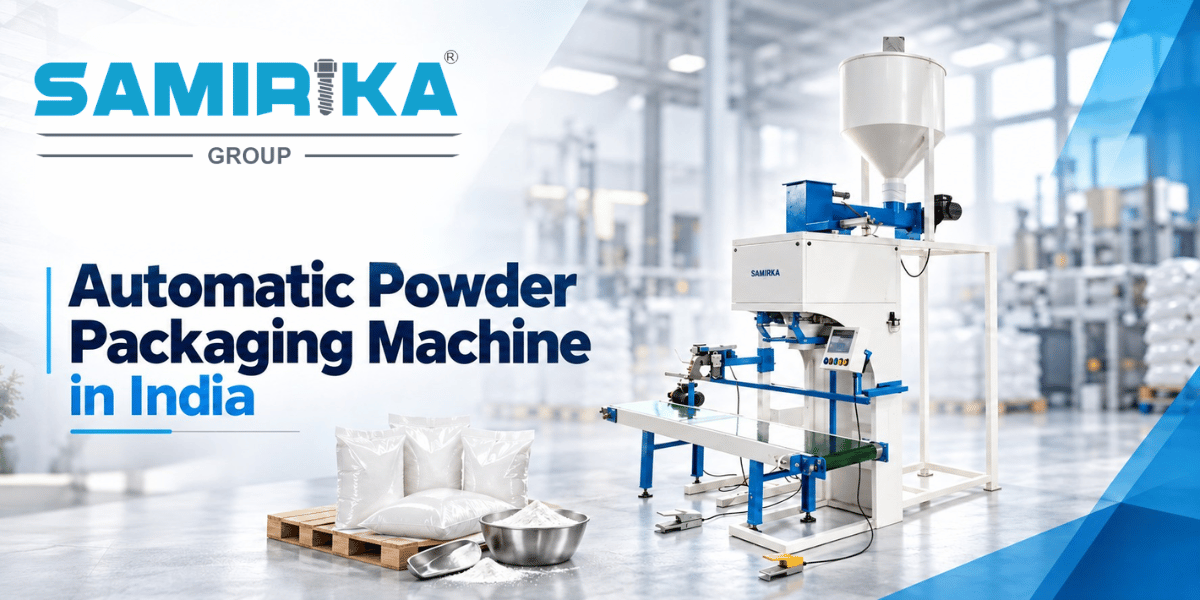
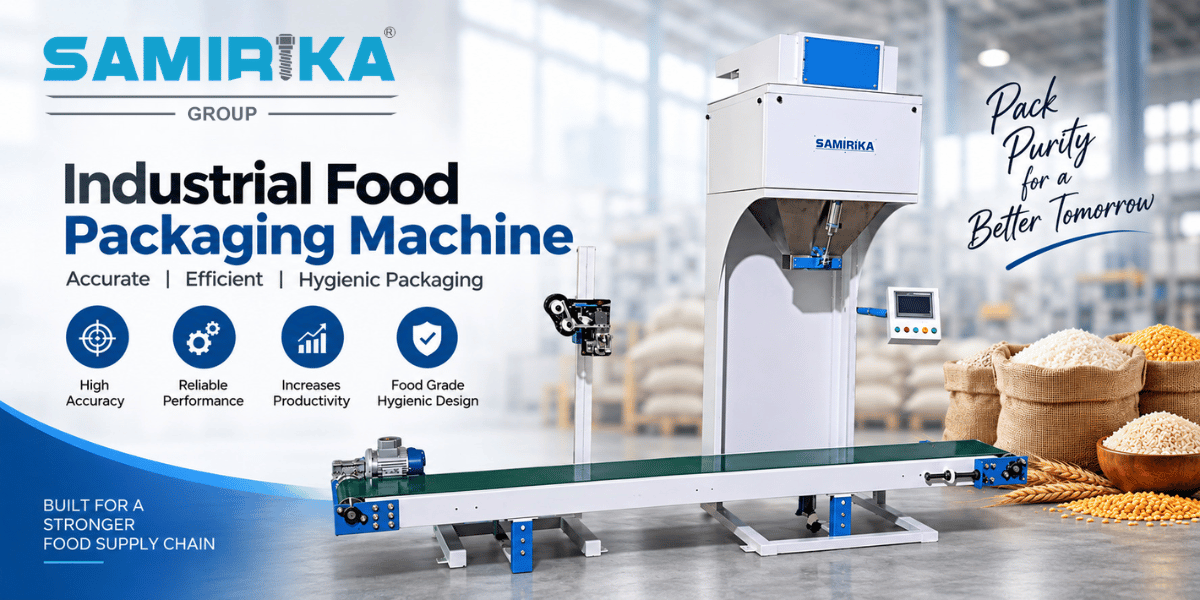
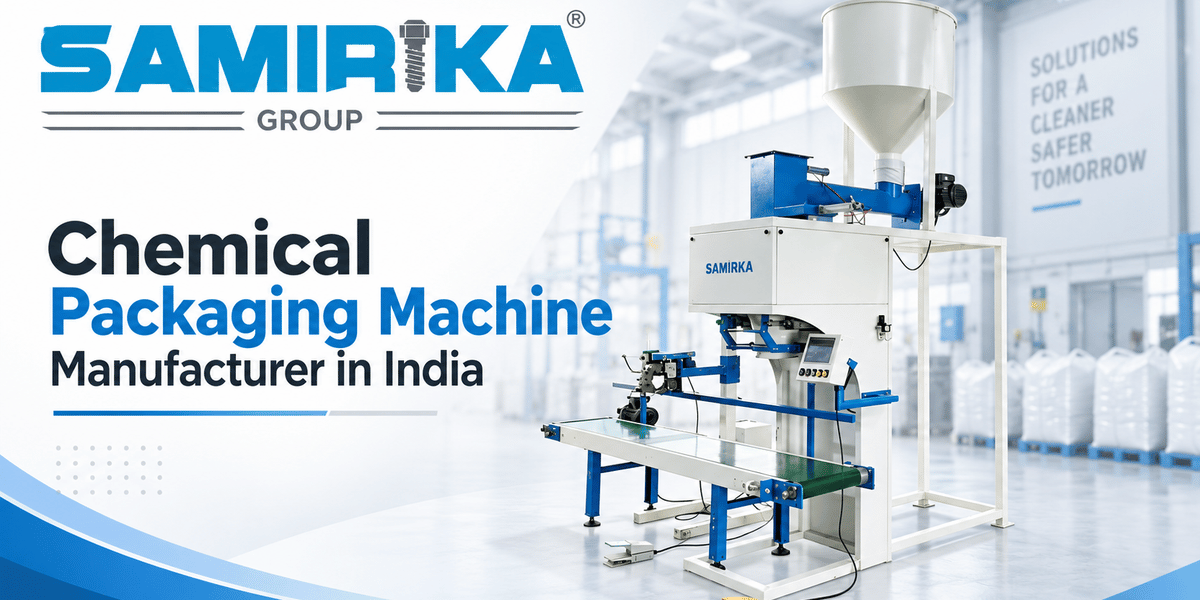
A chemical powder packaging machine is an automated or semi-automated system designed to fill and seal various types of chemical powders into bags, pouches, or containers. Its core function involves accurately dispensing a predetermined weight or volume of powder into packaging materials, followed by a secure sealing process. These machines typically integrate several components, including a feeding system to convey the powder, a weighing or volumetric filling mechanism for precision, and a sealing unit to create an airtight closure. The design often incorporates features to manage dust, prevent contamination, and ensure safe handling of potentially hazardous materials.
Key Features and Technical Specifications
- Precision Weighing System: Utilizes load cells or auger fillers to ensure highly accurate measurement of powder quantities, minimizing product giveaway and ensuring consistency.
- Robust Feeding Mechanism: Designed to handle various powder characteristics, from free-flowing granules to cohesive fine powders, ensuring a steady and controlled material flow.
- Versatile Packaging Options: Accommodates a range of bag sizes, pouch types, and container formats, offering flexibility for different product lines and market requirements.
- Hermetic Sealing Capability: Employs heat sealing, impulse sealing, or ultrasonic sealing technologies to create secure, airtight, and tamper-evident closures.
- Integrated Dust Collection System: Features a vacuum system or enclosed design to capture airborne powder particles, maintaining a cleaner working environment and enhancing operator safety.
- Intuitive Control Panel: Equipped with a user-friendly interface for easy adjustment of parameters like fill weight, speed, and sealing temperature, improving operational efficiency.
- Comprehensive Safety Interlocks: Incorporates emergency stop buttons, protective guarding, and sensor-based safety features to safeguard operators during machine operation.
- Automated Operation: Advanced models offer fully automatic feeding, filling, weighing, sealing, and ejection, significantly reducing manual intervention and increasing throughput.
Industrial Applications and Use Cases
- Chemical Manufacturing: Packaging of industrial chemicals, pigments, dyes, resins, and catalysts into various bag and container sizes for bulk distribution.
- Pharmaceutical Industry: Filling powdered active pharmaceutical ingredients (APIs), excipients, and finished drug formulations into sterile pouches or bottles.
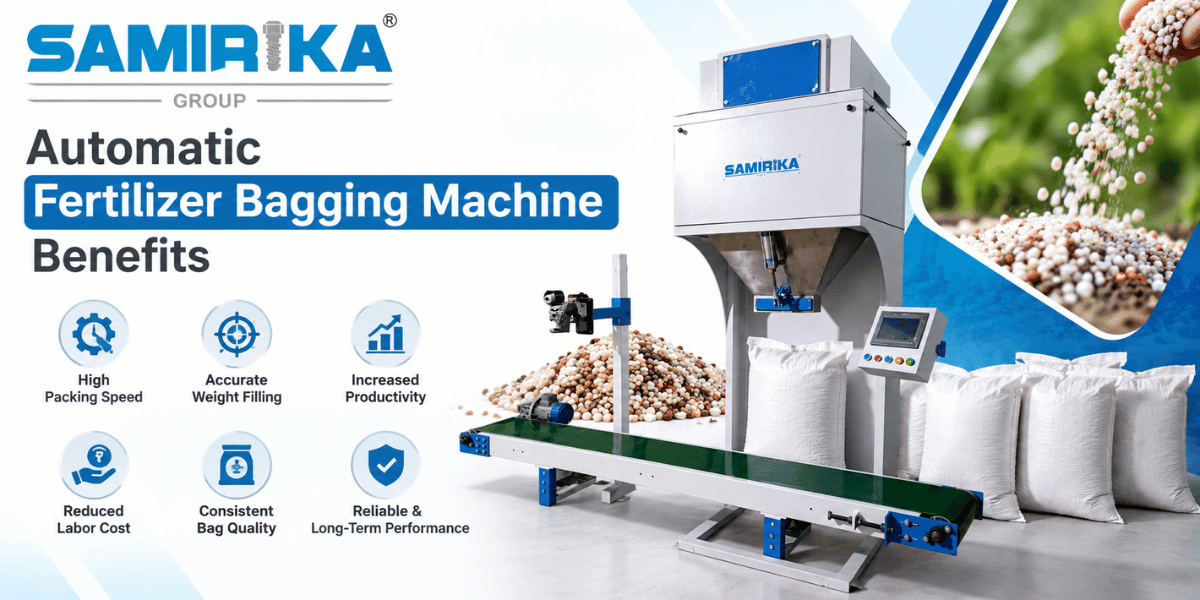
- Agrochemical Sector: Packaging fertilizers, pesticides, herbicides, and soil conditioners into durable bags suitable for agricultural use.
- Construction Materials: Dispensing cement additives, dry mortar mixes, grouts, and specialized sealants into robust packaging for the building industry.
- Food-Grade Chemicals: Handling food additives, flavorings, and processing aids in hygienic packaging environments to meet food safety standards.
- Cosmetics Production: Packaging talcum powder, face powders, and other cosmetic ingredients into consumer-ready containers or bulk supply.
- Cleaning Products: Filling powdered detergents, dishwashing compounds, and industrial cleaning agents into consumer or institutional packaging.
How to Choose the Right Chemical Powder Packaging Machine
Selecting the appropriate chemical powder packaging machine requires careful consideration of several operational and technical factors. A thorough evaluation ensures the chosen equipment aligns with specific production needs and long-term business goals. This decision impacts efficiency, product quality, and overall operational safety.
- Powder Characteristics: Assess the specific properties of the chemical powder, such as particle size, density, flowability, abrasiveness, and hygroscopy, to ensure compatibility with the machine's feeding and filling mechanisms.
- Required Production Capacity: Determine the desired output rate in terms of packages per minute or kilograms per hour to match the machine's speed and efficiency capabilities.
- Packaging Material and Format: Verify that the machine can handle your intended packaging types, whether it's pre-made bags, roll stock film for FFS (Form-Fill-Seal), bottles, or drums, along with the specific material properties.
- Accuracy and Precision Needs: Evaluate the required filling accuracy to minimize product waste and ensure consistent package weights, especially for high-value or regulated chemicals.
- Hygiene and Safety Standards: Confirm the machine's design meets relevant industry hygiene standards (e.g., GMP for pharmaceuticals) and incorporates robust safety features for handling hazardous chemicals.
- Integration with Existing Lines: Consider how easily the new machine can be integrated into your current production line, including upstream feeding and downstream conveying systems.
- Supplier Reputation and Support: Choose a supplier with a proven track record, offering comprehensive installation, training, maintenance, and spare parts support.
- Customization Options: Assess the availability of customization to address unique product requirements, specialized packaging, or specific operational constraints.
Quality Standards and Compliance
Adherence to stringent quality standards and regulatory compliance is non-negotiable when dealing with chemical powder packaging. Manufacturers and buyers must ensure that chemical powder packaging machines meet specific benchmarks to guarantee product integrity, operational safety, and environmental responsibility. Key standards often include ISO 9001 for quality management systems, which ensures consistent product and service quality. For certain applications, such as pharmaceuticals, Good Manufacturing Practices (GMP) are critical, dictating hygienic design, material traceability, and validation protocols. Furthermore, compliance with local industrial safety regulations and environmental protection guidelines is essential to prevent contamination and ensure safe working conditions. Buyers should always verify that the machine manufacturer provides documentation confirming adherence to these relevant standards and certifications.
Why Samirika Industries Experience and Capability Matters
Samirika Industries brings substantial experience to the design and manufacturing of industrial packaging solutions, including chemical powder packaging machines. Our approach focuses on understanding the unique challenges presented by various chemical powders, from fine, dusty materials to corrosive compounds. We emphasize precision engineering in our manufacturing process, ensuring that each machine delivers accurate filling and reliable sealing performance. Our technical team possesses the expertise to customize solutions, addressing specific client requirements for capacity, material handling, and integration into existing production lines. We are committed to robust quality control throughout fabrication and assembly, which translates into durable equipment and consistent operational reliability for our clients. Furthermore, Samirika Industries provides essential after-sales support, including installation guidance and technical assistance, ensuring long-term operational efficiency and peace of mind for buyers.
Installation, Maintenance and Care Tips
Proper installation, routine maintenance, and diligent care are crucial for maximizing the lifespan and performance of any chemical powder packaging machine. Following these guidelines helps ensure continuous, efficient, and safe operation.
- Professional Installation: Always ensure the machine is installed by qualified technicians. Correct leveling, power connection, and calibration are vital for initial accuracy and long-term stability.
- Operator Training: Provide comprehensive training to all operators on machine functions, safety protocols, and basic troubleshooting. This reduces errors and enhances operational safety.
- Regular Cleaning: Implement a strict cleaning schedule, especially when handling different chemical powders, to prevent cross-contamination and maintain hygiene. Use appropriate cleaning agents that do not react with machine components.
- Calibration Checks: Periodically calibrate the weighing and filling systems to maintain accuracy. Deviations can lead to product waste or non-compliance.
- Lubrication: Follow the manufacturer's guidelines for lubricating moving parts. Proper lubrication reduces friction, wear, and extends the life of mechanical components.
- Component Inspection: Regularly inspect wear parts such as seals, belts, and augers for signs of damage or degradation. Replace worn components proactively to prevent unexpected downtime.
- Software Updates: Keep the machine's control software updated as recommended by the manufacturer to benefit from performance improvements and security enhancements.
- Environmental Control: Maintain a stable operating environment, controlling temperature and humidity as specified, to protect sensitive electronic components and ensure powder integrity.
Frequently Asked Questions
Chemical powder packaging machines are engineered to handle a broad spectrum of powdered materials. This includes fine, free-flowing powders like talc or flour, cohesive powders that tend to clump, and abrasive materials such as certain industrial chemicals or minerals. The specific design, including the feeding mechanism and material contact parts, is often tailored to the unique characteristics of the powder being processed, ensuring efficient and safe handling.
Filling accuracy in a chemical powder packaging machine is primarily achieved through advanced weighing systems, such as load cells, or precise volumetric filling mechanisms like auger fillers. These systems are calibrated to dispense a specific quantity of powder into each package. Modern machines often incorporate feedback loops and checkweighers that automatically adjust filling parameters in real-time, ensuring consistent and precise measurements across production runs.
Safety features are paramount in chemical powder packaging machines, especially when dealing with hazardous materials. Essential features include emergency stop buttons, safety interlocks on access doors, protective enclosures to prevent operator contact with moving parts, and dust collection systems to minimize airborne particles. Additionally, designs that facilitate easy cleaning and maintenance reduce exposure risks during routine operations.
Many chemical powder packaging machines are designed with modularity in mind, allowing for seamless integration into existing production lines. This often involves compatible conveying systems, upstream feeding equipment, and downstream packaging machinery. Manufacturers typically offer customization options and technical support to ensure smooth integration, optimizing the overall efficiency and flow of the entire packaging process.
Regular maintenance is vital for the longevity and performance of chemical powder packaging machines. This typically includes routine cleaning to prevent material buildup and cross-contamination, calibration of weighing systems for accuracy, and lubrication of moving parts. Periodic inspection and replacement of wear components like seals, belts, and augers are also necessary to prevent unexpected breakdowns and ensure continuous operation.
Determining the correct machine capacity involves assessing your current and projected production volumes. Consider factors such as the number of packages required per minute or hour, the weight of each package, and the operational hours per day. Consulting with a machine manufacturer can help you analyze these requirements and select a model with the appropriate speed, throughput, and scalability to meet your specific production demands efficiently.
Conclusion
The effective packaging of chemical powders is a critical component of industrial operations, demanding precision, safety, and efficiency. Investing in a reliable chemical powder packaging machine is a strategic decision that impacts product quality, operational costs, and regulatory compliance. By carefully evaluating factors such as powder characteristics, production capacity, safety features, and the technical expertise of the supplier, businesses can secure a solution that enhances their manufacturing capabilities. Choosing a partner like Samirika Industries, with proven experience in delivering robust and customized packaging solutions, ensures that your operations in Ahmedabad and beyond are equipped for consistent performance and long-term success.
Get In Touch
Samirika Industries