Automatic Weighing and Bagging System
In the realm of industrial packaging, achieving consistent accuracy, speed, and efficiency is paramount. Automatic weighing and bagging systems stand at the forefront of this evolution, transforming how businesses handle and package bulk materials. These sophisticated machines integrate precise weighing technology with automated bagging processes, offering a complete solution for diverse material handling needs. From granular products to powders and pellets, these systems ensure that each package is filled to the exact weight, minimizing waste and maximizing output. This technology is crucial for industries ranging from agriculture and food processing to chemicals and polymers, where meticulous control over packaging is essential for product integrity and compliance.
Understanding Automatic Weighing and Bagging Systems
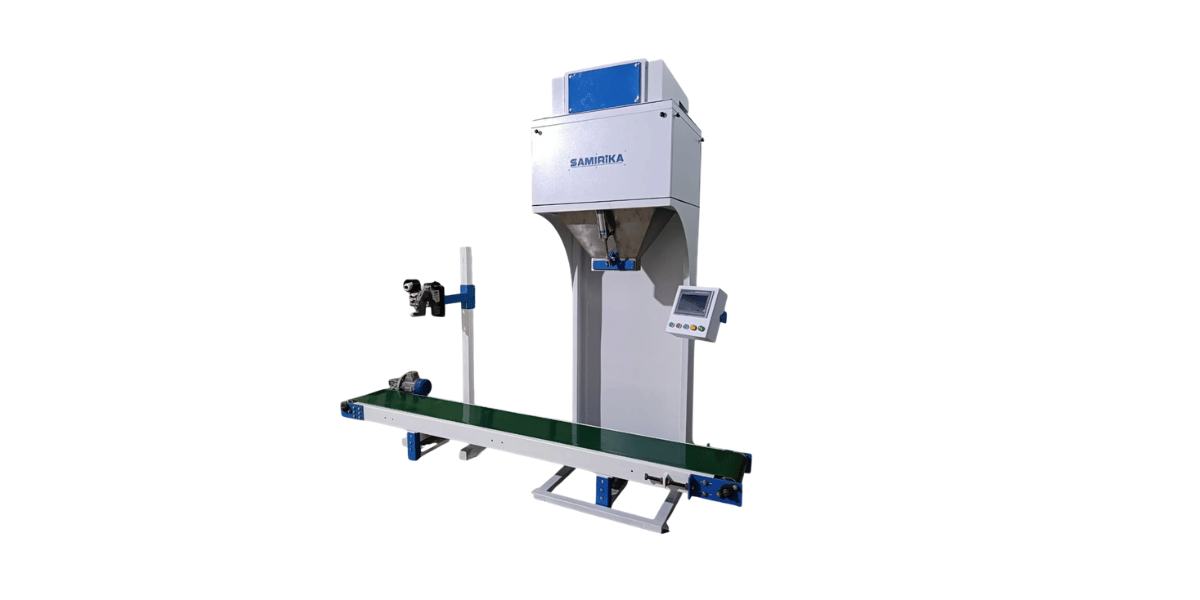
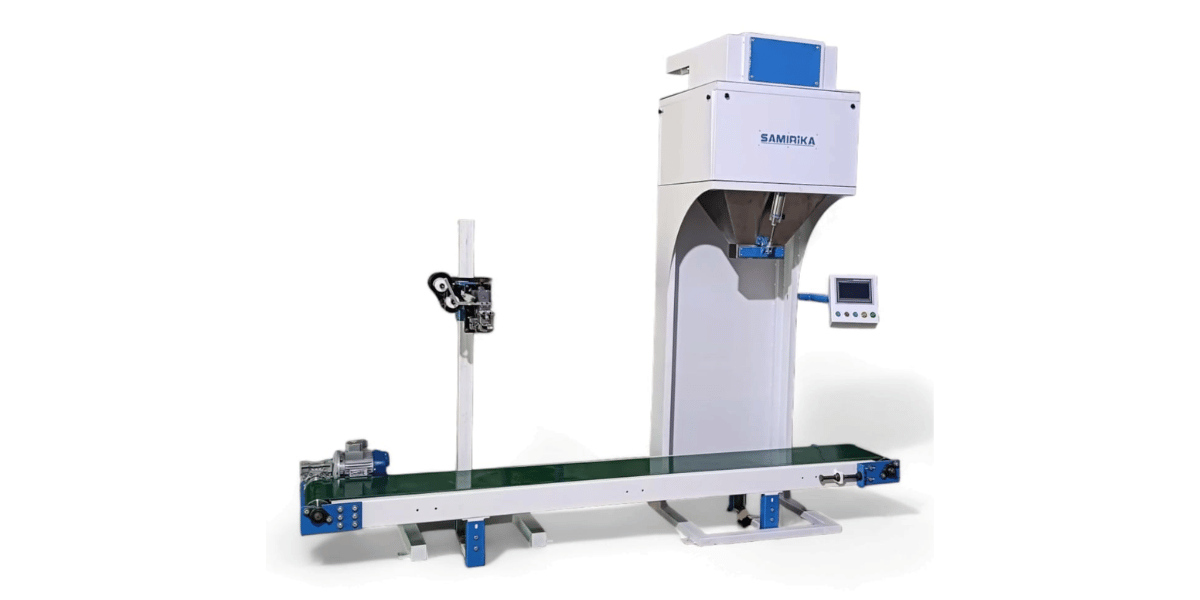
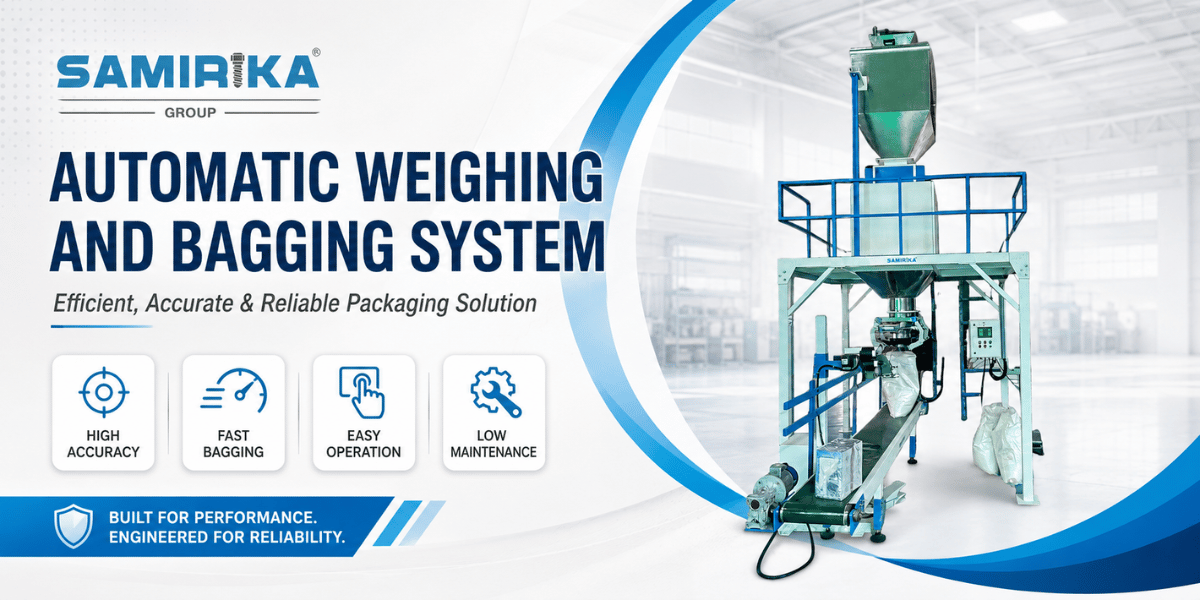
An automatic weighing and bagging system is an advanced piece of industrial equipment designed to accurately measure a set quantity of material and then securely package it into bags. These systems typically employ sophisticated electronic load cells and microprocessor-based controllers to achieve high levels of precision. The process begins with the material being conveyed to a weigh hopper. Once the target weight is reached, as determined by the controller, the material is released into a bag that has been automatically presented and filled.
The automation extends to the bag handling process, which can include bag opening, positioning, filling, and sometimes even initial sealing or closing. This not only speeds up the packaging line but also significantly reduces the need for manual intervention, thereby lowering labor costs and minimizing repetitive strain injuries for workers. The core components usually include a robust frame, a weighing mechanism (often a weigh-fill head), a bag handling system, and a control panel that allows operators to set parameters and monitor performance.
Modern systems are highly configurable, capable of handling a wide array of product types and bag formats. They are engineered for reliability and durability in demanding industrial environments, ensuring continuous operation and consistent results. The integration of automation in this process is a key driver for businesses looking to scale their production while maintaining stringent quality standards.
Key Applications and Use Cases
The versatility of automatic weighing and bagging systems allows them to be deployed across a broad spectrum of industries. Their ability to handle diverse materials with precision makes them indispensable for many packaging operations.
Agro and Food Packaging
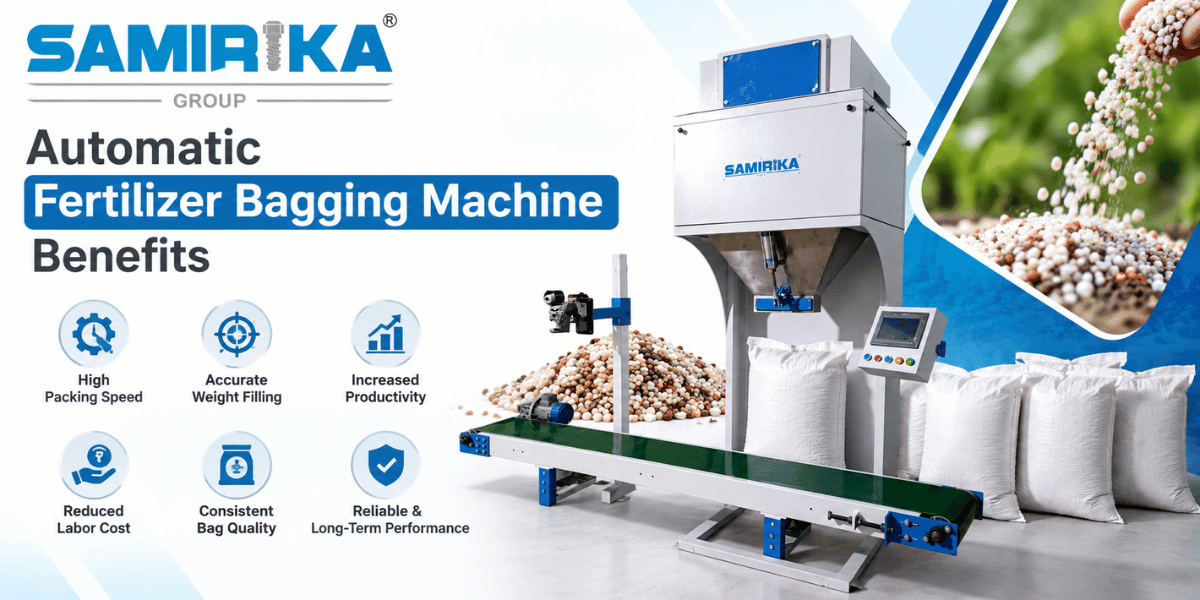
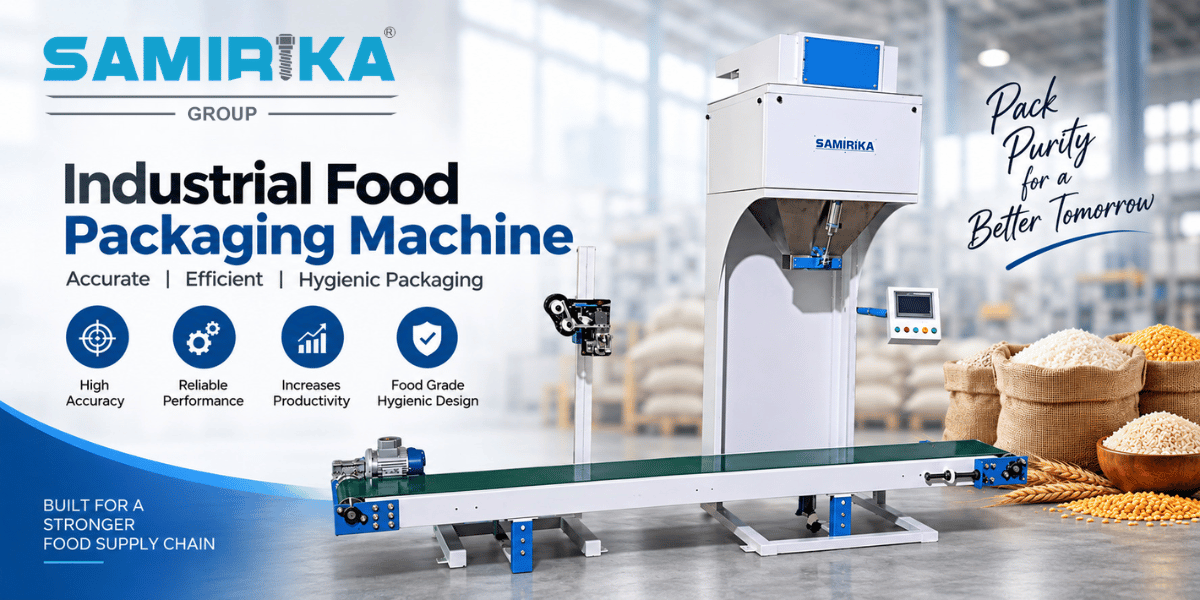
Automatic systems are vital for packaging grains, seeds, animal feed, fertilizers, spices, flour, sugar, and other food products. Ensuring accurate weights and hygienic packaging is crucial for market acceptance and regulatory compliance.
Polymer and Chemical Industry
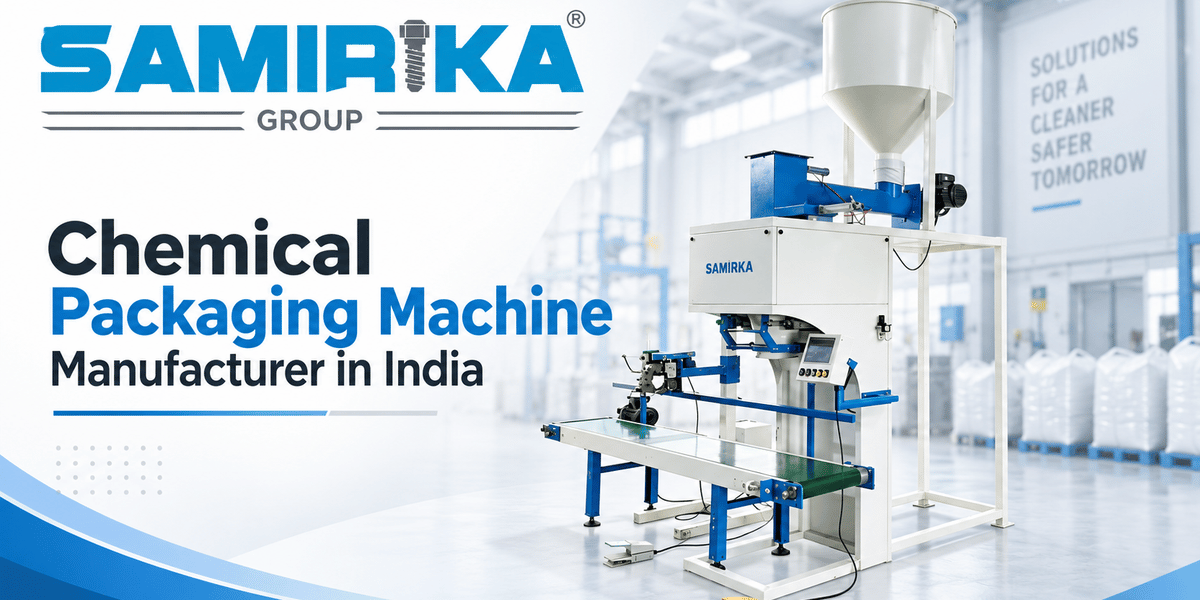
Granules, powders, and pellets of polymers, chemicals, and plastic resins can be precisely weighed and bagged. These systems handle materials that may require specific containment or protection during packaging.
Construction Materials
Products like cement, sand, gravel, and various powdered construction additives can be efficiently packaged using these robust systems, ensuring consistent bag weights for distribution.
Industrial Powders
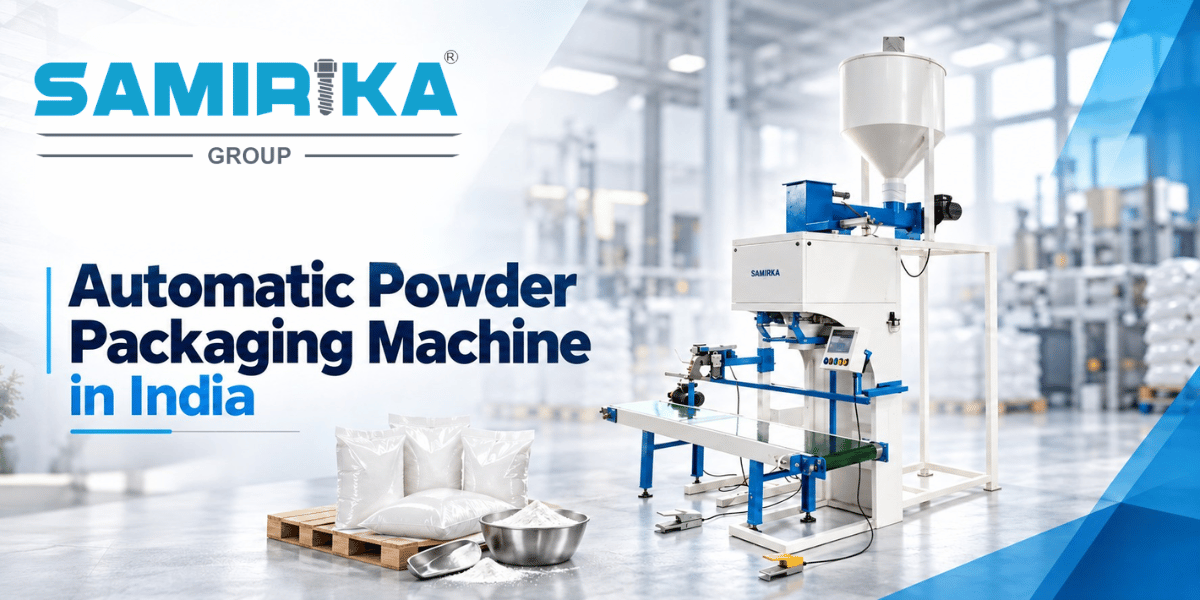
Hygienic powders, such as those used in pharmaceuticals or specialty manufacturing, can be packaged with exceptional accuracy and cleanliness, often requiring specialized designs to prevent contamination.
Tangible Benefits of Automation
Implementing an automatic weighing and bagging system brings significant advantages that directly impact a company's bottom line and operational efficiency.
- Enhanced Accuracy: Microprocessor-controlled weighing ensures precise filling to the target weight, drastically reducing overfills and underfills, leading to material savings and customer satisfaction.
- Increased Throughput: Automated processes operate at speeds far exceeding manual labor, enabling higher production volumes and faster order fulfillment.
- Reduced Labor Costs: Automation minimizes the need for manual labor in the weighing and bagging process, reallocating human resources to more value-added tasks and reducing overall operational expenses.
- Improved Safety: By reducing manual handling of materials and repetitive tasks, these systems contribute to a safer working environment, minimizing the risk of workplace injuries.
- Consistent Packaging Quality: Automated systems ensure uniform bag filling, sealing, and presentation, leading to a more professional and standardized product appearance on shelves.
- Material Savings: Precise weighing eliminates product giveaway, ensuring that only the specified amount of material is packaged, conserving valuable resources.
Choosing the Right System: A Buyer's Guide
Selecting the appropriate automatic weighing and bagging system requires careful consideration of several factors to ensure it meets your specific operational needs and product characteristics.
Buyer Insight:
Understanding your material's flow characteristics (e.g., free-flowing, dusty, sticky, granular) is crucial. This dictates the type of feeding mechanism and weighing technology best suited for optimal accuracy and minimal bridging or clogging.
Key Considerations for Selection:
- Product Characteristics: The nature of the material (powder, granule, pellet, flake) and its flow properties will influence the feeder and weigh filler design.
- Bag Type and Size: The system must be compatible with the types of bags you use (e.g., paper, plastic, woven polypropylene) and their dimensions, including open-mouth bags, valve bags, or jumbo bags (FIBCs).
- Weighing Accuracy Requirements: Different applications demand varying levels of precision. Determine the acceptable tolerance for weight variance.
- Throughput Needs: Calculate the number of bags per minute or hour required to meet production targets.
- Level of Automation: Decide on the extent of automation desired, from simple bag filling to fully integrated systems that include bag closing and palletizing.
- Environmental Conditions: Consider if the system needs to operate in dusty, corrosive, or humid environments, requiring specific material construction or protective features.
Samirika Industries: Your Partner in Packaging Automation
Samirika Industries Pvt. Ltd. offers a comprehensive suite of material handling systems, with a particular expertise in fully automatic microprocessor-based weighing and bagging solutions. Their commitment to automation ensures that clients receive systems designed for precision, efficiency, and reliability. Whether you are packaging agricultural products, polymers, chemicals, or food items, Samirika Industries provides integrated solutions that can streamline your operations.
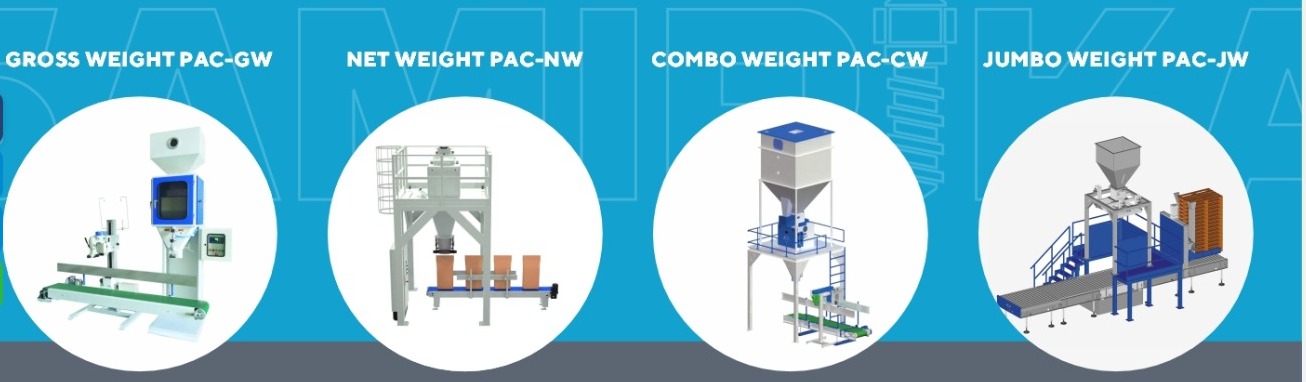
Their product portfolio extends to other essential packaging and material handling equipment, including polymer packaging machines, jumbo bag packing machines, agro and food packaging machines, fertilizer packaging machines, vacuum loaders, conveying systems, and bag closing machines. This broad range allows Samirika Industries to offer complete, end-to-end solutions tailored to the unique demands of various industrial sectors. They are equipped to provide robust systems that meet the challenges of modern manufacturing and distribution environments, enhancing operational performance and product integrity.
Frequently Asked Questions
What types of materials can be weighed and bagged by these systems?
Automatic weighing and bagging systems can handle a wide variety of materials, including granular products, powders, pellets, flakes, and semi-liquids. Specific designs cater to free-flowing materials, dusty substances, sticky products, and even some fragile items, ensuring compatibility across diverse applications.
How do these systems ensure weighing accuracy?
Accuracy is achieved through the use of high-precision load cells and sophisticated microprocessor controllers. These components constantly monitor the weight of the material in the weigh hopper and automatically stop the filling process once the pre-set target weight is reached, minimizing deviations.
Can these systems handle different bag sizes and types?
Yes, most automatic weighing and bagging systems are designed to be adaptable. They can often accommodate a range of bag sizes and types, including open-mouth paper, plastic, or woven bags, and sometimes specialized formats like valve bags or FIBCs (Jumbo bags), depending on the system's configuration.
What is the typical increase in efficiency when using an automatic system?
The increase in efficiency can be substantial, often doubling or tripling manual packaging rates, depending on the product and the specific system. Automation significantly reduces manual touchpoints, speeds up the filling cycle, and ensures continuous operation, leading to higher overall throughput.
Ready to Optimize Your Packaging Process?
Explore how Samirika Industries' advanced automatic weighing and bagging systems can revolutionize your production line. Contact us to discuss your specific material handling and packaging requirements and discover a tailored solution for enhanced efficiency and accuracy.
Learn More About Samirika's Solutions