Automatic Food Packaging Machine Manufacturer
Samirika Industries designs and manufactures automatic food packaging machines in Ahmedabad. Explore advanced solutions for efficiency, hygiene, and reliable fo
Why This Matters in Ahmedabad, Gujarat
Gujarat stands as a significant hub for India's food processing sector, encompassing a diverse range of agricultural produce, dairy products, snacks, and ready-to-eat meals. Ahmedabad, as a major industrial and commercial center within the state, plays a pivotal role in this ecosystem. The demand for packaged food products continues to rise, driven by urbanization and changing consumer lifestyles. This growth necessitates robust, high-speed packaging solutions that can handle various food types while adhering to strict quality and safety norms. Local manufacturers require efficient machinery to scale operations, reduce labor costs, and enhance their market reach, both domestically and for export.
What Is an Automatic Food Packaging Machine — Overview
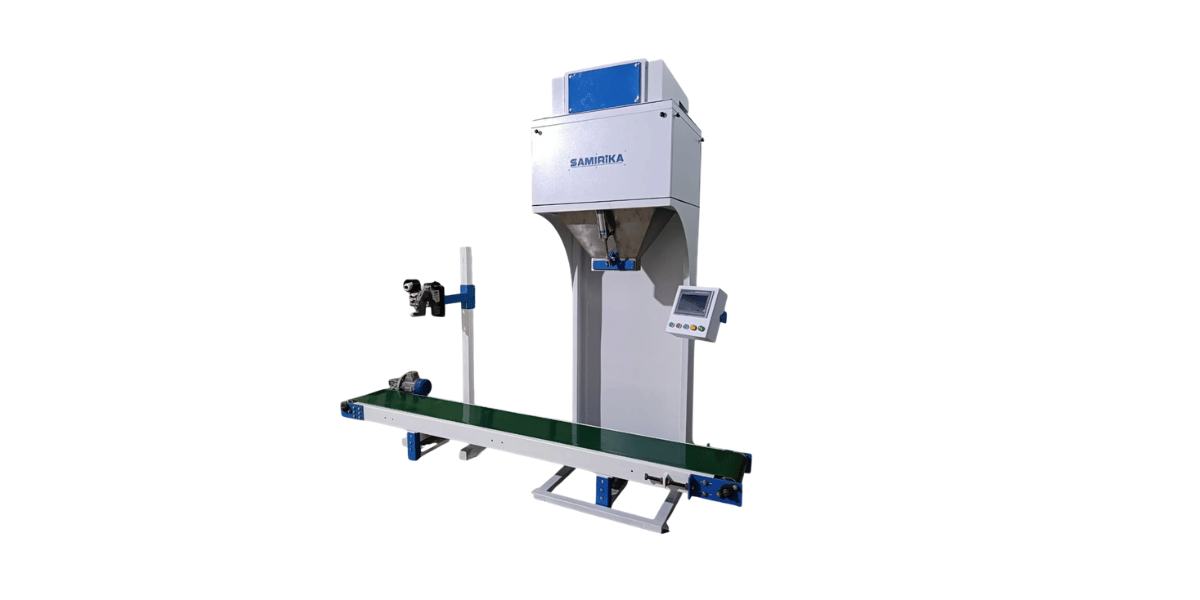
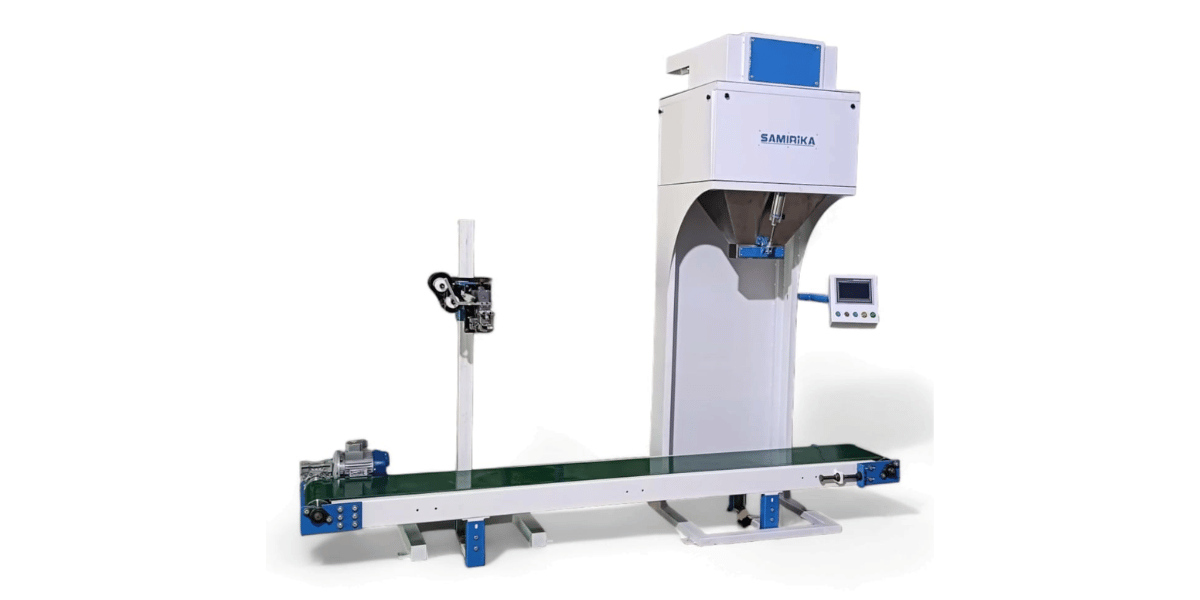
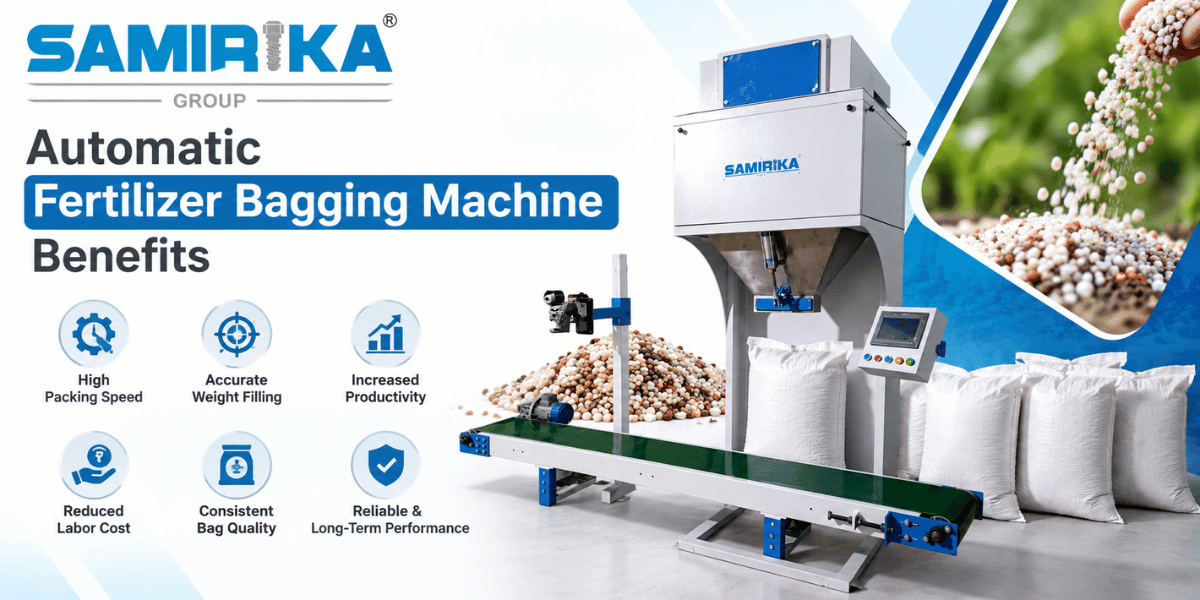
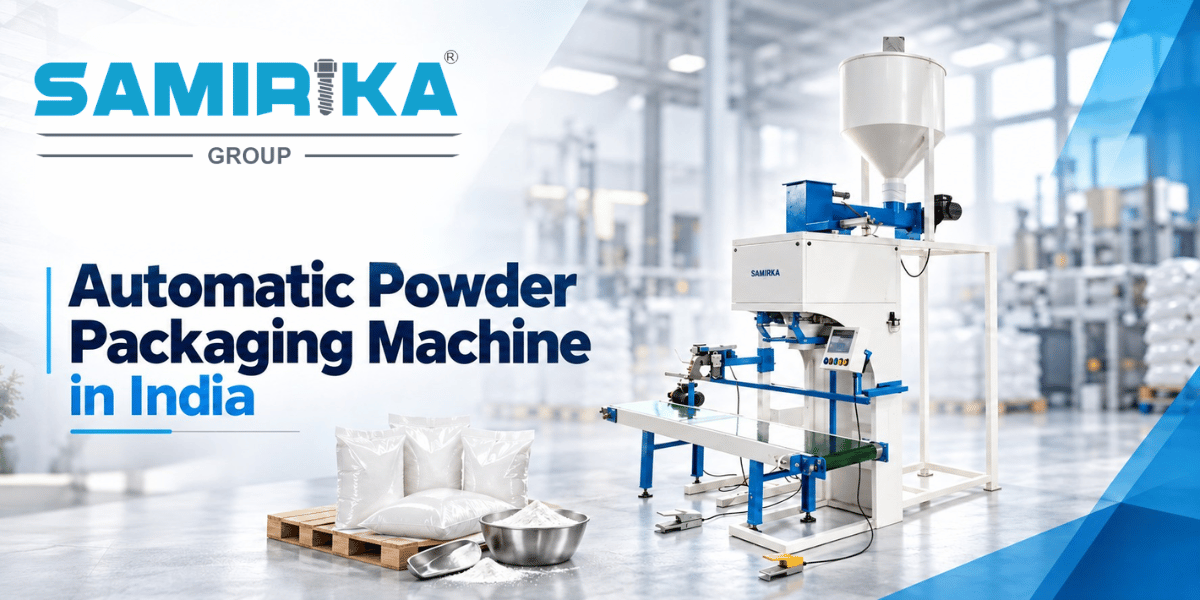
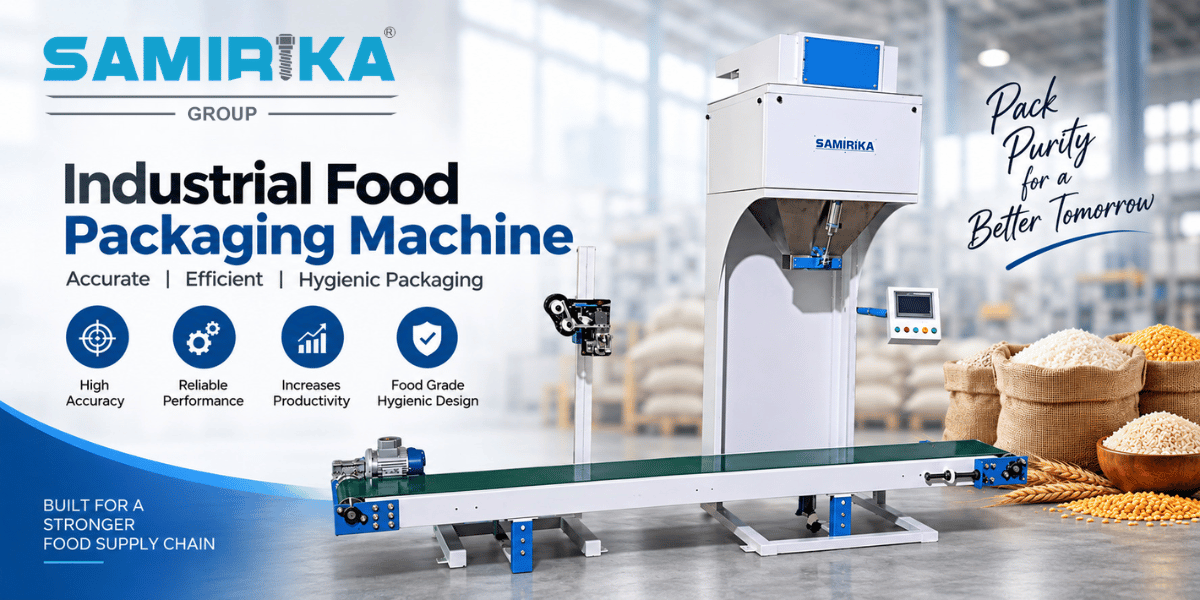
An automatic food packaging machine is an integrated system designed to automate the entire packaging process for food products. These machines typically handle tasks such as product feeding, accurate weighing or volumetric filling, bag forming, sealing, and sometimes labeling or coding. They are engineered to work with various packaging materials and product consistencies, from granular items like grains and spices to powders, liquids, and delicate snack foods. The core principle involves minimizing human intervention, thereby enhancing speed, consistency, and hygiene. Modern systems often incorporate microprocessor-based controllers to ensure precise operation and adaptability to different product specifications.
Key Features and Technical Specifications
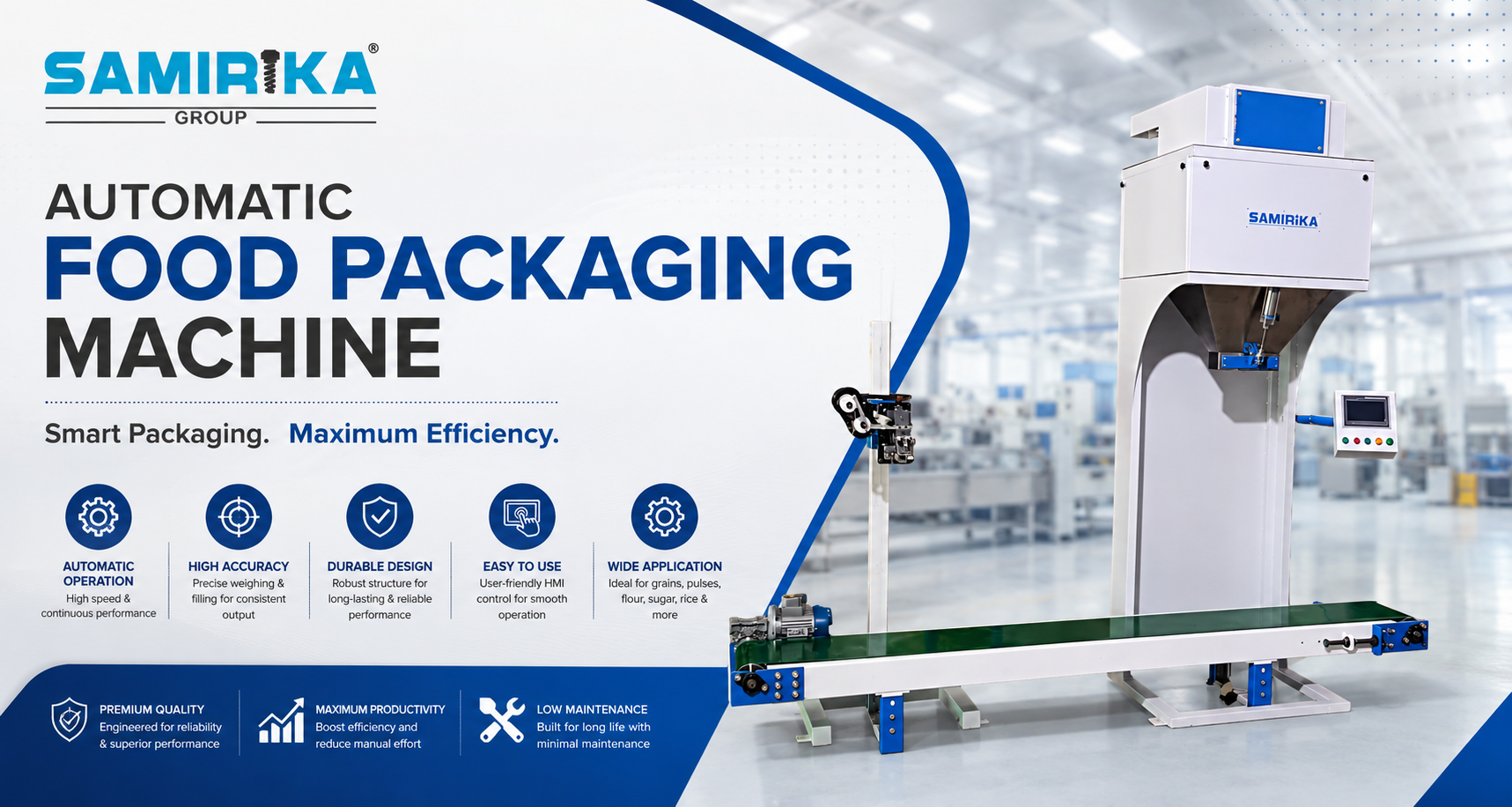
- Microprocessor-Based Controller: Enables precise control over all operational parameters, ensuring accuracy and repeatability.
- High-Precision Weighing and Filling: Utilizes advanced load cells or volumetric systems for accurate product dosing, minimizing giveaway.
- Versatile Bag Forming and Sealing: Capable of producing various bag styles (e.g., pillow, gusseted, stand-up pouches) with strong, consistent seals.
- Integrated Conveying Systems: Seamlessly moves products and finished packages through the machine, optimizing workflow.
- Online Check Weigher with Rejection System: Automatically verifies package weight and removes non-conforming items, ensuring quality control.
- Hygienic Design and Material Compatibility: Constructed with food-grade stainless steel (e.g., SS304) for contact parts, facilitating easy cleaning and preventing contamination.
- User-Friendly Human-Machine Interface (HMI): Intuitive touch-screen controls for easy setup, monitoring, and troubleshooting.
- Robust Construction for Continuous Operation: Engineered for durability and sustained performance in demanding industrial environments.
Industrial Applications and Use Cases
Automatic food packaging machines are versatile and find application across numerous segments of the food industry. Their adaptability allows for efficient handling of diverse product characteristics and packaging requirements.
- Grains and Pulses Packaging: Automates the weighing and bagging of rice, wheat, lentils, and other staple grains.
- Snack Food and Confectionery Packaging: Handles delicate items like chips, biscuits, candies, and nuts with precision and speed.
- Spice and Powder Packaging: Accurately fills and seals bags of ground spices, flour, coffee powder, and other fine particulate products.
- Dairy and Liquid Food Packaging: Manages the filling and sealing of milk, yogurt, juices, and sauces into pouches or containers.
- Frozen Food Packaging: Designed to operate in cold environments, packaging frozen vegetables, fruits, and prepared meals.
- Bakery Products Packaging: Gently packages bread, cakes, cookies, and other baked goods, preserving freshness.
- Ready-to-Eat Meal Packaging: Facilitates the efficient packaging of convenience foods, ensuring hygiene and extended shelf life.
How to Choose the Right Automatic Food Packaging Machine
Selecting an appropriate automatic food packaging machine requires careful consideration of several operational and technical factors. A well-informed decision ensures the machine integrates seamlessly into your production line and meets long-term business objectives.
- Production Capacity and Speed Requirements: Evaluate your current and projected output needs to match the machine's throughput capabilities.
- Product Type and Characteristics: Consider the physical properties of your food product (e.g., granular, powder, liquid, sticky, fragile) as this dictates the appropriate filling and handling mechanisms.
- Packaging Material Compatibility: Ensure the machine can work effectively with your chosen packaging films or pre-formed bags (e.g., laminates, polyethylene, polypropylene).
- Hygiene and Sanitation Standards: Verify that the machine's design and materials comply with food safety regulations, allowing for thorough cleaning and preventing cross-contamination.
- Automation Level and Integration Needs: Determine how the machine will fit into your existing or planned production line, including upstream and downstream equipment.
- Supplier's Experience and Technical Support: Assess the manufacturer's track record, technical expertise, and availability of reliable after-sales service and spare parts.
- Customization Options for Specific Needs: Inquire about the ability to tailor features like bag size, sealing type, or specific product handling components.
- Certifications and Compliance: Confirm that the machine meets relevant industry standards and safety certifications for your region.
Quality Standards and Compliance
Adherence to stringent quality standards and compliance regulations is paramount for any equipment used in food processing. For automatic food packaging machines, this involves several critical areas. Manufacturers should ensure their machines are constructed with food-grade materials, particularly for all contact parts, typically stainless steel (e.g., SS304 or SS316) to prevent corrosion and contamination. Compliance with national food safety regulations, such as those set by FSSAI in India, is non-negotiable. Additionally, international standards like HACCP (Hazard Analysis and Critical Control Points) and ISO 22000 (Food Safety Management Systems) often guide design principles, focusing on hygiene, cleanability, and operational safety. Buyers must verify a supplier's commitment to these standards through documentation, material certifications, and a transparent manufacturing process.
Why Samirika Industries' Experience and Capability Matters
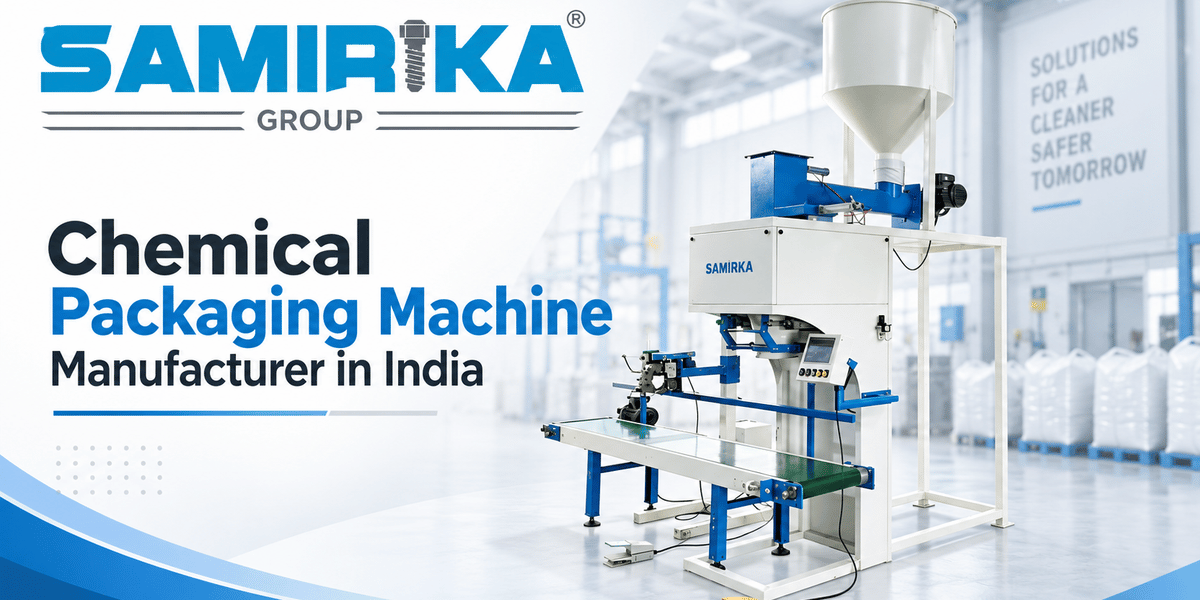
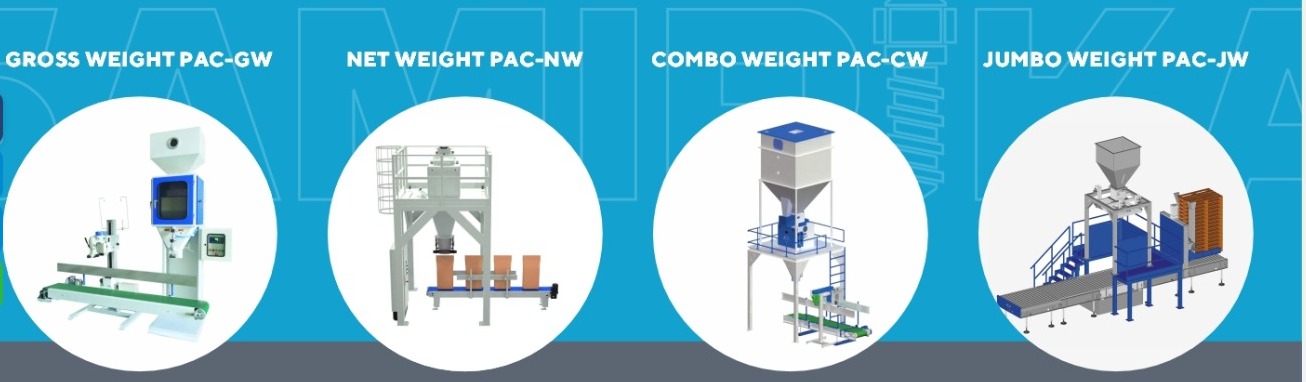
With over 12 years of experience in the material handling and packaging automation sector, Samirika Industries Pvt. Ltd. brings a deep understanding of industrial requirements to the design and manufacture of automatic food packaging machines. Our capability extends beyond individual machines to providing complete, integrated material handling systems, all equipped with necessary automation. We have successfully completed over 89 projects for more than 120 happy customers, demonstrating our commitment to reliable engineering. Our offerings include fully automatic microprocessor-based controller operated weighing and bagging systems, automatic bag placers, bag pushers, belt conveyor systems, sealing machines, stitching machines, turn tables, online check weighers with rejection systems, silos/hoppers, and pneumatic slide gate and divertor valves. This comprehensive expertise ensures that our food packaging solutions are not only efficient but also seamlessly integrate into broader production lines, offering robust performance and long-term operational value from our Ahmedabad facility.
Installation, Maintenance and Care Tips
Proper installation, routine maintenance, and diligent care are crucial for maximizing the lifespan and performance of an automatic food packaging machine. These practices help ensure consistent operation, maintain hygiene standards, and prevent costly downtime.
Installation
Ensure the machine is installed on a level, stable surface in an environment with appropriate temperature and humidity control.
Properly connect all power, pneumatic, and communication lines according to manufacturer specifications.
Calibrate all weighing and filling mechanisms precisely before initial operation to ensure accuracy.
Integrate the machine correctly with upstream and downstream equipment for a smooth production flow.
Maintenance
Regularly clean all contact parts and surfaces with food-safe cleaning agents to prevent product buildup and bacterial growth.
Inspect and lubricate moving parts, such as bearings and chains, according to the manufacturer's schedule.
Check for wear and tear on sealing jaws, cutting blades, and conveyor belts, replacing components as needed.
Periodically verify the calibration of weighing systems and sensors to maintain accuracy.
Care Tips
Train operators thoroughly on machine operation, safety protocols, and basic troubleshooting.
Use only genuine spare parts to ensure compatibility and maintain machine integrity.
Monitor machine performance closely for any unusual noises, vibrations, or inconsistencies in packaging quality.
Maintain a detailed log of all maintenance activities, repairs, and part replacements.
Frequently Asked Questions
Automatic food packaging machines are highly versatile and can handle a wide array of food products. This includes granular items like grains, pulses, and nuts, as well as powders such as spices, flour, and coffee. They are also suitable for snack foods, confectionery, frozen items, and even certain liquid or semi-liquid products like sauces or dairy, depending on the specific machine configuration.
Automation significantly boosts efficiency by increasing packaging speed and consistency, reducing labor requirements, and minimizing product waste. Automated systems perform tasks with greater precision and speed than manual methods, leading to higher throughput and more uniform package quality. This also allows human resources to be reallocated to more complex or supervisory roles.
Hygiene is paramount in food packaging. Key considerations include the use of food-grade materials like stainless steel for all product contact parts, ensuring smooth surfaces for easy cleaning, and designing components to prevent product accumulation. Machines should also be easily accessible for thorough sanitation, and their construction should minimize areas where bacteria could harbor.
Yes, automatic food packaging machines are typically designed for seamless integration into existing production lines. They can connect with upstream equipment like processing machinery and downstream systems such as case packers, palletizers, and stretch wrappers. This modular design allows businesses to upgrade or automate specific parts of their line while maintaining overall operational flow.
Reputable manufacturers usually offer comprehensive after-sales support. This often includes installation assistance, operator training, technical troubleshooting, and a readily available supply of spare parts. Many also provide maintenance contracts or on-call service to ensure minimal downtime and sustained machine performance throughout its operational life.
Customization is highly important, especially for unique food products or specific packaging requirements. A manufacturer capable of customizing features like bag dimensions, sealing types, filling mechanisms, or integration points ensures the machine perfectly aligns with a company's distinct operational needs. This tailored approach optimizes performance and maximizes return on investment.
Conclusion
The adoption of automatic food packaging machines is no longer a luxury but a strategic imperative for food manufacturers aiming for efficiency, hygiene, and sustained growth. These advanced systems provide the precision and speed necessary to meet consumer demand while upholding the stringent quality and safety standards of the food industry. For businesses in Ahmedabad and across Gujarat, selecting a capable and experienced manufacturer is critical. By focusing on factors such as technical specifications, application versatility, and robust after-sales support, companies can secure packaging solutions that deliver consistent performance and long-term value, ensuring their products reach the market in optimal condition.
Get In Touch
Samirika Industries