Get Your Free Quote…!

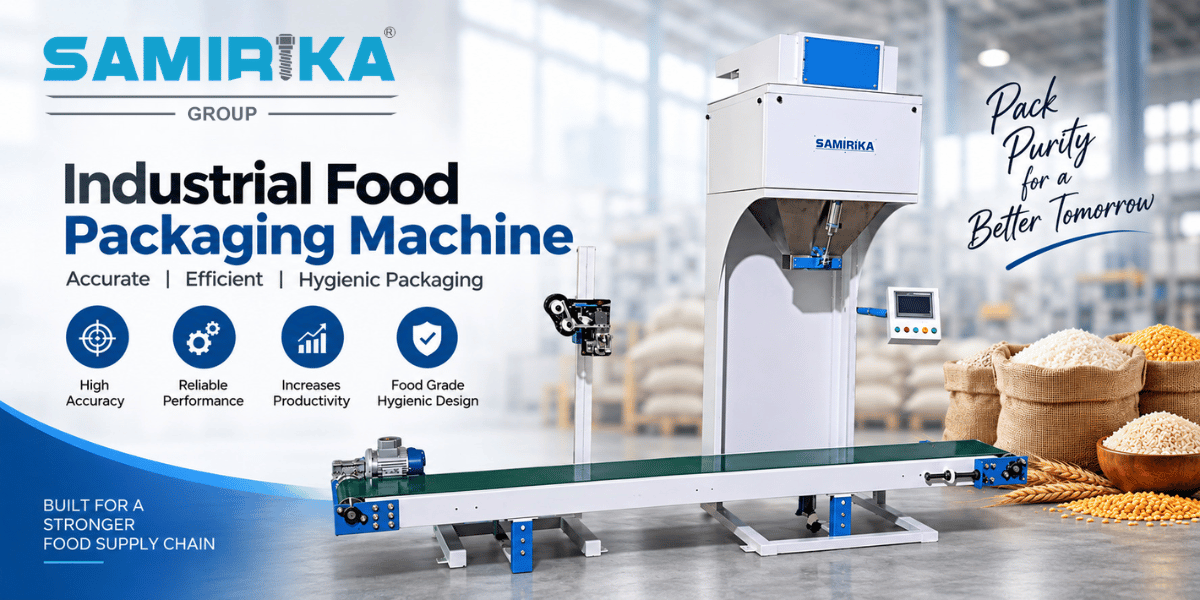
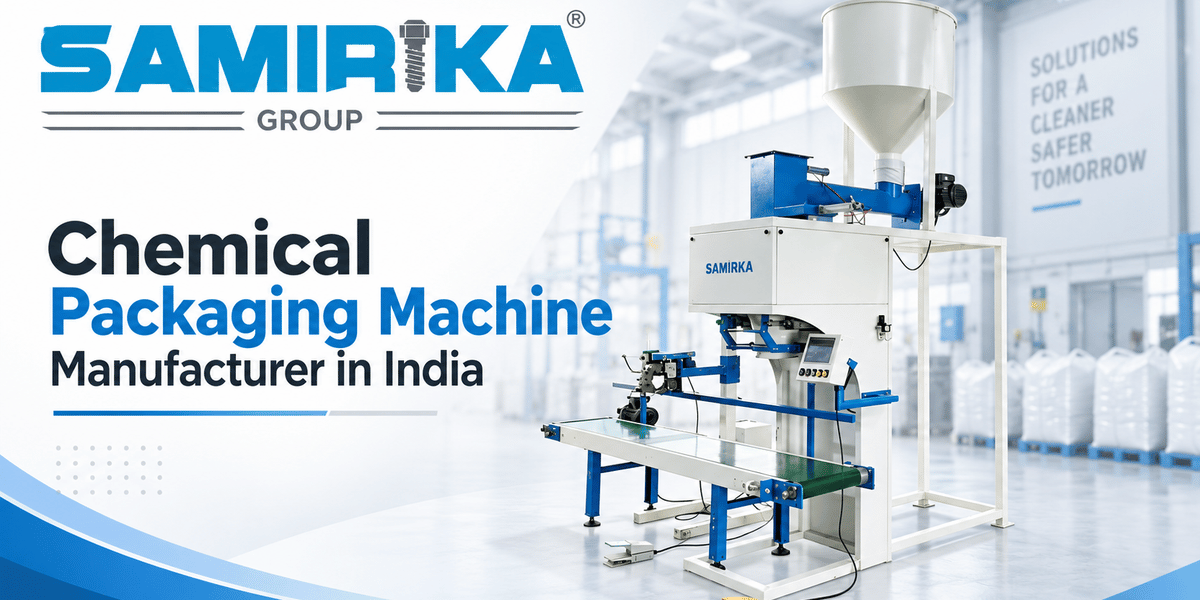
Agro and food packaging machines play an important role in modern food processing, agriculture, and bulk product handling. For businesses working with grains, pulses, spices, snacks, seeds, fertilizers, powdered products, and processed food items, packaging is not only about filling material into bags or pouches. It is also about maintaining accuracy, hygiene, product safety, shelf life, and a smooth production flow.
Samirika Group is associated with industrial packaging and conveying solutions, offering machinery used across agro, food, fertilizer, powder, and material handling applications. As an Agro Food Packaging Machine Manufacturer in Ahmedabad, the company provides packaging systems designed to support efficient feeding, weighing, filling, sealing, labeling, and product handling requirements. These machines help manufacturers improve packaging consistency while reducing manual dependency and operational errors.
Ahmedabad has become a strong industrial hub for packaging machinery due to its active manufacturing base, food processing units, agro product suppliers, spice processors, grain traders, and industrial equipment manufacturers. Businesses in and around Ahmedabad need packaging machines that are easy to operate, durable, hygienic, and suitable for different product types. Agro and food packaging machines are widely used because they support both small-scale and large-scale production environments.
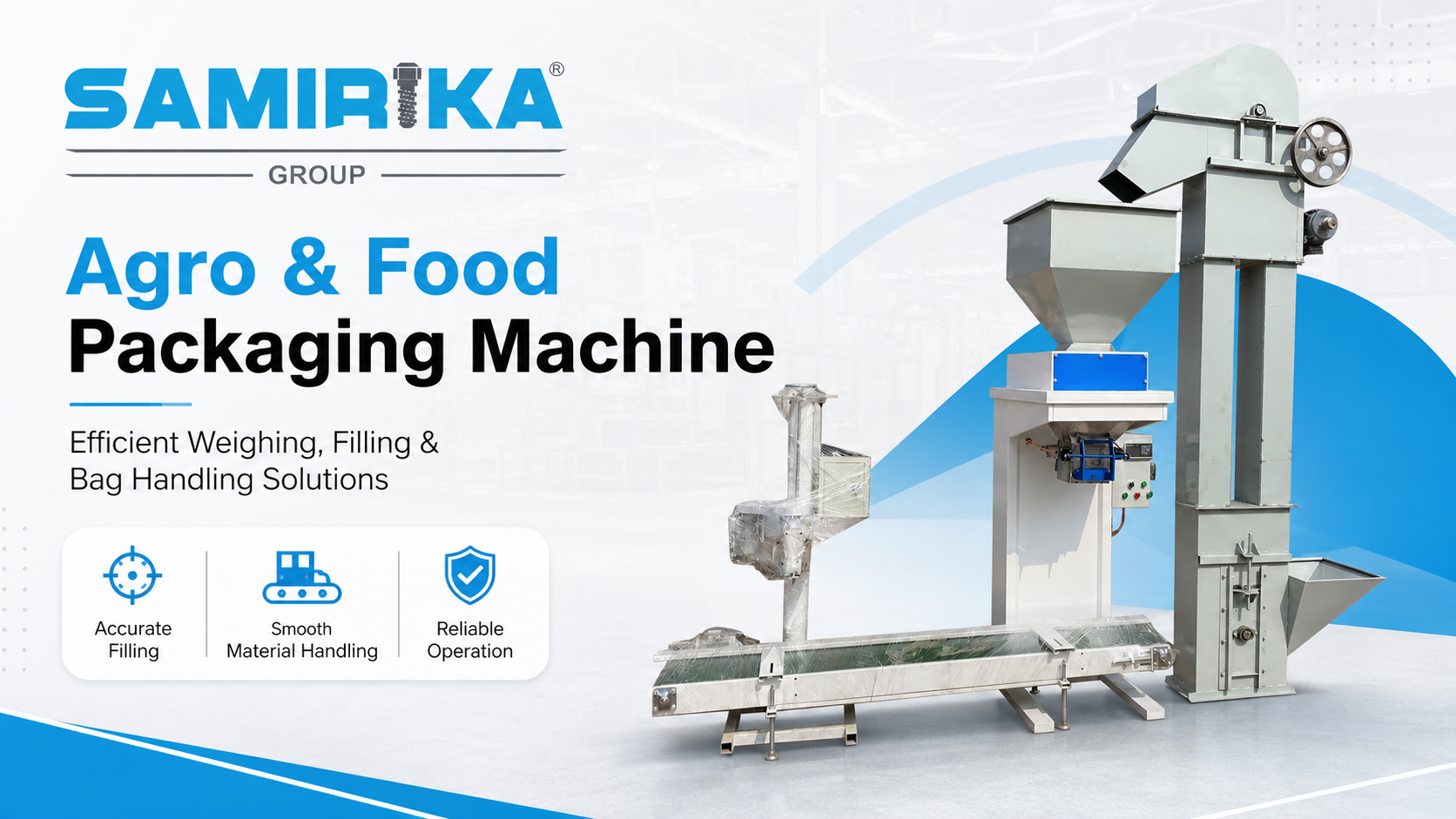
An agro food packaging machine is designed to pack agricultural and food products safely, accurately, and efficiently. These machines can handle a wide range of products such as grains, pulses, flour, spices, seeds, snacks, dry fruits, powdered food products, agro chemicals, and similar materials. Depending on the product type and packaging format, the machine may include feeding systems, weighing units, filling mechanisms, sealing systems, conveyors, printing units, and control panels.
The main purpose of these machines is to maintain uniform filling, reduce product wastage, improve packing speed, and keep packed material protected during storage and transportation. In food-related industries, packaging also supports hygiene, freshness, and quality compliance. A properly designed packaging machine helps maintain product appearance and reduces the chances of contamination.
For agro products, packaging must handle different material flow properties. Grains and pulses may flow freely, while powders often require controlled feeding. Spices need careful handling to avoid dusting and aroma loss. Snacks may require gentle movement to prevent breakage. Because of these variations, an agro food packaging machine should be selected according to the nature of the product, required packing weight, packaging material, and production capacity.
A good agro food packaging machine should be practical, safe, and suitable for long-term industrial use. It must support different packaging formats and handle the product without affecting its quality.
Key features commonly required include:
These features help businesses improve packing efficiency while maintaining product safety, packaging accuracy, and operational reliability.
Agro and food packaging machines are used across many industries where accurate and hygienic packing is required. They are suitable for both raw agricultural products and processed food items.
Common applications include:
The machine configuration may change based on product type, weight range, packaging material, and required output speed.
Packaging is one of the final and most important stages in the production cycle. If packaging is slow or inconsistent, the entire production flow can be affected. Agro food packaging machines help maintain smooth production by reducing manual filling, weighing errors, and repeated handling.
Automation allows businesses to pack more products in less time while maintaining consistent weight and presentation. It also reduces dependency on manual labour for repetitive packaging tasks. This is especially useful for manufacturers handling bulk orders or seasonal demand.
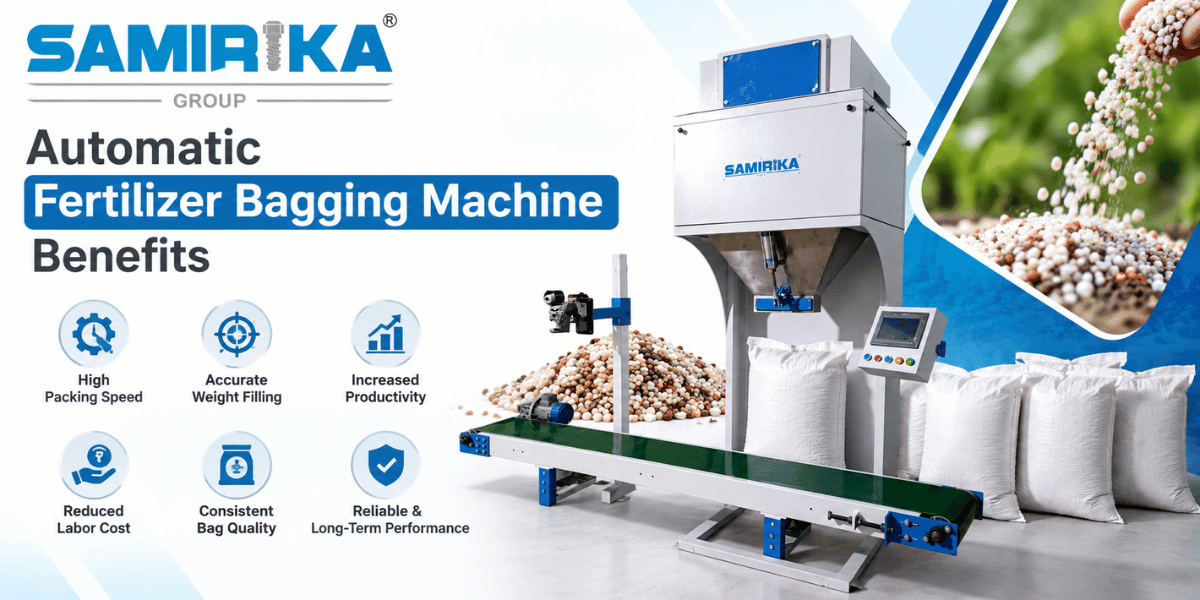
Another major advantage is reduced product loss. Manual handling can lead to spillage, underfilling, overfilling, and contamination risk. With controlled feeding and weighing systems, product movement becomes more organized and measurable. This helps businesses maintain product quality and reduce unnecessary wastage.
For food and agro-based products, hygiene is a major concern. Packaging machinery must be designed to reduce contamination risks and support easy cleaning. Food-safe contact parts, smooth surfaces, controlled product flow, and proper sealing systems help maintain product safety.
A hygienic packaging system also supports quality standards and customer expectations. Products such as spices, flour, snacks, seeds, and grains must be packed in a clean environment because packaging directly affects shelf life and consumer trust. Machines with easy-to-clean structures help operators maintain better daily hygiene.
Safety is equally important for machine operators. Proper guarding, stable machine construction, controlled movement, and clear operating systems help reduce operational risks. Businesses should choose packaging machinery that supports both product safety and operator safety.
Selecting the right machine depends on product type, packaging size, production requirement, and material handling needs. A machine suitable for grains may not be ideal for fine powder. Similarly, a snack packaging line may require gentle handling compared to fertilizer or seed packing.
Before selecting a machine, businesses should evaluate:
A manufacturer with experience in packaging and conveying systems can help suggest suitable machine configurations based on the actual product and application. This helps avoid wrong machine selection and supports better long-term performance.
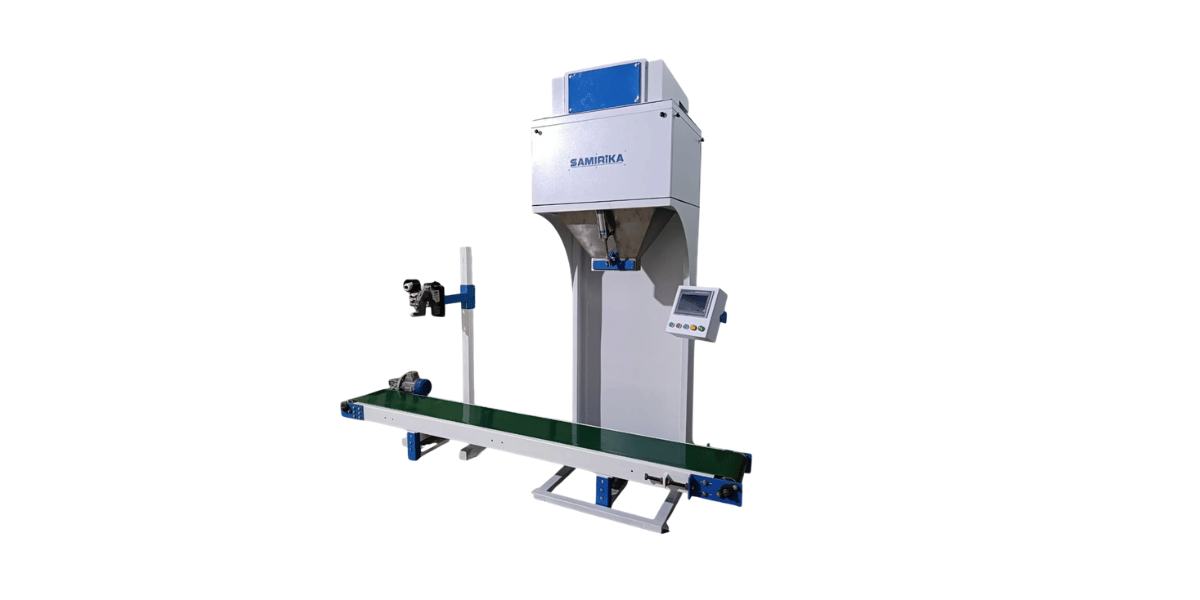
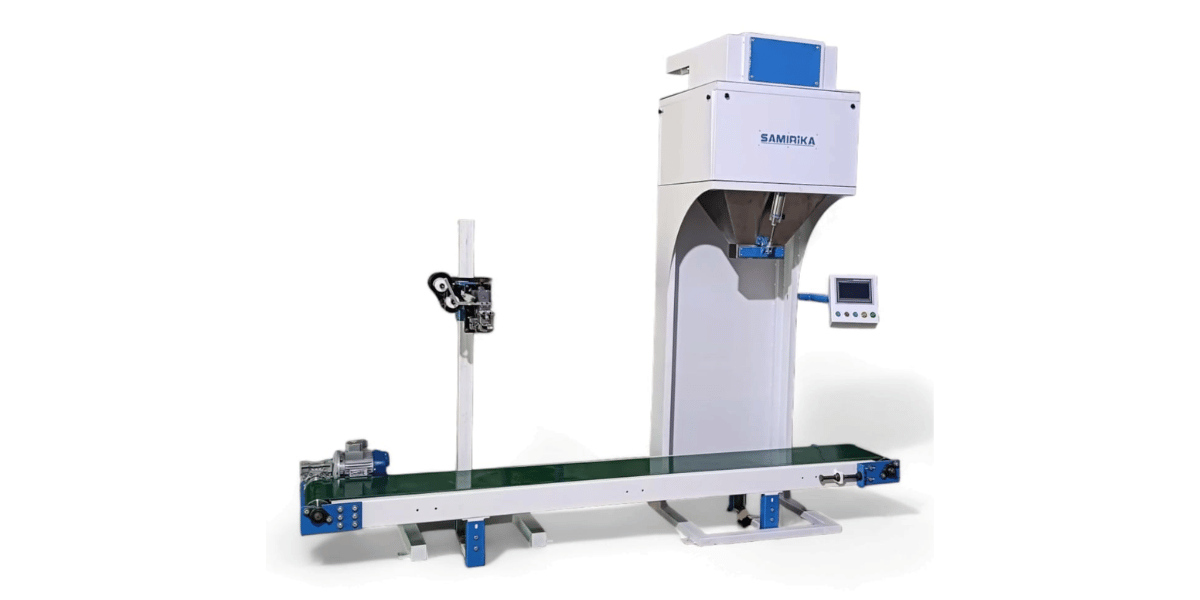
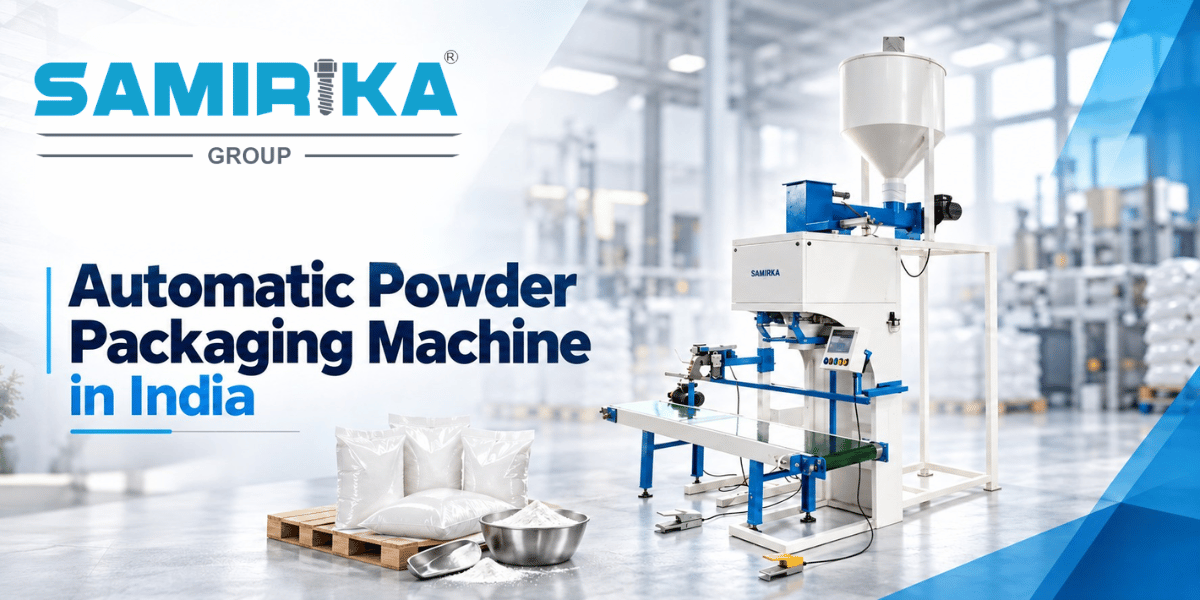
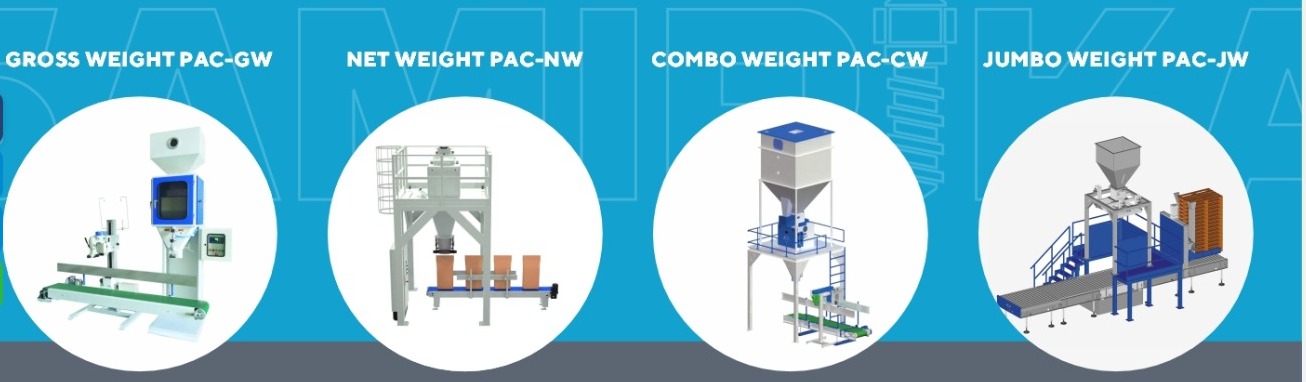
Agro and food packaging systems are built with different functional components depending on the product and application. A well-designed machine usually includes a product feeding system, weighing and filling arrangement, sealing mechanism, and automation controls.
The feeding system moves the product into the packaging unit using conveyors, augers, vibratory feeders, or elevators. The right feeding method depends on whether the material is granular, powdery, free-flowing, fragile, or irregular in shape. For example, grains may require smooth conveyor feeding, while powders may need auger-based controlled feeding.
The weighing and filling system ensures that each bag, pouch, container, or package receives the required quantity. Load cells, volumetric fillers, or dosing mechanisms are used depending on product flow and accuracy requirements. Accurate weighing is especially important in commercial packaging because it supports product consistency and reduces wastage.
The sealing mechanism protects the packed product. Heat sealing, stitching, zip-lock sealing, or other sealing methods may be used according to the packaging material. For food products, proper sealing helps maintain freshness and prevents contamination.
Control and automation systems help operators manage machine settings, production speed, filling quantity, and operating parameters. A user-friendly control panel reduces training time and allows smoother production management.
Agro food packaging machines are essential for businesses that require accurate, hygienic, and efficient packaging of grains, pulses, spices, snacks, seeds, powders, and other agro-based food products. A well-designed machine helps improve filling accuracy, reduce manual handling, protect product quality, and maintain a smooth production flow.
For companies searching for an Agro Food Packaging Machine Manufacturer in Ahmedabad, the right selection should be based on product type, packaging format, required output, hygiene standards, and long-term service support. With proper feeding, weighing, filling, sealing, and automation systems, agro food packaging machines help manufacturers achieve consistent packaging results, reduce operational errors, and improve overall production control.
Filter Using Product Tags