Agro And Food Packaging Machine Supplier
Discover reliable agro and food packaging machine solutions in Ahmedabad, Gujarat. Learn about key features, applications, and how to choose a capable supplier
Why This Matters in Ahmedabad, Gujarat
Gujarat stands as a significant agricultural and industrial state in India, known for its diverse crop production and a rapidly expanding food processing sector. Ahmedabad, as a major economic hub, plays a pivotal role in this ecosystem, hosting numerous manufacturing units, processing plants, and distribution centers. The demand for advanced agro and food packaging machines here is driven by the need to handle large volumes of produce, meet stringent food safety regulations, extend shelf life for domestic and export markets, and optimize labor costs through automation. Local businesses require solutions that are tailored to regional product types and operational scales.
What Is Agro And Food Packaging Machine — Overview
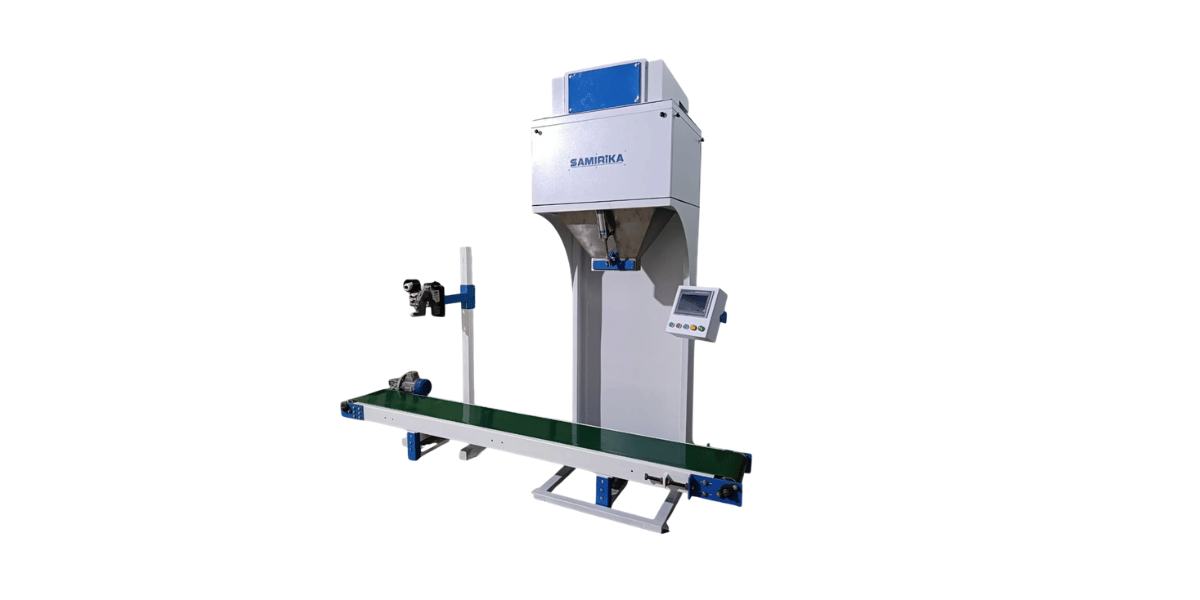
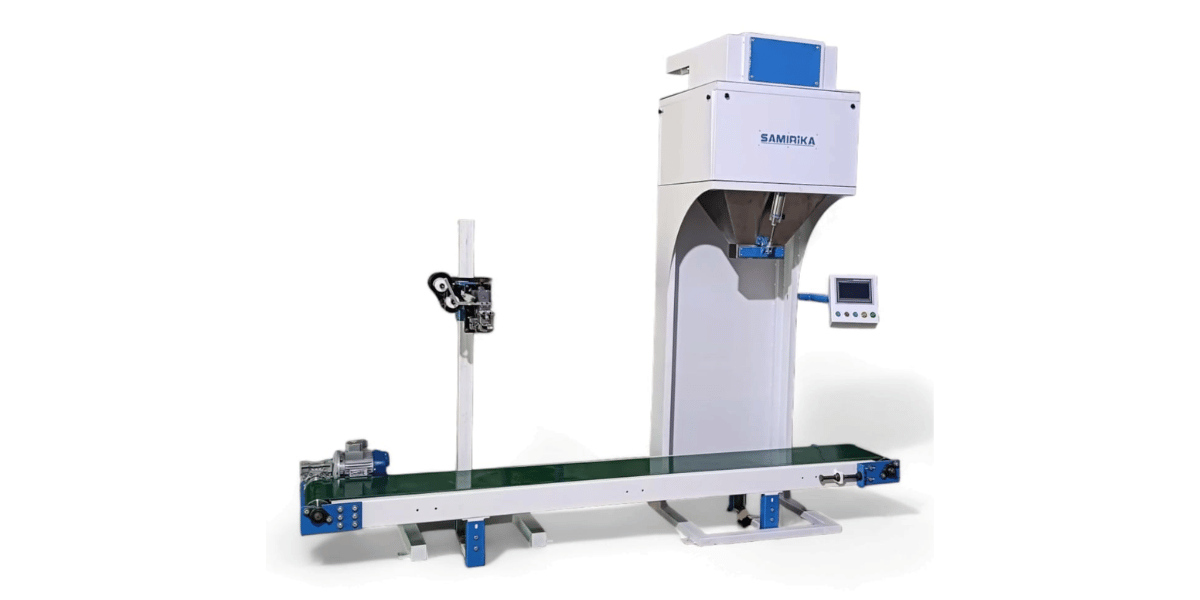
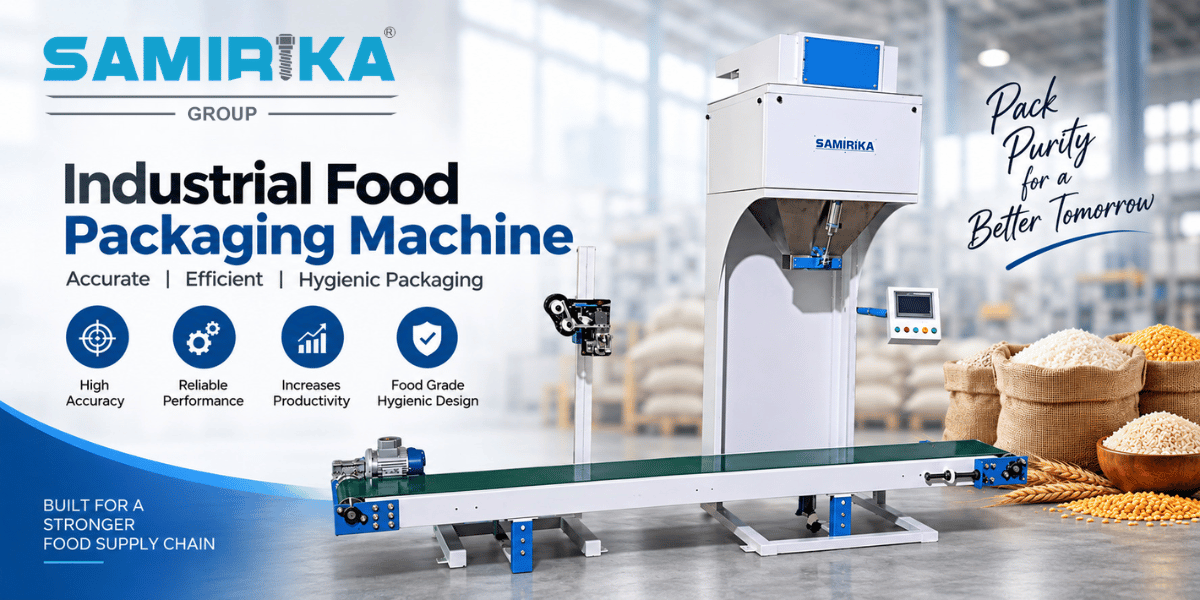
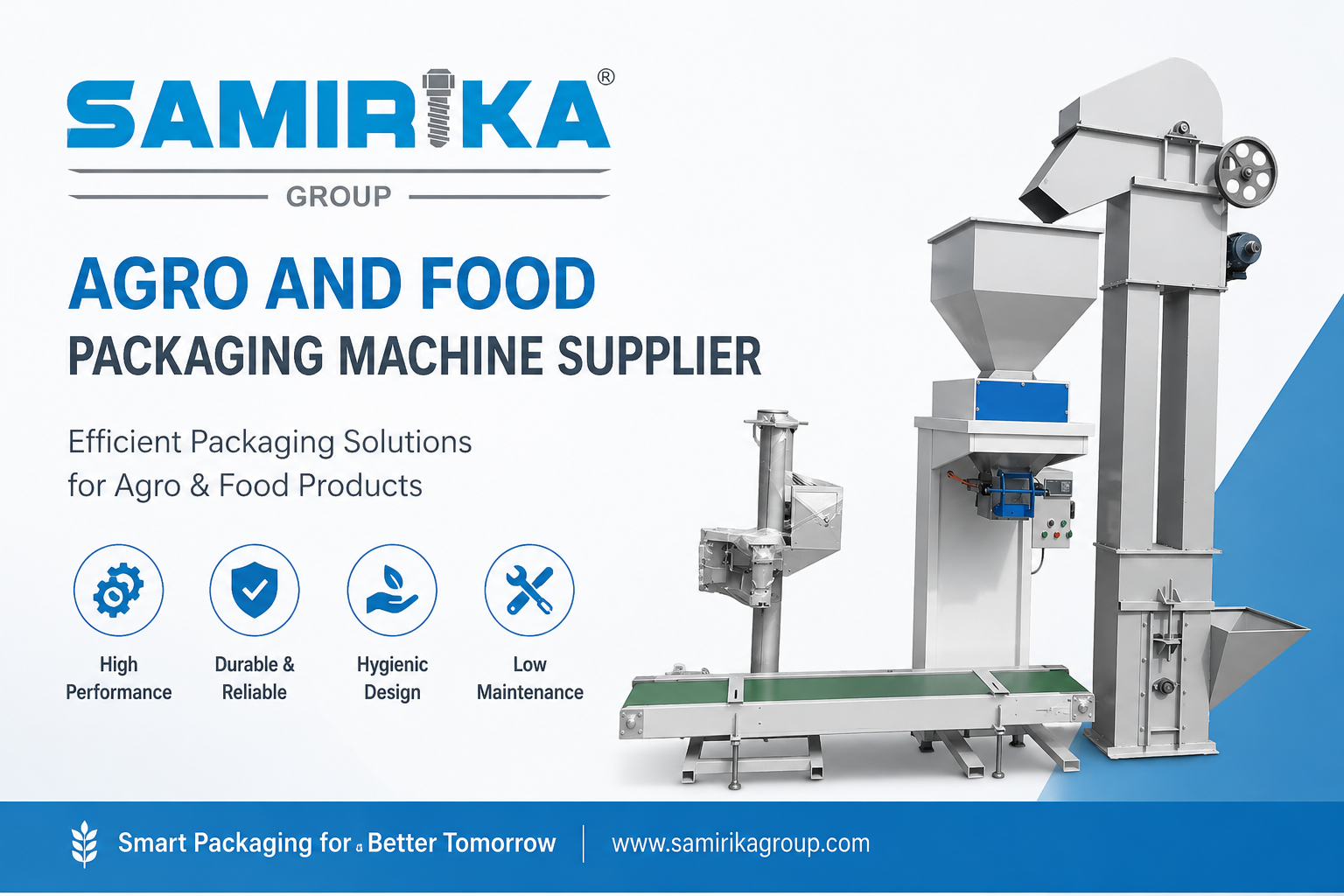
Agro and food packaging machines are specialized industrial systems designed to automate the process of preparing agricultural products and processed foods for storage, transport, and sale. These machines handle various tasks, including weighing, filling, sealing, and labeling, for a wide range of product forms such as grains, powders, granules, and even some semi-liquid items. Their primary function is to ensure product integrity, hygiene, and accurate portioning, which are vital for consumer trust and regulatory compliance. Modern systems often integrate advanced controls for precision and efficiency across the entire packaging line.
Key Features and Technical Specifications
Choosing the right packaging machine involves understanding its core capabilities and technical details. These features ensure the equipment meets specific operational demands and product requirements.
- Microprocessor-Based Control Systems: For precise weighing, filling, and operational sequence management, enhancing accuracy and reducing material waste.
- Food-Grade Construction Materials: Components in contact with products are typically made from stainless steel (SS304/SS316) to ensure hygiene and prevent contamination.
- High-Accuracy Weighing Mechanisms: Load cell-based systems for consistent and precise measurement of product quantities, crucial for compliance and cost control.
- Automated Bag Handling: Features like automatic bag placers, bag openers, and bag pushers to streamline the bagging process and increase throughput.
- Versatile Sealing Options: Includes heat sealing for various film types and industrial stitching machines for woven or multi-ply bags, ensuring secure closure.
- Integrated Conveyor Systems: Belt conveyors and turn tables facilitate smooth product flow through the packaging line, connecting different stages of the process.
- Online Checkweigher with Rejection System: Automatically verifies package weight and removes off-spec items, maintaining quality control without manual intervention.
- User-Friendly Human-Machine Interface (HMI): Intuitive touchscreens for easy operation, parameter adjustment, and real-time monitoring of packaging processes.
Industrial Applications and Use Cases
Agro and food packaging machines are indispensable across a broad spectrum of industries, handling diverse products with varying characteristics. Their adaptability makes them a cornerstone of modern production lines.
- Grain and Pulse Packaging: Efficiently bags rice, wheat, lentils, and other staple grains for wholesale and retail distribution.
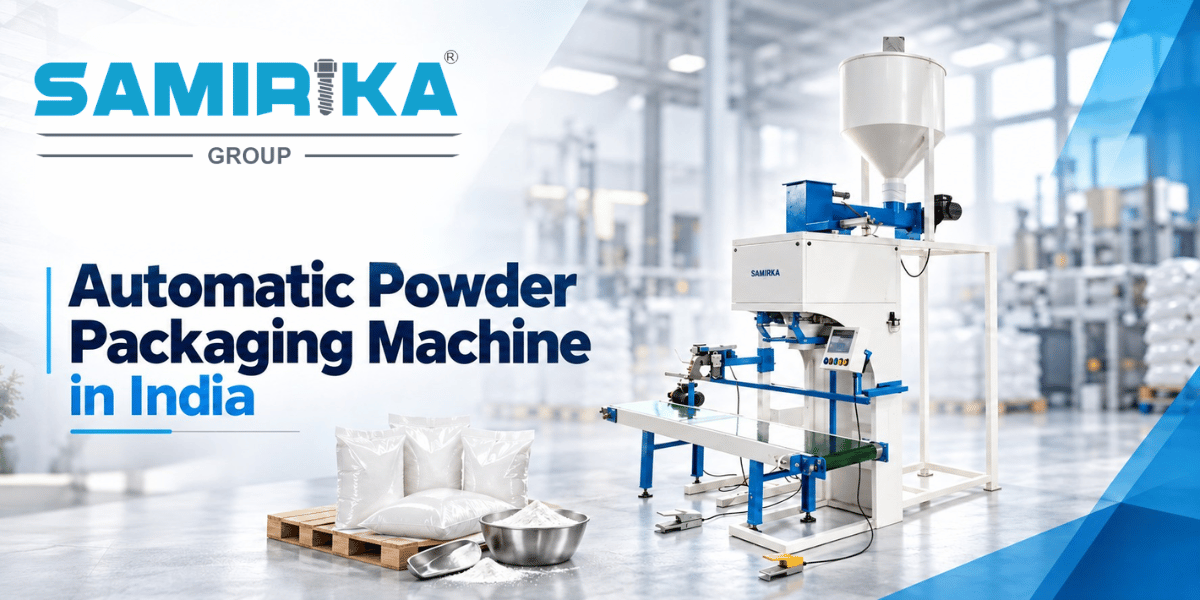
- Spice and Flour Bagging: Handles fine powders and granular spices, ensuring accurate weight and sealed packaging to preserve aroma and freshness.
- Snack Food and Confectionery: Packages items like chips, biscuits, candies, and nuts, often requiring gentle handling and precise portioning.
- Dairy Product Packaging: Used for powdered milk, whey protein, and other dry dairy ingredients, maintaining hygiene and preventing moisture ingress.
- Seed Packaging for Agriculture: Accurately fills and seals bags of various seeds, critical for agricultural businesses and farmers.
- Sugar and Salt Packaging: Manages bulk packaging of crystalline products, ensuring consistency and preventing spillage.
- Animal Feed and Pet Food: Packages various formulations of animal feed, often in larger bag sizes, requiring robust and durable sealing.
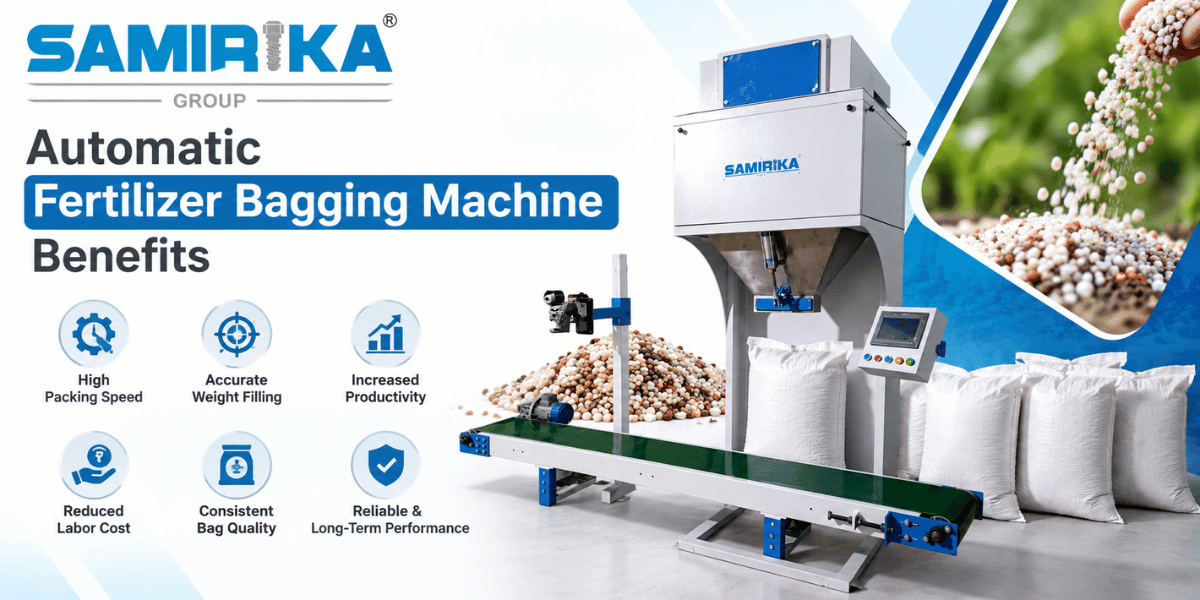
- Fertilizer Packaging: While not food, these machines share similar principles for handling granular materials, ensuring precise weight and durable packaging for agricultural inputs.
How to Choose the Right Agro And Food Packaging Machine
Selecting appropriate packaging machinery is a significant investment that impacts operational efficiency, product quality, and profitability. A systematic approach helps in making an informed decision.
- Assess Production Capacity: Determine your required throughput in bags per hour or tons per day to match machine capacity with your operational scale.
- Product Characteristics: Consider the physical properties of your product (powder, granule, flake, sticky, abrasive) as this dictates the type of feeder and filling mechanism.
- Packaging Material Compatibility: Ensure the machine is compatible with your chosen packaging materials, whether it's woven sacks, laminated films, or paper bags.
- Hygiene and Sanitation Requirements: For food products, verify that the machine's design allows for easy cleaning and meets food-grade material standards (e.g., stainless steel contact parts).
- Level of Automation: Decide on the degree of automation needed, from semi-automatic systems requiring operator intervention to fully automatic lines with minimal human input.
- Integration Capabilities: Evaluate how easily the new machine can integrate with existing upstream (e.g., silos, conveyors) and downstream (e.g., palletizers) equipment.
- Supplier's Technical Support: Look for a supplier who offers comprehensive installation, training, maintenance services, and readily available spare parts.
- Certifications and Compliance: Confirm that the machine and the supplier adhere to relevant industry standards and safety regulations.
- Customization Options: Inquire about the ability to customize the machine for specific bag sizes, product types, or unique operational layouts.
Quality Standards and Compliance
Adherence to quality standards and regulatory compliance is non-negotiable for agro and food packaging machinery, especially given the sensitive nature of the products handled. Buyers must prioritize suppliers who demonstrate a clear commitment to these benchmarks. Key standards include those related to food safety, such as FSSAI guidelines in India, and international norms like ISO 22000 for food safety management systems. Machines should be constructed with food-grade materials, typically stainless steel, in all product contact zones to prevent contamination and facilitate thorough cleaning. Electrical safety standards and environmental regulations also play a crucial role in ensuring safe and sustainable operation. Verifying a supplier's certifications and their manufacturing processes is an essential step in due diligence.
Why Company Experience and Capability Matters
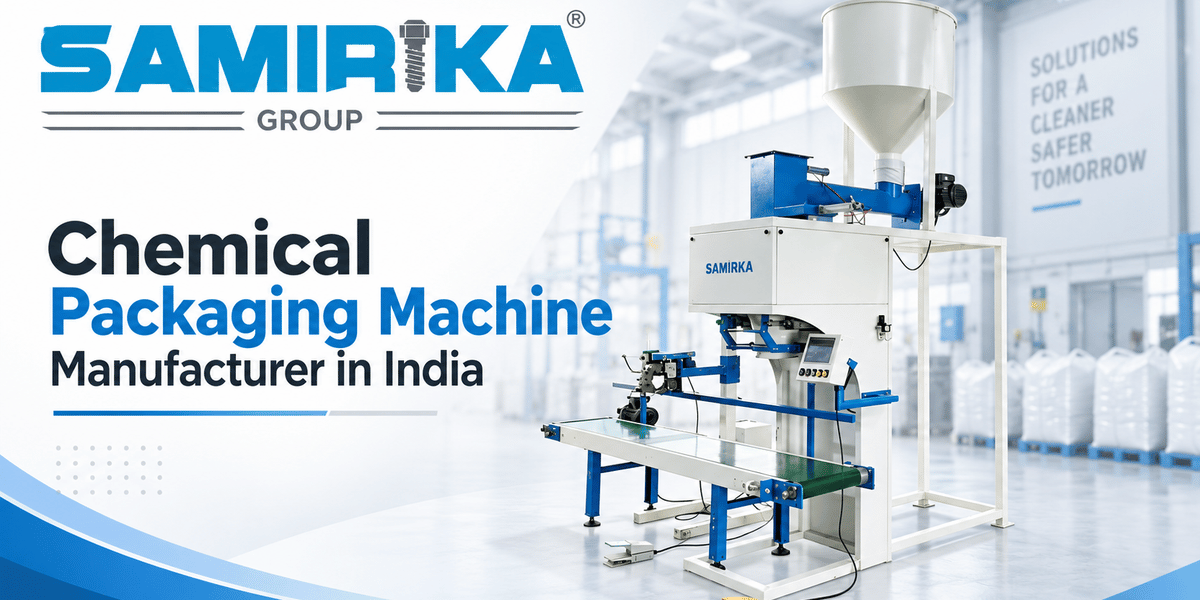
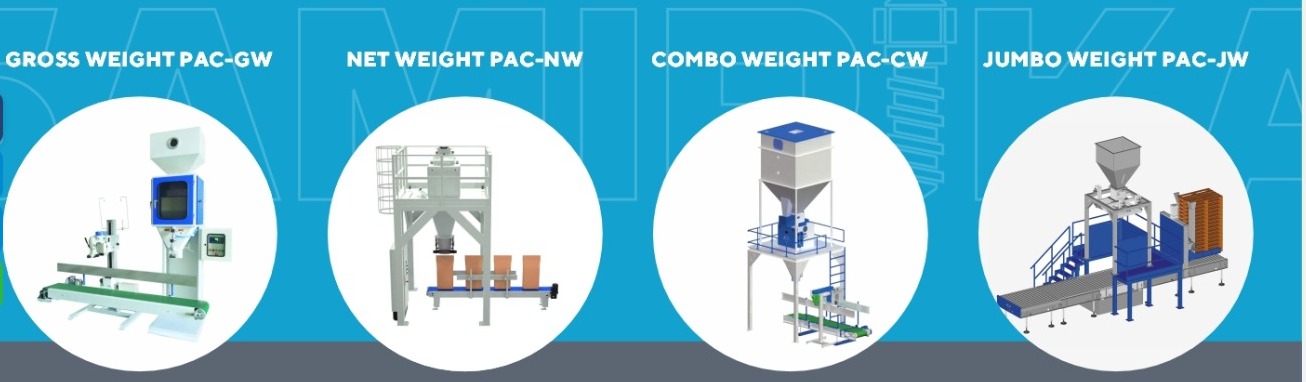
When investing in critical production equipment like agro and food packaging machines, the experience and capability of the supplier are paramount. A company with a proven track record understands the nuances of various product types and operational challenges. Samirika Industries, with over 12 years of experience in material handling systems, offers a comprehensive range of solutions equipped with necessary automation. Their expertise extends to fully automatic microprocessor-based controller operated automatic weighing and bagging systems, polymer packaging machines, and jumbo packing machines. They also provide automatic bag placers, bag pushers, belt conveyor systems, sealing machines, stitching machines, turn tables, online check weigher with rejection systems, sand truck loaders, silos/hoppers, and pneumatic slide gate and diverter valves. This breadth of offerings reflects a deep understanding of industrial requirements, from precision weighing to integrated material flow. A capable supplier ensures robust manufacturing processes, stringent quality control, and the technical team to provide effective after-sales support and customization, ensuring the machinery performs reliably over its lifespan.
Installation, Maintenance and Care Tips
Proper installation and consistent maintenance are crucial for maximizing the lifespan and efficiency of agro and food packaging machines. Following best practices can prevent costly downtime and ensure product integrity.
- Professional Installation: Always engage qualified technicians for initial setup and calibration to ensure the machine operates according to specifications.
- Site Preparation: Ensure the installation area has a stable, level foundation, adequate power supply, and sufficient space for operation and maintenance access.
- Regular Cleaning: Implement a strict cleaning schedule, especially for product contact parts, using food-grade cleaning agents to prevent contamination and buildup.
- Preventive Maintenance: Follow the manufacturer's recommended maintenance schedule for lubrication, inspection of wear parts, and calibration of sensors and weighing systems.
- Operator Training: Ensure all operators are thoroughly trained on the machine's functions, safety protocols, and basic troubleshooting procedures.
- Spare Parts Inventory: Keep essential spare parts on hand to minimize downtime in case of component failure.
- Environmental Control: Maintain appropriate temperature and humidity levels in the operating environment to protect electronic components and product quality.
Frequently Asked Questions
Agro and food packaging machines are versatile, designed to handle a wide array of products. This includes granular items like rice, pulses, and sugar, powdered goods such as flour and spices, and even some semi-liquid or sticky materials. They are commonly used for packaging seeds, animal feed, snack foods, and various processed food ingredients, adapting to different product characteristics through specialized feeding and filling mechanisms.
Automation significantly boosts packaging efficiency by reducing manual labor, increasing operational speed, and enhancing accuracy. Automated systems can perform tasks like weighing, filling, sealing, and conveying much faster and more consistently than human operators. This leads to higher throughput, lower operational costs, and a reduction in product giveaway due to precise portioning, ultimately optimizing the entire packaging process.
Hygiene is paramount for food packaging machinery to prevent contamination and ensure food safety. Key considerations include the use of food-grade materials like stainless steel for all product contact parts, designs that allow for easy and thorough cleaning, and features that minimize product accumulation. Regular sanitation protocols, proper sealing to prevent external contamination, and adherence to HACCP or ISO 22000 standards are also vital.
Many agro and food packaging machine suppliers offer customization options to meet unique operational requirements. This can include adapting the machine for specific bag sizes, integrating with existing production lines, handling unusual product characteristics, or incorporating specialized features like gas flushing for extended shelf life. Discussing specific needs with a supplier early in the selection process helps ensure the final solution is precisely tailored.
Comprehensive after-sales support is crucial for the long-term performance of packaging machinery. This typically includes professional installation and commissioning, operator training programs, and readily available technical assistance for troubleshooting. Access to genuine spare parts and scheduled preventive maintenance services are also vital to ensure minimal downtime and sustained operational efficiency throughout the machine's lifecycle.
Ensuring accuracy in weighing and bagging relies on several factors. Utilizing machines equipped with high-precision load cells and microprocessor-based control systems is fundamental. Regular calibration of the weighing system by qualified technicians is essential to maintain accuracy over time. Additionally, selecting the correct feeding mechanism for your product type and conducting periodic checks of filled bag weights helps to verify consistent and precise portioning.
Conclusion
The selection of an appropriate agro and food packaging machine supplier is a foundational decision for any business in Ahmedabad, Gujarat, aiming for efficiency, product integrity, and market growth. Understanding the technical features, industrial applications, and critical selection criteria ensures that your investment yields long-term benefits. Partnering with a supplier that demonstrates extensive experience, robust manufacturing capabilities, and a commitment to quality and support is key. Such a collaboration ensures not only the acquisition of reliable machinery but also a sustained operational advantage in a competitive market.
Get In Touch
Samirika Industries